 Sarasota Window
 Downtown Sarasota Asks More of Its Siding Than Most Neighborhoods
Downtown Sarasota is a dense, walkable mix of older bungalows, mid-century homes, and newer infill construction packed close to Sarasota Bay. That proximity to open water is part of what makes the neighborhood desirable, and it's also exactly why exterior siding here takes a beating that homes ten or fifteen miles inland simply don't experience in the same way. Salt-laden air moves off the bay and settles on exterior walls almost daily, the sun sits nearly overhead for most of the year, and when a tropical system tracks anywhere near the Gulf coast, downtown lots with fewer mature windbreaks and tighter setbacks catch the wind and rain with less to slow it down.
This page is about one thing: fiber cement siding done correctly for Downtown Sarasota homes specifically. Not a general siding overview, and not a citywide pitch — what this particular stretch of Sarasota County needs from its siding, what a correct installation actually involves, and why the crew doing the work matters as much as the material itself.
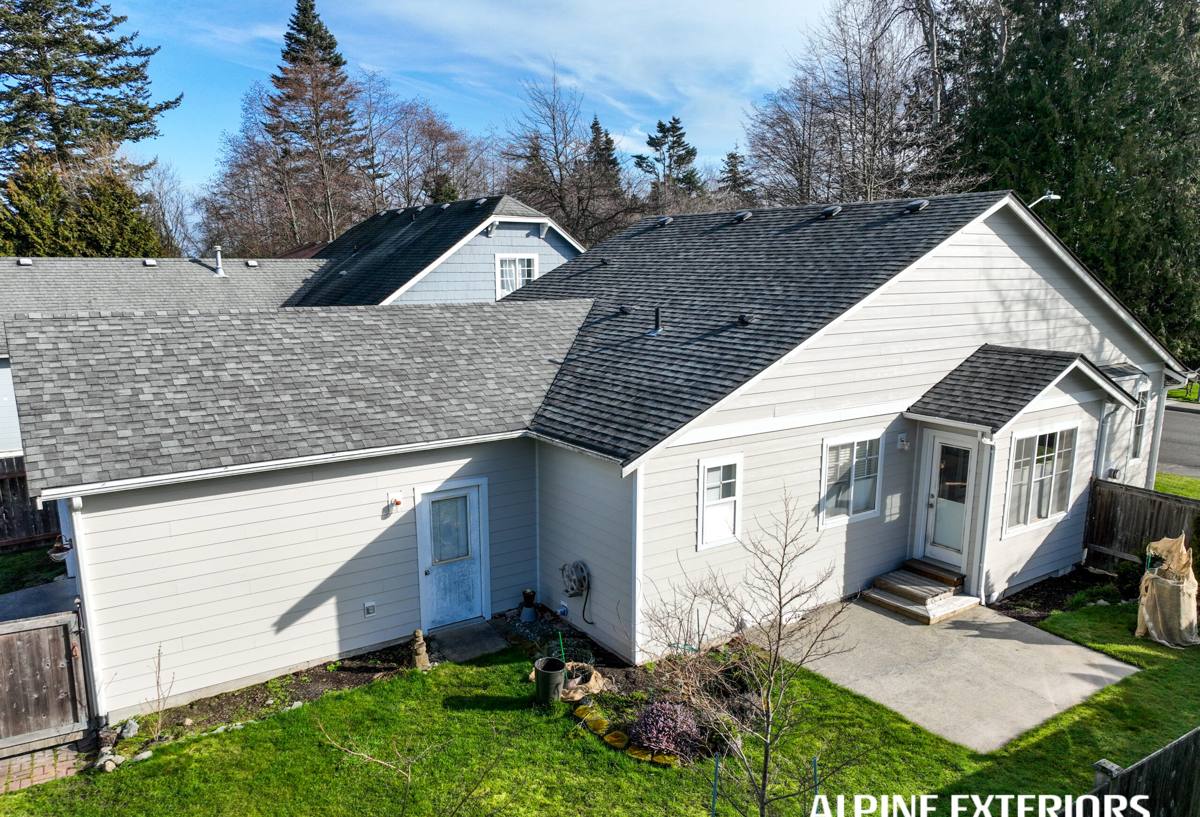
What This Climate Actually Does to Siding Over Time
Salt Air and Humidity
Homes close to the bay deal with a near-constant film of salt-laden moisture in the air. Over years, that salt exposure accelerates corrosion on exposed fasteners, degrades weaker paint films faster than inland exposure would, and speeds up the growth of mildew and algae on any surface that holds moisture against it. Siding that isn't built to shed that kind of exposure starts showing its age early — chalking, staining, and fastener bleed-through are common complaints on older Downtown Sarasota homes.
UV and Sun Exposure
Florida sun is intense and consistent nearly all year, not just in summer. UV breaks down pigments and resins in lower-grade finishes, which is why field-painted or poorly finished siding on south- and west-facing walls tends to fade unevenly and chalk well before a homeowner expects to be repainting. A finish that isn't engineered for sustained UV exposure simply doesn't hold its color as long here as it would in a milder climate.
Wind-Driven Rain
Rain in this region rarely falls straight down. Gulf-fed storms push rain sideways into walls, and that changes what "waterproof siding" actually means — the water resistance has to come from correct flashing, lapping, and a functioning drainage plane behind the siding, not just from the surface material itself. Siding systems that rely on tight seams and caulk alone to keep water out tend to fail quietly, with the damage showing up behind the wall long before it's visible on the surface.
Hurricane-Force Wind Loads
Sarasota County sits in a wind zone that requires exterior materials and fastening schedules to be rated for real storm loads, and Downtown Sarasota's older housing stock means a lot of homes were originally sided decades before those standards existed. Fiber cement holds up well under wind load when it's fastened correctly, but "correctly" is doing a lot of work in that sentence — fastener spacing, type, and embedment all matter more here than they would in a low-wind region.
Why We Install Only James Hardie Fiber Cement Siding
We made the decision to install James Hardie fiber cement exclusively, and we don't install vinyl, LP SmartSide, Cemplank, Allura, primed spruce, or cedar. That's not a marketing position — it's a standard built around what actually holds up on Sarasota County exteriors year after year. James Hardie engineers specific product lines for different climate exposures, including an HZ10 line built for the wind, humidity, and moisture cycling that hot, coastal climates like ours produce. The board itself is dense, cement-based, and dimensionally stable, so it doesn't expand, contract, warp, or rot the way wood-based or vinyl products can when they're exposed to constant heat and humidity swings.
Most of what we install carries Hardie's ColorPlus finish — a factory-baked, climate-controlled coating that resists fading and chipping far better than field-applied paint can, backed by its own finish warranty separate from the substrate warranty on the board. Fiber cement is also non-combustible, which is a real consideration for wind-driven wildfire embers during dry stretches and matters to some insurers as well. None of this means other products are without merit — it means that after years of siding work in this climate, this is the system we're comfortable standing behind.
What a Correct Fiber Cement Siding Installation Involves
Water Management Behind the Siding
No siding material, including fiber cement, is a substitute for correct water management underneath it. A proper installation starts with an intact water-resistive barrier, correctly lapped and taped, with flashing installed at every window, door, and penetration so water that does get past the surface has a clear path down and out rather than a place to collect. This is the step that's invisible once the siding goes up, and it's also the step that determines whether a home stays dry through the next decade of storms.
Fastening and Clearances
James Hardie publishes exact fastener types, spacing, and embedment requirements, and in a high-wind coastal zone those specifications aren't optional details — they're what keeps the siding on the wall in a real storm. Correct clearance from grade, roof lines, and decks also matters here more than in drier climates, since standing water and splash-back at ground level accelerate moisture problems faster in humid conditions.
Finish and Sealant Details
Butt joints, corners, and trim transitions need to be sealed with a sealant rated for exterior, high-UV use, and any field-cut edges need to be primed and sealed before they're exposed to weather. Skipping this step is one of the most common causes of early finish failure we see on fiber cement siding that wasn't installed to spec — the board itself is sound, but an unsealed cut edge gives moisture a way in.
Choosing the Right Hardie Product for a Downtown Sarasota Home
Downtown Sarasota's mix of architectural styles means different homes call for different Hardie profiles. The table below covers the main options we work with most often in this neighborhood.
| Product | Look | Best Suited For |
|---|---|---|
| HardiePlank lap siding | Traditional horizontal lap, smooth or woodgrain texture | Bungalows, ranch-style, and most traditional Downtown Sarasota homes |
| HardiePanel vertical siding | Clean vertical panel lines, often paired with battens | Modern infill builds and accent walls |
| HardieShingle | Staggered or straight-edge shingle profile | Coastal cottage and craftsman-style exteriors |
| HardieTrim boards | Smooth or textured trim, corners, and fascia | Finishing detail on any of the above |
Color and texture choices matter too. ColorPlus finishes come in a range of factory colors engineered for UV retention, which is a real advantage over field-painted trim that will need repainting sooner in this much direct sun.
What Drives the Cost of a Downtown Sarasota Siding Project
Every home is different, but the same handful of factors tend to move the price up or down on projects in this neighborhood.
| Factor | Why It Matters Here |
|---|---|
| Existing siding removal | Older Downtown Sarasota homes often have multiple layers or damaged sheathing underneath that needs repair before new siding goes on |
| Home size and wall complexity | More corners, dormers, and trim details mean more flashing and cutting labor |
| Moisture or wood rot repair | Coastal humidity means hidden sheathing damage is more common than in drier climates, and it has to be fixed before siding, not covered up |
| Product line and finish | HardieShingle and custom trim details cost more in labor than straight lap siding runs |
| Site access | Tight downtown lots, close setbacks, and limited staging space can add labor time |
We don't quote a project sight unseen, and we'd rather walk a home and give an honest number than throw out a broad range that doesn't hold up once we're actually on the wall.
Our Process From First Walkthrough to Final Inspection
- Walkthrough and assessment: we inspect the existing siding, sheathing, and trim for moisture damage before quoting anything
- Tear-off and sheathing check: old siding comes off and any damaged sheathing is identified and repaired before house wrap goes on
- Water-resistive barrier and flashing: a correctly lapped barrier and flashing at every penetration, done before any board goes up
- Hardie installation: siding installed to manufacturer fastening and clearance specifications for this wind zone
- Trim, caulking, and finish details: corners, joints, and cut edges sealed and finished
- Final walkthrough: we go over the finished exterior with the homeowner before calling the job done
Keeping Fiber Cement Siding Looking Right in a Coastal Climate
Fiber cement is low-maintenance compared to wood or vinyl, but "low-maintenance" doesn't mean "no maintenance" in a salt-air, high-UV climate. A short annual routine keeps it looking right and catches small issues before they become expensive ones.
- Rinse siding with a garden hose a few times a year to clear salt film and dust buildup, especially on walls facing the bay
- Check caulking at trim joints and penetrations annually and re-caulk any cracked or separated sections
- Watch for chalking or fading on south- and west-facing walls, which can signal it's time to inspect the finish
- Keep sprinklers and irrigation from spraying directly on siding, which accelerates mineral staining
- Trim back landscaping that holds moisture or debris against the wall
- After any major storm, walk the exterior and check for cracked boards, loose trim, or damaged caulking
Why a Crew That Already Works Downtown Sarasota Matters
A siding crew that regularly works this neighborhood already knows what Sarasota County's building department expects for wind-rated installations, understands how tight downtown lots affect staging and access, and has a feel for which walls in this area take the worst of the sun and salt exposure. That familiarity shows up in fewer surprises mid-project — permitting delays, unexpected sheathing damage, or scheduling around Florida's wet season are all things a crew that works here regularly has already planned around rather than learning on your home. It also means we're not guessing at what "correct installation for this climate" looks like — it's the same standard we hold every project on every Downtown Sarasota home to.
If you're weighing a siding replacement or repair on a Downtown Sarasota home, we're glad to walk the exterior with you, point out what your specific walls are dealing with, and put together a straightforward, no-pressure estimate for a correctly installed Hardie system.