 Sarasota Window
 Southside Village Homes Face a Specific Kind of Weather Stress
Southside Village sits in one of the more established, walkable pockets close to downtown Sarasota, which means a real mix of housing stock — older Florida cottages and bungalows standing next to newer infill construction. What almost every one of those homes has in common is exposure to the same punishing coastal climate: long stretches of intense UV, wind-driven rain that finds every gap in a siding system, salt-laden air drifting in off the Gulf, and the annual risk of hurricane-force wind loads. Siding in this part of Sarasota County isn't just a cosmetic layer. It's the first line of defense against water intrusion, wood rot, and wind damage, and it has to hold up to conditions that most siding products sold nationally were never really engineered for.
That's the lens we bring to every Southside Village project. Before we talk about colors or curb appeal, we look at how a siding system will actually perform through a Sarasota summer storm season and a Sarasota decade — not just how it looks on install day.
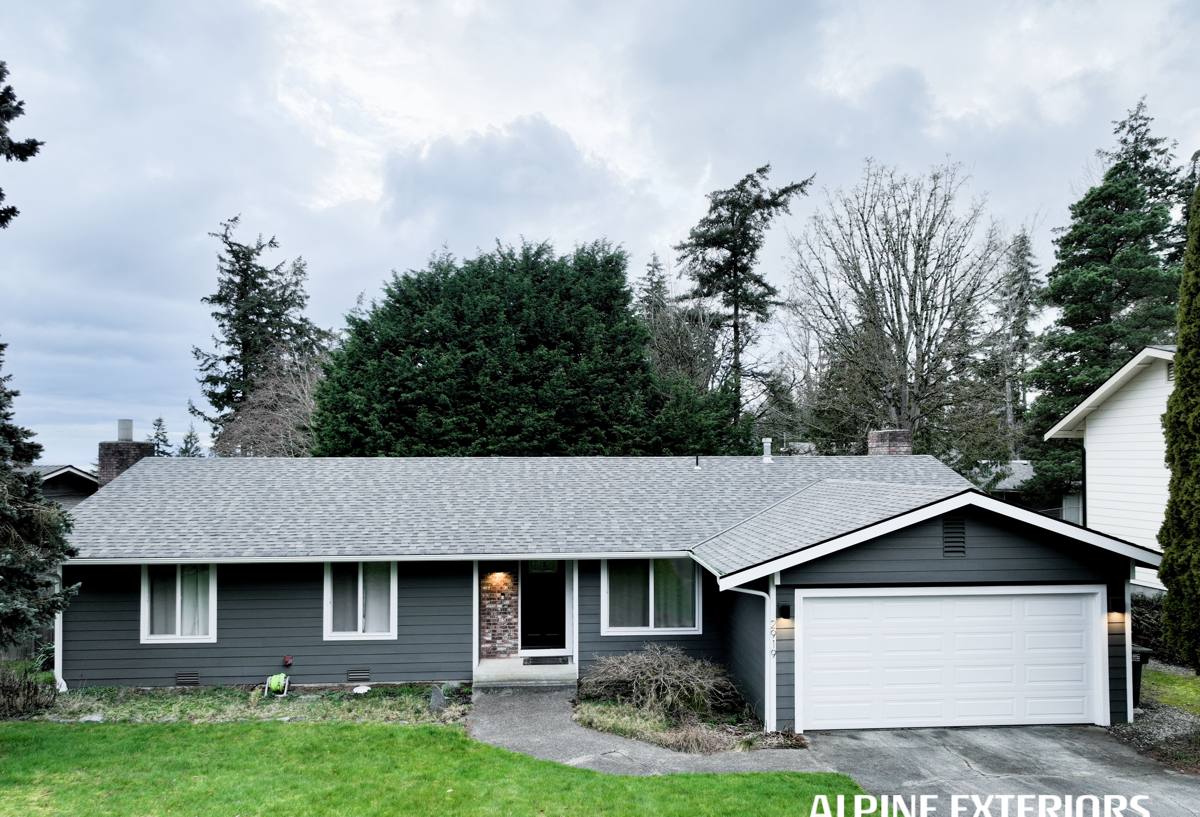
Why Fiber Cement Is the Right Category for This Neighborhood
Fiber cement siding is a mix of cement, sand, and cellulose fibers, pressed and cured into planks or panels. It doesn't share the moisture-absorption problems of wood siding or the heat-and-wind vulnerabilities of vinyl. For a neighborhood like Southside Village — close enough to the coast to catch salt air, exposed enough to catch full Florida sun — that combination of rigidity, moisture resistance, and non-combustibility matters more than it does in a lot of inland markets.
What Salt Air and UV Actually Do to Siding
Salt air accelerates corrosion of exposed fasteners and trim hardware, and it degrades cheap coatings faster than a lab test ever predicts. UV exposure breaks down pigments and resins in lower-grade paints and finishes, which is why so many houses in coastal Florida show chalking, fading, or peeling years before the siding itself has failed. The siding material can be sound while the finish on top of it gives out — and once the finish goes, moisture gets a foothold underneath.
What Wind-Driven Rain Does
Wind-driven rain doesn't fall straight down — it gets pushed sideways and upward under eaves, around window and door openings, and behind loosely fastened siding. A siding system that isn't installed with the right clearances, flashing, and fastening pattern can look fine for a season or two and still be feeding water into the wall assembly behind it.
Why We Only Install James Hardie Fiber Cement
Not all fiber cement is the same, and we've made a deliberate decision to install James Hardie products exclusively rather than lower-cost fiber cement alternatives, engineered wood products like LP SmartSide, vinyl siding, or primed wood siding. That's a professional standard, not a knock on every other product on the market — plenty of those products have legitimate uses in other climates or budgets. But for what Southside Village homes go through every year, here's the trade-off math we're not willing to make on a customer's behalf:
- Non-combustible core — James Hardie fiber cement won't feed a fire the way wood-based siding products can.
- Climate-engineered product lines — Hardie's HZ5 formulation is specifically engineered for high-humidity, moisture-prone climates like Florida's Gulf Coast, rather than a one-size-fits-all national product.
- ColorPlus factory finish — a baked-on, UV-cured finish applied under controlled factory conditions holds color and resists fading far better than field-applied paint exposed to Sarasota sun from day one.
- Moisture behavior — fiber cement doesn't swell, delaminate, or absorb water the way engineered wood siding can when a seam or cut edge gets exposed.
- Transferable warranty backing — a real, well-documented warranty structure matters when the whole point is a 30-plus-year siding decision.
We'd rather explain that trade-off honestly up front than install something we know is a worse long-term bet for a coastal Sarasota property.
What a Correct Fiber Cement Installation Actually Involves
The siding material is only part of the equation. Most fiber cement failures we get called out to inspect — on any brand — trace back to installation shortcuts, not the product itself. A correct job on a Southside Village home involves several steps that are easy to skip and expensive to fix later.
Substrate and Moisture Barrier
Old siding, trim, and any compromised sheathing get removed and inspected, not just covered over. A weather-resistant barrier goes down correctly lapped so water sheds outward, not into the wall cavity — this is especially important on older Southside Village homes where the original wall assembly may not have modern moisture protection.
Clearances and Flashing
Fiber cement needs proper clearance from grade, roof lines, decks, and other horizontal surfaces so water doesn't wick up into the bottom of the board. Flashing around every window, door, and penetration has to be installed and lapped in the correct order — this is where wind-driven rain gets stopped or gets in.
Fastening Pattern and Joints
James Hardie specifies fastener type, spacing, and placement for a reason — it's engineered around the wind loads the product is rated for. Butt joints get treated correctly, whether that's factory-primed joints, H-molding, or a properly caulked and painted seam, so those joints don't become the weak point in an otherwise solid wall.
Caulking and Paint Lines
Manufacturer-approved sealants at trim and penetration points, and touch-up paint that actually matches the ColorPlus finish system, are what keep a job looking uniform instead of showing seams and shadow lines within a year or two.
Our Process for Southside Village Projects
Because Southside Village is a close-in, established neighborhood, lots tend to be tighter and homes sit closer to their neighbors than newer subdivisions elsewhere in the county — that changes how we stage material, protect landscaping, and sequence the tear-off and install to keep the property livable throughout the job.
- On-site assessment — we inspect existing siding, trim, and sheathing condition, and check for any moisture damage hiding behind the current cladding.
- Product and profile selection — matching a Hardie plank, panel, or shingle profile to the home's existing character, whether that's a traditional lap look on an older cottage or a cleaner panel profile on newer construction.
- Permitting — pulling the required permits through the appropriate Sarasota County or City of Sarasota building department process before work starts.
- Tear-off and substrate repair — removing old siding, repairing or replacing any compromised sheathing, and installing the moisture barrier correctly.
- Installation to manufacturer spec — fastening pattern, clearances, flashing, and joint treatment done to James Hardie's published installation requirements, not shortcuts.
- Final inspection and walkthrough — checking every course, joint, and trim line before we call the job done.
Fiber Cement vs. Other Siding Options for This Climate
| Factor | James Hardie Fiber Cement | Vinyl Siding | Engineered Wood (e.g. LP SmartSide) |
|---|---|---|---|
| Wind performance | Rated and tested for high-wind installation | Can crack or blow off in sustained coastal winds | Adequate when installed to spec, but panel edges are more vulnerable |
| Moisture / salt air behavior | Doesn't absorb water or corrode | Doesn't absorb water, but seams and fasteners can fail | Wood core can swell or delaminate if moisture gets past the coating |
| UV / fade resistance | ColorPlus factory finish resists fading | Can fade and grow brittle in constant sun | Depends on field-applied paint quality and maintenance |
| Fire resistance | Non-combustible | Combustible | Combustible (wood-based) |
| Typical lifespan when correctly installed | 30+ years | 15–25 years | 15–25 years |
Every product on that list can be installed reasonably well or poorly — the table reflects how each material behaves once it's exposed to Sarasota's specific mix of sun, salt, and wind, not a claim that competing products are defective.
Why a Crew That Already Works Southside Village Matters
Wind load requirements, permitting expectations, and inspection standards vary by jurisdiction, and Sarasota County's coastal wind zone requirements are not the same as an inland Florida county's. A crew that's already pulled permits and passed inspections in this specific area knows what the local building department expects before the first board goes up, which avoids the delays that come from a contractor learning the process on your project. Familiarity with the neighborhood's mix of older and newer construction also means fewer surprises once the old siding comes off and the substrate underneath is exposed.
Signs Your Current Siding May Need Attention
- Soft spots or visible give when you press on the siding near the bottom courses or under windows
- Paint that's peeling, bubbling, or chalking heavily rather than just fading evenly
- Visible gaps, warping, or buckling at seams and joints
- Staining or discoloration that keeps returning after cleaning, which can point to moisture behind the siding
- Rising energy bills with no other clear cause, which can indicate a compromised building envelope
- Visible rust streaking from fasteners or trim hardware
Any one of these on its own isn't necessarily an emergency, but a few of them together are worth a closer look before another Florida storm season.
Maintenance and Long-Term Care
Correctly installed James Hardie siding is low-maintenance, not no-maintenance. In a coastal Sarasota environment, that means periodically rinsing off salt film and airborne debris, checking caulk lines at trim and penetrations every year or two, and addressing any impact damage promptly rather than letting a cracked board sit exposed through a rainy season. Because the ColorPlus finish is factory-applied, most homeowners go many years without needing to repaint at all — touch-up is typically limited to spots affected by physical damage rather than general fading.
If you're weighing a siding replacement for a home in Southside Village, we're glad to walk the property, give you a straight assessment of what's going on with your current siding, and put together a free, no-pressure estimate for a James Hardie system built for what this part of Sarasota actually deals with every year.