 Sarasota Window
 Board & Batten Siding in Gulf Gate Estates: What Sarasota's Climate Demands
Gulf Gate Estates sits in one of Sarasota County's older, well-established residential pockets, and homes here face the same relentless climate pressures as the rest of the barrier island and coastal mainland: hurricane-force winds during storm season, intense year-round UV that never really lets up, wind-driven rain that finds every gap in a poorly built wall system, and salt-laden air drifting in off the Gulf that accelerates corrosion on anything not built to handle it. Board and batten siding — with its vertical boards and raised battens covering the seams — is a popular look in this neighborhood because it reads clean and classic against Florida ranch and cottage-style homes. But the style only holds up if the material underneath and the installation behind it are built for this specific climate, not for a mild inland market.
We install board and batten siding for homeowners throughout Gulf Gate Estates and the surrounding Sarasota area, and we do it with one material only: James Hardie fiber cement. This page walks through what a correct board and batten job actually requires here, what tends to go wrong when it's rushed or mismatched to the climate, and how our process works from first estimate to finished wall.
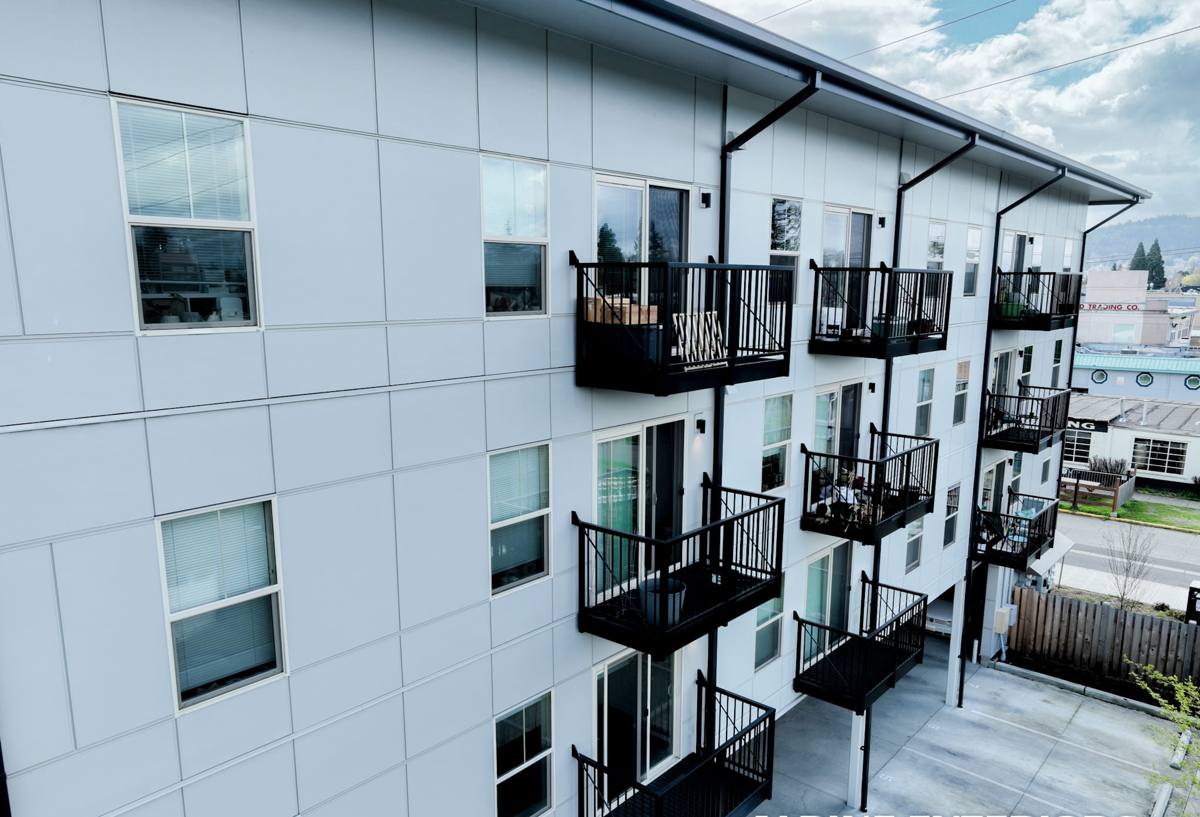
Why Board & Batten Specifically Struggles in Coastal Florida Conditions
Board and batten is a more exposed siding profile than lap siding. The vertical boards create more seams running top to bottom, and the battens themselves rely on a tight, correctly fastened installation to keep water from tracking behind the wall plane. In a Sarasota County climate, a few specific stresses show up faster on board and batten than on other profiles:
- Wind-driven rain gets pushed sideways and upward during tropical storms and squalls, which means it can work its way behind battens that aren't sealed and fastened correctly — something a calm-weather rain never tests.
- UV exposure is constant here, not seasonal. A painted or unfinished board surface fades and chalks faster in Sarasota's sun than it would in a northern climate, and uneven fading is more visible on the flat, high-contrast planes of a board and batten wall.
- Salt air corrodes exposed fasteners over time. Board and batten uses more visible face and blind fasteners per square foot than some other profiles, so fastener quality and placement matter more here than they might elsewhere.
- Hurricane-force wind puts direct pressure and suction loads on every board edge and batten strip. If the fastening schedule is wrong, boards can work loose or lift at the edges over successive storm seasons, even if nothing fails catastrophically in any one event.
None of this means board and batten is a bad choice for a Gulf Gate Estates home — it's a great look and a durable system when it's built right. It means the material and the installer both need to be matched to what this climate actually does to a wall, year after year.
What a Correct Board & Batten Installation Involves
The Substrate and Moisture Barrier
Everything starts behind the boards. A correct installation uses a properly lapped weather-resistant barrier, with all penetrations, window and door openings, and transitions flashed to shed water downward and outward — never trapping it against the sheathing. On board and batten specifically, this matters at every vertical seam, since each seam is a potential path for water if the barrier or flashing detail underneath is wrong.
Fastening and Spacing
James Hardie publishes specific fastener types, spacing, and embedment requirements for its vertical siding products, and those specs account for wind pressure — which is exactly what a Sarasota County home needs given local wind exposure. Boards need consistent gapping at butt joints to allow for the material's normal expansion and contraction, and battens need to be fastened independently into the substrate, not just nailed through the field boards.
Finish and Caulking Details
James Hardie's ColorPlus factory finish is baked on under controlled conditions, which gives it more consistent UV resistance than a field-applied paint job — a real advantage under Sarasota's sun. Where caulking is required at trim and penetrations, it needs to be a product rated for the coastal exposure and applied to manufacturer spec, not just wherever a gap shows.
Trim and Corner Detailing
Clean corner and trim work is what makes board and batten look sharp rather than choppy. It also closes off the edges where wind-driven rain most commonly finds its way behind a wall system if the detailing is rushed.
Why We Only Use James Hardie for This
We don't install vinyl, LP SmartSide, primed spruce or cedar boards, or other fiber cement brands. That's a deliberate standard, not a sales pitch. Wood-based board and batten products are attractive but need ongoing paint maintenance and are more vulnerable to moisture-driven rot in a humid coastal climate — a real cost over the life of the siding, even when installed well. Vinyl board and batten profiles can work loose or distort under sustained high heat and UV, and they don't offer the same fire-resistance profile as fiber cement. James Hardie's fiber cement is non-combustible, engineered specifically for humid, high-UV, storm-exposed climates through its HZ10 product line, and backed by a strong transferable limited warranty on both the substrate and the ColorPlus finish. For a Gulf Gate Estates home taking direct sun and storm exposure for decades, that combination is what holds up — not just what looks good on installation day.
Comparing Board & Batten Material Options for This Climate
| Material | UV / fade resistance | Moisture behavior | Wind performance | Long-term maintenance |
|---|---|---|---|---|
| James Hardie fiber cement | Factory ColorPlus finish, engineered for high UV | Non-combustible, engineered for humid climates | Rated fastening schedules for high-wind zones | Low — occasional wash, no repainting cycle on ColorPlus |
| Vinyl board & batten | Can fade and chalk in constant sun | Doesn't rot, but can warp/distort under heat | More prone to flexing or dislodging in high wind | Low, but limited repair options if damaged |
| Primed spruce / cedar | Fades and needs repainting on a cycle | Vulnerable to rot and moisture damage over time | Performance depends heavily on install quality | High — regular repainting and moisture checks |
| LP SmartSide (engineered wood) | Needs factory or field finish maintained over time | Treated against moisture, but a wood-based core | Solid when installed to spec | Moderate — finish maintenance over the life of the siding |
Our Process for Gulf Gate Estates Homes
- On-site walkthrough. We look at the existing wall condition, current siding material, window and door flashing, and any moisture or rot issues before quoting anything.
- Material and color planning. We help you choose board width, batten spacing, and a ColorPlus finish that fits the home and the neighborhood.
- Substrate prep. Any damaged sheathing or trim is addressed before the new weather barrier and flashing go on — we don't cover up a problem with new siding.
- Installation to manufacturer spec. Fastening, gapping, and flashing follow James Hardie's published requirements for this wind and moisture exposure.
- Final walkthrough. We review the finished job with you, including care and warranty registration.
Why a Crew That Already Works Gulf Gate Estates Matters
Siding work in Sarasota County isn't just a materials question — it's a permitting, wind-zone, and inspection question too. A crew that regularly works this area already understands the county's permitting process, the wind-load expectations local inspectors check for, and the kind of substrate conditions common to homes of this age and construction type in the neighborhood. That familiarity shows up in fewer surprises mid-project, a smoother permitting and inspection process, and a finished install that's actually built for what this specific stretch of Sarasota County throws at a wall — not a generic install pulled from a manual written for a different climate.
What to Check Before You Hire Anyone for Board & Batten Work
- Are they installing to the manufacturer's published fastening and flashing spec, or their own shortcut version?
- Do they carry proper licensing and insurance for exterior work in Sarasota County?
- Will they show you the weather barrier and flashing detail before boards go up, or only the finished product?
- Do they stand behind the installation itself, separate from the manufacturer's material warranty?
- Have they worked in this neighborhood or wind zone before, or is this their first job in a coastal exposure area?
Maintaining Board & Batten Siding Once It's Installed
James Hardie board and batten with a ColorPlus finish is genuinely low-maintenance, but "low" doesn't mean zero. A periodic rinse to clear off salt residue and airborne debris, a quick visual check of caulked joints and trim after major storms, and prompt attention to any impact damage will keep the system performing the way it's designed to for decades. None of that requires a repainting cycle the way wood-based board and batten does — that's part of why the ColorPlus finish holds up so well against Sarasota's sun.
Ready to Talk About Your Home
If you're considering board and batten siding for a home in Gulf Gate Estates, we're happy to walk the property, look at your current siding condition, and give you a straightforward, no-pressure estimate for a James Hardie installation built for this climate. Use the form below to get started.