 Sarasota Window
 Siding Built for What Gulf Gate Estates Actually Deals With
Gulf Gate Estates sits close enough to the Gulf that its homes take on a specific combination of stress most siding products were never designed to handle for long: hurricane-force wind gusts during storm season, intense year-round UV exposure, wind-driven rain that gets forced sideways into joints and seams, and salt-laden air that never really lets up, even on calm days. Any one of those factors will shorten the life of the wrong siding material. Together, they're why so many older homes in this part of Sarasota County show siding damage well before the rest of the house shows its age.
This page is about one job, done right, in one neighborhood: installing James Hardie fiber cement siding on Gulf Gate Estates homes. We're not going to give you a generic rundown of siding types — we're going to explain what this specific climate demands, what a correct installation actually involves, and why the crew doing the work matters as much as the material itself.
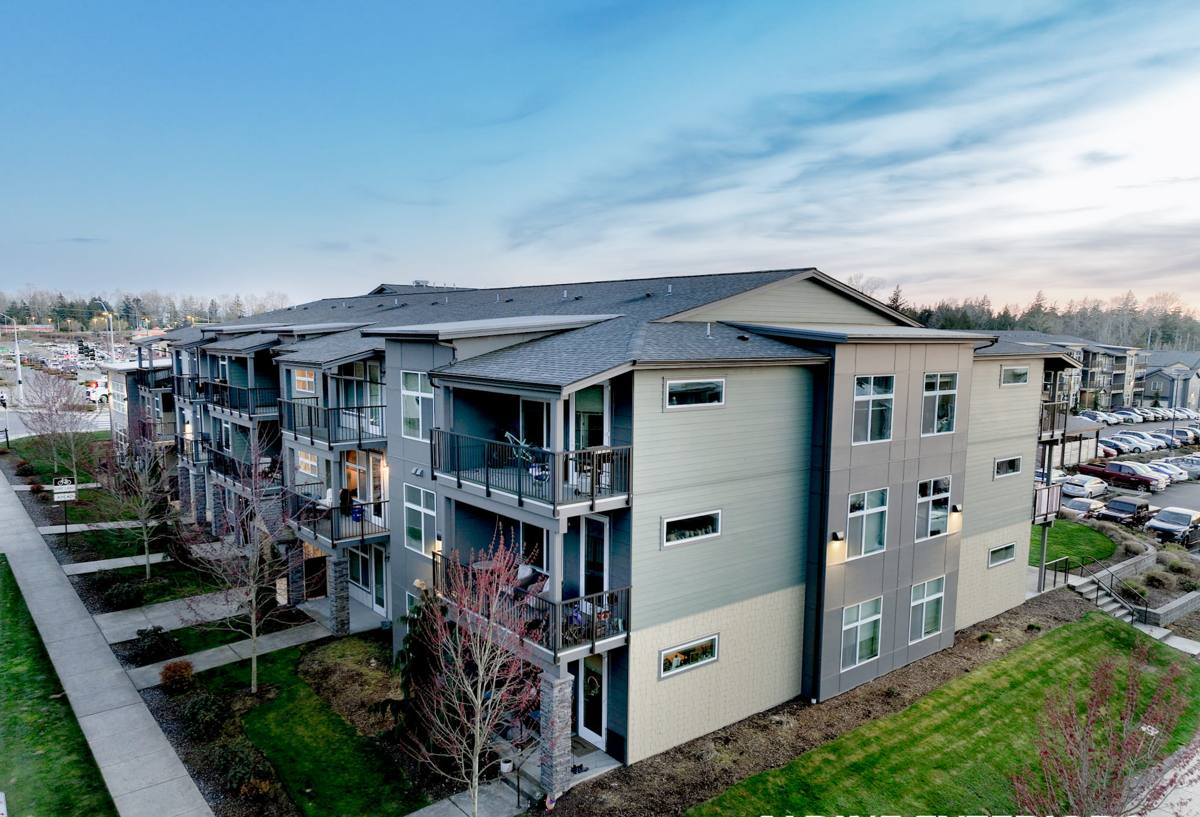
What Gulf Gate Estates Homes Are Up Against
Wind and Storm Pressure
Sarasota County sits in a high-wind coastal zone, which means siding here has to survive more than the occasional gusty afternoon. During tropical storms and hurricanes, wind doesn't just push on a wall — it creates pressure differences that pull outward on siding panels, especially near corners and roof lines. Siding that isn't fastened correctly, or that relies on adhesive and interlocking clips rather than mechanical fasteners driven into structural framing, is the first thing to peel off in a real wind event.
UV and Heat
Florida sun is relentless, and Gulf Gate Estates gets its full share of it. Constant UV exposure breaks down pigments and surface coatings over time, which is why so many vinyl and painted wood-composite sidings fade, chalk, or warp within a decade. Heat cycling — hot afternoons followed by cooler, humid evenings — also causes materials to expand and contract, and products that don't handle that movement well develop gaps, buckling, or cracked caulk lines.
Salt Air and Moisture
Even a few miles inland from the coast, salt air accelerates corrosion of fasteners and metal trim, and it interacts badly with any siding material that absorbs moisture. Combine that with Sarasota's humidity and frequent wind-driven rain, and you get conditions that punish anything prone to swelling, rot, or trapped moisture behind the surface.
Why We Only Install James Hardie Fiber Cement Siding
We made a deliberate decision not to install LP SmartSide, vinyl, Cemplank, Allura, or primed wood siding like spruce or cedar. That's not a knock on every homeowner who has one of those products on their house today — it's a standard we hold our own installs to, based on how each material actually performs in this specific climate over the long run.
Vinyl is affordable and easy to install, but it's a thin, flexible plastic that can crack in impacts, deform in intense heat, and is limited in how well it resists high wind loads compared to fiber cement. Wood-based composite siding like LP SmartSide performs reasonably in drier climates, but any product with an engineered-wood core is more vulnerable to moisture intrusion at cut edges and seams — a real liability in a wind-driven-rain environment. Other fiber cement brands like Cemplank and Allura are legitimate products, but we've standardized on James Hardie specifically for its factory-applied ColorPlus finish, its HZ5 product engineering for high-humidity climates, and the depth of its installation documentation and warranty backing. Primed cedar or spruce siding requires ongoing paint maintenance that most homeowners underestimate, and untreated wood is simply not a good match for salt air and sustained moisture.
James Hardie fiber cement is non-combustible, dimensionally stable, and engineered specifically for humid, storm-prone climates like ours. It won't rot, it resists pests that go after wood products, and its factory-baked ColorPlus finish holds color far longer under UV exposure than field-applied paint. That's why it's the only product we put on Gulf Gate Estates homes.
Choosing the Right Hardie Product for Your Home
James Hardie makes several product lines, and the right choice depends on your home's existing style, HOA guidelines common in Gulf Gate Estates, and how much of the original trim and architectural detail you want to preserve.
| Product | Best For | Key Trait |
|---|---|---|
| HardiePlank Lap Siding | Most single-family homes | Classic horizontal lap look, most common choice |
| HardieShingle | Accent areas, gables, coastal-style homes | Staggered or straight-edge shingle profile |
| HardiePanel | Modern or vertical-siding designs | Large-format vertical panels |
| HardieTrim | Corners, window and door surrounds | Matches siding profile, resists moisture at joints |
Most Gulf Gate Estates projects use HardiePlank as the primary field siding with HardieTrim around openings and corners, sometimes with HardieShingle used as an accent on a gable or entry feature. We'll walk through the options during your estimate based on what suits your home.
What a Correct Installation Actually Involves
Fiber cement siding is only as good as its installation. In a climate like ours, the details most homeowners never see are exactly what determine whether the siding lasts 30-plus years or starts failing in five.
- A properly installed weather-resistive barrier behind the siding, with all seams and penetrations sealed
- Correct starter strip placement so the bottom course sits at the right angle and clearance off grade
- Flashing at every window, door, and roofline intersection to direct water away from the wall assembly
- Fasteners driven into structural framing at the manufacturer's specified spacing — not just into sheathing
- Proper joint gaps and factory-matched, paintable sealant at butt joints and around trim
- Correct clearance between the bottom of the siding and roofing, decks, and grade to avoid wicking moisture
- Use of corrosion-resistant fasteners appropriate for coastal, salt-air exposure
Skip any one of these steps and you introduce a weak point that wind-driven rain or storm-force gusts will eventually find. This is the kind of work that shows its quality — or lack of it — years later, not on day one.
Our Process, Start to Finish
- On-site assessment: We inspect your existing siding, sheathing, and trim condition, and take exact measurements.
- Product and color selection: We go over Hardie product lines, ColorPlus finishes, and trim options suited to your home.
- Written estimate: A clear, itemized proposal with no surprise add-ons once work begins.
- Tear-off and inspection: Old siding comes off and we inspect the sheathing underneath for hidden moisture or rot before proceeding.
- Weather barrier and flashing installation: The unglamorous but most important layer of the job.
- Hardie siding installation: Installed to manufacturer fastening and clearance specifications, not shortcuts.
- Final trim, caulking, and cleanup: Detail work finished and the site left clean.
- Walkthrough: We review the finished work with you before calling the job complete.
Cost Factors for Gulf Gate Estates Siding Projects
Every home is different, but the same handful of factors drive most of the cost variation we see on siding jobs in this area.
| Factor | Why It Matters |
|---|---|
| Home size and wall complexity | More corners, gables, and dormers mean more cutting, trim, and labor time |
| Condition of existing sheathing | Rot or moisture damage found during tear-off adds repair work before siding can go on |
| Product line and finish selection | HardieShingle and premium ColorPlus finishes cost more than standard HardiePlank |
| Trim and accent detail | Custom trim work around windows, doors, and architectural features adds time |
| Accessibility and site conditions | Two-story homes, tight lot lines, and landscaping can affect labor and staging |
Maintenance That Actually Keeps This Siding Performing
One of the advantages of James Hardie fiber cement is how little ongoing maintenance it needs compared to wood or vinyl — but "little" isn't "none."
- Rinse the siding periodically to remove salt residue and airborne grime, especially on homes closer to the water
- Inspect caulking at trim joints and around windows annually and re-seal if it's cracking or pulling away
- Keep sprinklers and irrigation from spraying directly on the siding long-term
- Trim back landscaping so it isn't holding moisture against the wall
- Address any impact damage or chipped finish promptly rather than letting it sit exposed
Why Hiring a Crew That Already Works Gulf Gate Estates Matters
Siding installation isn't just a product — it's a set of decisions made on your specific house, in this specific climate. A crew that regularly works in Sarasota County already understands the wind-load expectations local homes need to meet, how salt air affects fastener and flashing choices, and the kind of wind-driven rain intrusion points that show up again and again on homes in this part of Florida. That familiarity shows up in fewer callbacks, fewer surprises during tear-off, and a finished job that's actually built for where it's going to live — not a generic install pulled from a national playbook.
If your Gulf Gate Estates home needs new siding, or you're dealing with aging, damaged, or failing siding right now, we're happy to take a look and walk you through what James Hardie fiber cement would involve for your specific home. Reach out for a free, no-pressure estimate using the form below.