 Sarasota Window
 New-Construction Windows in Gulf Gate Estates: What the Job Actually Involves
Gulf Gate Estates is one of Sarasota's older established neighborhoods, and it's seeing a steady wave of new builds, additions, and full remodels alongside its original homes. Whether you're a homeowner replacing a torn-down structure, a builder framing a spec home, or a contractor managing an addition, the windows going into a new-construction opening face a different set of requirements than a window being swapped into an existing wall. There's no old frame to work around and no shortcuts to inherit from a previous installer — but there's also no room for error, because Sarasota County sits in Florida's wind-borne debris region, and every new opening has to be built correctly the first time, inspected, and signed off before the wall ever gets closed up.
Sarasota Window Company installs new-construction windows for Gulf Gate Estates builds, additions, and rebuilds, working directly from plan sets and coordinating with builders, framers, and stucco or siding crews so the window opening, the flashing, and the surrounding wall assembly all work together. This isn't a swap-and-caulk job. It's a coordinated part of the building envelope, and getting it right the first time matters more here than almost anywhere else in Florida, given what this coastal climate does to a wall over time.
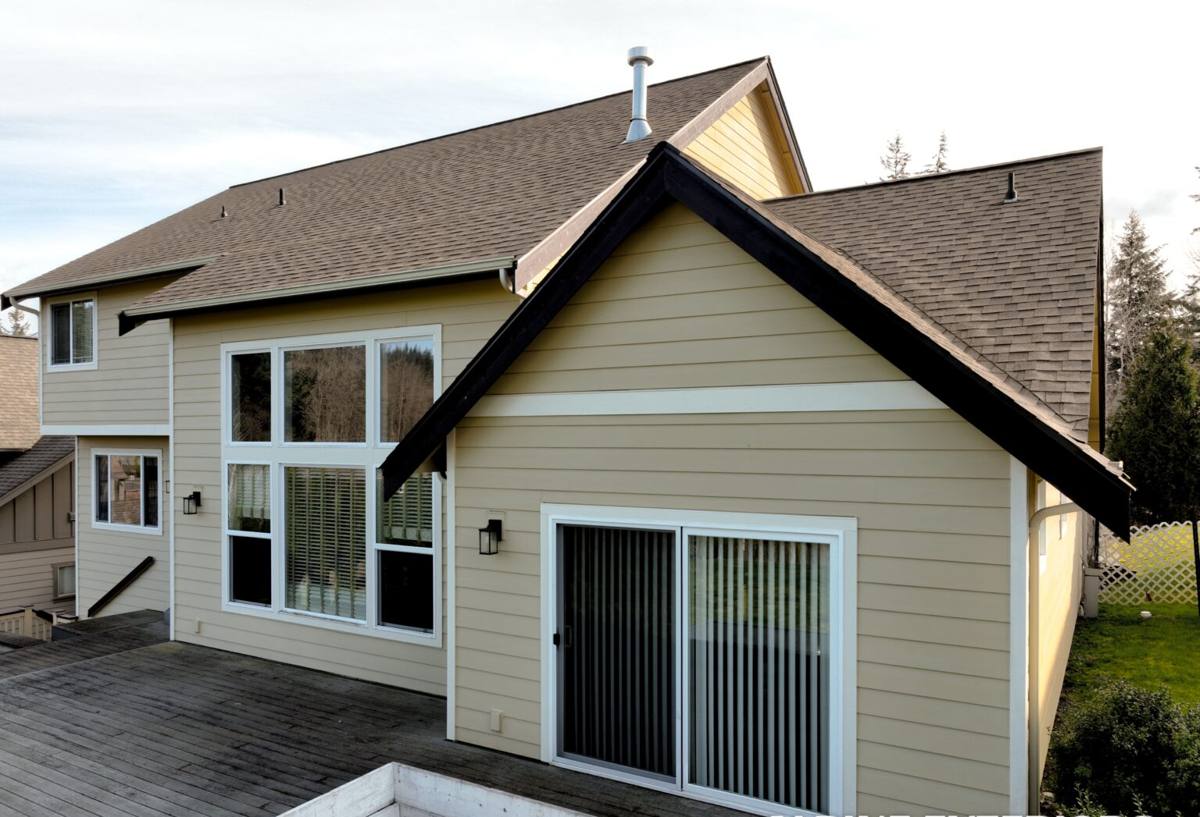
What Sarasota's Climate Demands From a New Window Install
Hurricane-Force Wind and Wind-Borne Debris
Sarasota County falls within Florida's wind-borne debris region, which means new-construction windows here have to meet impact standards, not just wind-pressure ratings. A window that's rated for wind load alone but not for debris impact doesn't satisfy code in this area. Every opening has to be sized, anchored, and glazed to hold up against both the sustained pressure of a hurricane-force wind event and the risk of wind-driven debris striking the glass.
Year-Round UV Exposure
Florida sun is intense in every season, not just summer, and it's constant on a new home with no mature landscaping yet established to provide shade. UV breaks down low-grade vinyl, degrades seals, and fades interior finishes faster than most homeowners expect. The glass package and frame material chosen for a new-construction opening need to account for years of full sun exposure, not just the first year or two.
Wind-Driven Rain and Water Intrusion
Rain in this part of Florida rarely falls straight down during the storms that matter most. Wind pushes it sideways and even upward against a wall, which puts enormous pressure on flashing and sealant details around a window opening. Because this is new construction, the flashing gets built into the wall assembly from scratch — there's a real opportunity to do it correctly, and just as real a risk of a shortcut getting sealed behind stucco or siding where nobody will see it until there's a leak.
Salt Air and Corrosion
Gulf Gate Estates sits close enough to the coast that salt-laden air is a real factor in hardware and fastener selection, even without direct beachfront exposure. Lower-grade hardware and fasteners corrode faster here than inland, which is why frame and hardware material matter as much as the glass itself on a new install meant to last.
Code Requirements That Shape Every New-Construction Window Job
New-construction windows in Sarasota County have to satisfy the Florida Building Code's requirements for the wind-borne debris region, along with energy code and life-safety requirements that don't apply the same way to a simple replacement. On a new build or addition, these get checked at multiple inspection points, not just at final walkthrough.
- Florida Product Approval or Miami-Dade NOA documentation for every window model installed, matched to the specific design pressure and wind zone for that opening
- Correct anchoring and fastening schedule for the wall substrate, per the manufacturer's approved installation instructions
- Egress-compliant sizing for bedroom windows, meeting minimum clear opening width, height, and sill height requirements
- Energy code compliance for solar heat gain coefficient (SHGC) and U-factor appropriate to Florida's climate zone
- Flashing and water-resistive barrier integration that meets the code's water intrusion testing standards
- Proper documentation and labeling left in place for the inspector, not removed before the required inspections
We pull the product approval paperwork for the exact models going into your project and keep it on hand for inspection, because a window that looks right but isn't documented correctly can hold up a certificate of occupancy just as easily as one that's installed wrong.
Impact-Rated Glass vs. Non-Impact With Shutters
Florida code allows two paths to meeting wind-borne debris protection on a new opening: impact-rated windows, or non-impact windows paired with approved storm shutters or panels. Both are code-legal choices, but they carry different trade-offs worth understanding before you commit to one for a new build.
| Factor | Impact-Rated Windows | Non-Impact + Shutters |
|---|---|---|
| Upfront cost | Higher window cost, no separate shutter system to buy | Lower window cost, added cost of shutters or panels |
| Storm-day effort | None; the window itself is the protection | Shutters must be deployed before every storm |
| Everyday appearance | Unobstructed view year-round | Clean when shutters are stored; some styles are visible when not in use |
| Noise and UV reduction | Laminated glass also cuts outside noise and UV year-round | No everyday noise or UV benefit from the shutters themselves |
| Insurance considerations | Often favorable, but confirm specifics with your carrier | Also often qualifies; confirm specifics with your carrier |
Most new-construction clients in Gulf Gate Estates go with impact-rated glass because it's a one-time decision made during the build, with no storm-day scramble later and no separate hardware to maintain. But it's a real choice, not a foregone conclusion, and we'll walk through both paths honestly based on your budget and how the home will be used.
Getting the Rough Opening Right
New-construction window work starts well before the window itself arrives on site. The rough opening has to be framed to the exact dimensions the window manufacturer specifies for its tested and approved installation method, with the right header size, buck material if the wall assembly calls for one, and correct alignment so the window sits plumb, level, and square in the wall. Get this wrong and no amount of careful installation later fixes it — the window will fight the opening for as long as it's in the wall.
We coordinate directly with your builder, general contractor, or framer during rough-in so the openings are checked before drywall, stucco, or siding closes them up. That coordination is where most new-construction window problems actually get prevented — not on install day, but during the framing walkthrough a few weeks earlier when a bad opening is still cheap and easy to fix.
Our New-Construction Installation Process
Plan Review and Product Selection
We start from your plan set, not a guess. Window schedules, design pressure requirements by elevation, and egress requirements all get confirmed before we order anything, so the right product with the right approval documentation shows up for the right opening.
Rough Opening Verification
Before installation day, we check that framed openings match approved dimensions and that the wall assembly is ready for the specific flashing method the window's approval requires.
Installation and Flashing
Windows are set plumb, level, and square, anchored per the manufacturer's tested schedule, and flashed in the correct sequence with the wall's water-resistive barrier so water sheds outward and downward at every layer, not just at the surface.
Sealing and Finish Coordination
We coordinate the interior and exterior sealant work with whatever trade is closing up the wall next — stucco, siding, or interior finish — so nothing gets sealed over an incomplete detail.
Documentation for Inspection
Product approval paperwork, labels, and installation documentation are left ready for the building inspector, and we're available to walk the inspector through the install if questions come up.
Signs of a Rushed New-Construction Window Install
Not every window problem shows up on move-in day. Some of the most expensive ones take a year or two of Sarasota sun and storms to surface. Watch for:
- Gaps between the window frame and the surrounding stucco or siding finish
- Windows that don't operate smoothly, stick, or don't latch flush right after installation
- Missing or unavailable product approval documentation for the exact models installed
- Visible caulk used as the primary water barrier instead of proper flashing underneath the finish
- Condensation or fogging between panes within the first year, which points to a seal failure at manufacture or installation
- Fasteners or hardware showing early corrosion, a sign of the wrong hardware grade for this coastal environment
Any of these on a new build is worth raising with your contractor before the wall closes up further or the warranty clock runs out.
Why a Crew That Already Works Gulf Gate Estates Matters
A contractor who installs new-construction windows across Sarasota County regularly already knows how the county's inspectors review this work, which product approval documentation they expect to see, and how a given lot's orientation and exposure in a neighborhood like Gulf Gate Estates affects design pressure requirements from one elevation to the next. That familiarity shortens the back-and-forth during permitting and inspection, and it means fewer surprises mid-build. It also means working with a crew that understands this isn't a one-off job — new-construction windows are one piece of a building envelope that has to perform together against hurricane wind, sun, rain, and salt air for decades, and every trade touching that envelope needs to coordinate with the others.
If you're building, adding on, or rebuilding in Gulf Gate Estates, we're happy to walk your plans, talk through impact-rated versus shutter options, and give you a straightforward, no-pressure estimate for the window package your project needs. Use the form below to get started.