 Sarasota Window
 Building a Deck That Actually Holds Up in Lakewood Ranch
Lakewood Ranch homeowners ask for a lot of the same things when they call about a deck: more usable outdoor space, a place that doesn't feel like an afterthought bolted onto the back of the house, and something that won't need to be rebuilt in five years. That last part is the tricky one here. This is a fast-growing, master-planned community that straddles the Manatee and Sarasota county line, and while it doesn't sit right on the water, it's still squarely inside a Gulf Coast climate that is hard on outdoor structures year-round. A deck built the same way you'd build one in Ohio or Georgia does not last the same way here.
This page is about one thing specifically: custom deck construction for homes in and around Lakewood Ranch. Not a general overview of decking — the actual decisions that matter for this area, from material choice to fastener selection to how we sequence a build so it survives its first few Florida summers without cupping, fading, or working itself loose.
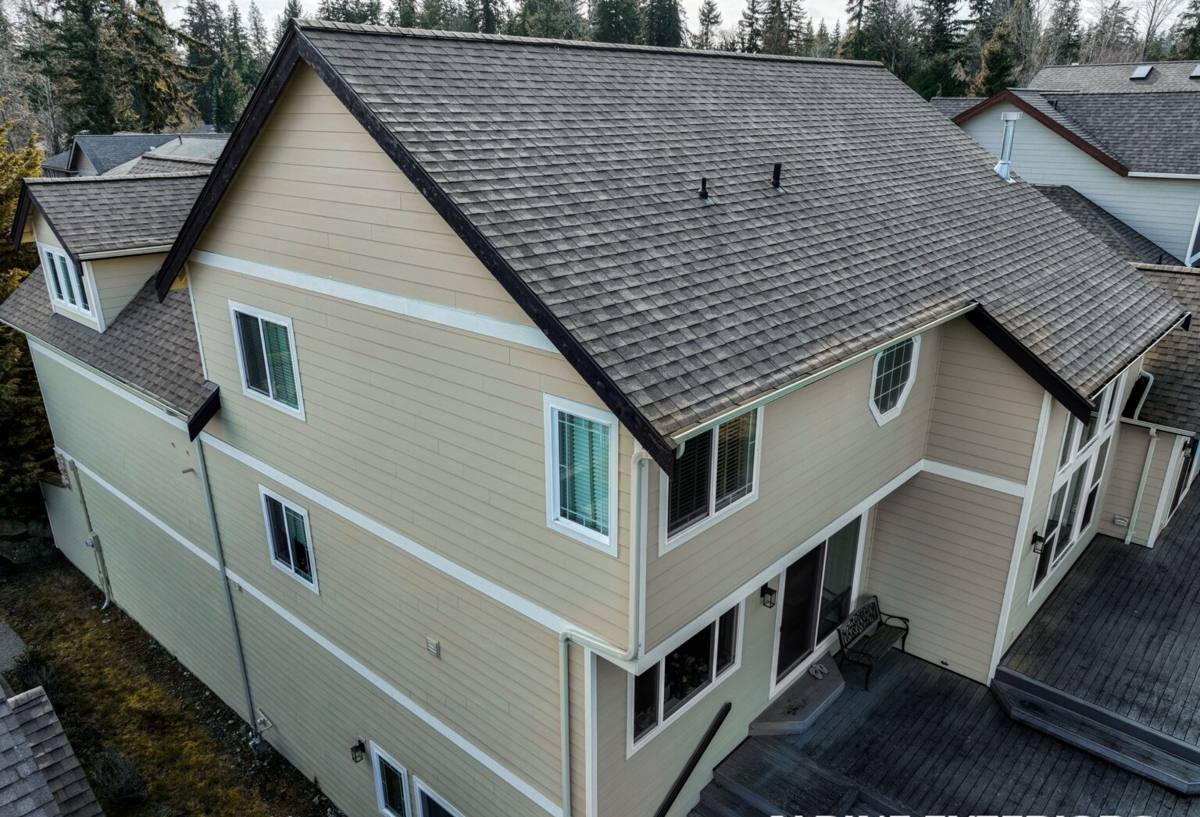
What Sarasota County Weather Does to an Outdoor Deck
Every deck in this region is fighting the same four things, all at once, all year:
- Intense, near-constant UV exposure — breaks down wood fibers, fades color, and degrades lower-grade composite decking faster than manufacturers' brochures suggest.
- Wind-driven rain — Florida storms rarely fall straight down. Rain gets pushed sideways into ledger connections, under boards, and into end-grain cuts that weren't sealed properly.
- Hurricane-force wind loads — even inland communities like Lakewood Ranch see serious wind events. A deck's structural connections, not just its surface material, need to be rated for that.
- Salt-laden air — Lakewood Ranch is inland relative to the immediate coast, but Gulf-driven moisture and salt content in the air still accelerate corrosion on hardware that isn't properly rated for it.
None of these are exotic problems. They're just constant, and a deck that isn't specified for them will show it early — through fastener bleed stains, board cupping, soft spots at the ledger, or hardware that rusts through years before the wood or composite itself fails.
Why "It Looked Fine When It Was Installed" Isn't a Useful Standard
Almost any deck looks good on day one. The real test is what it looks like after two or three wet seasons. A lot of the deck problems we get called out to look at didn't come from bad workmanship in an obvious sense — they came from spec choices that were fine for a milder climate and just weren't built for this one: interior-grade fasteners, insufficient ledger flashing, or decking installed tight with no room for the seasonal movement that Florida's heat and humidity swings cause.
Choosing the Right Decking Material for This Climate
There's no single "best" decking material — there's a best material for your budget, your maintenance appetite, and how the deck will be used. Here's how the common options actually perform under Lakewood Ranch conditions:
| Material | Sun & Heat Behavior | Moisture Behavior | Maintenance | Typical Upfront Cost |
|---|---|---|---|---|
| Pressure-treated wood | Fades and grays within a year or two without upkeep; can get hot underfoot | Prone to cupping and splitting if not sealed and re-sealed regularly | Highest — annual cleaning and resealing | Lowest |
| Tropical hardwood (e.g., ipe) | Very stable in heat; naturally dense | Excellent moisture resistance when properly fastened and finished | Moderate — periodic oiling to maintain color | Highest |
| Capped composite | Can run hot in direct sun; better fade resistance than wood | Very good — resists rot and moisture absorption | Low — occasional washing | Mid-to-high |
| Uncapped/older composite | Fades and can chalk under sustained UV | More prone to moisture wicking at cut edges over time | Moderate | Mid |
For most Lakewood Ranch homeowners, this comes down to a straightforward trade-off: capped composite gives the best balance of low maintenance and long-term appearance for most budgets, while a dense hardwood is worth considering for owners who want a specific natural look and are willing to keep up with periodic oiling. We generally steer clients away from uncapped composite and untreated softwoods for full-sun, high-exposure decks in this area — not because those products are defective, but because the maintenance burden and moisture sensitivity don't line up well with how much sun and rain a Sarasota County deck actually takes on.
Structural and Framing Decisions That Matter Here
The decking surface is what you see, but the framing underneath is what determines whether the deck is still safe and level in ten years. For this climate, a few things get non-negotiable treatment on our builds:
Ledger Attachment and Flashing
The ledger board — where the deck ties into the house — is the single most common failure point on decks anywhere, and wind-driven rain makes it worse here. Proper flashing that sheds water away from the house band board, correct lag or through-bolt spacing, and a moisture barrier between the ledger and the house wall are basic requirements, not upgrades.
Fasteners and Hardware
Standard zinc-coated hardware corrodes faster in this air than in drier, inland climates. We spec stainless steel or heavy-duty coated fasteners rated for coastal/high-moisture exposure on connectors, joist hangers, and structural screws — the parts you can't easily inspect or replace once the decking is down.
Footings and Wind Uplift
Post footings need to be sized and set to local frost-free depth requirements and engineered to resist wind uplift, not just vertical load. This is where hurricane-rated connectors at the post-to-beam and beam-to-joist connections matter — they're what keeps a deck structurally attached during a serious wind event instead of just sitting on top of its posts.
Permitting for Lakewood Ranch Properties
Because Lakewood Ranch spans both Manatee and Sarasota counties, which county's building department has jurisdiction over your permit depends on exactly where your property sits — it isn't a single blanket process for the whole community. A deck attached to the house, above a certain height, or built with a roof or screen enclosure will almost always require a permit and inspection. Part of our process is confirming jurisdiction and pulling the correct permit before framing starts, so you're not left with an unpermitted structure that becomes a problem at resale or insurance renewal.
Our Process, Start to Finish
- On-site assessment — we look at sun exposure, drainage, existing structure (if replacing an old deck), and how you actually plan to use the space.
- Design and material selection — sized to your home, your budget, and the maintenance level you want long-term, not a one-size-fits-all layout.
- Permitting — we handle submission to the correct county building department and schedule required inspections.
- Framing — structural work built to wind-load and corrosion standards appropriate for this climate, inspected before decking goes down.
- Decking and finish work — installed with proper gapping for seasonal movement and correctly sealed cut ends.
- Final walkthrough — we go over care and maintenance specific to whatever material you chose.
Keeping a Lakewood Ranch Deck Looking Right Year After Year
Whatever material you choose, a few habits make a real difference in how the deck ages in this climate:
- Rinse pollen, salt residue, and organic debris off the surface every few weeks, especially after storms.
- Keep gutters and downspouts clear so runoff isn't dumping directly onto or under the deck.
- Check fastener heads and connector hardware annually for early rust staining.
- Re-seal or re-oil natural wood on the manufacturer's recommended schedule — don't wait until it's visibly gray.
- Keep planters and rugs from sitting in one spot too long; trapped moisture underneath is a common cause of premature staining or rot.
Questions Worth Asking Before You Hire
- Is the contractor pulling a permit through the correct county for your specific property?
- What fastener and connector hardware do they use, and is it rated for coastal/humid exposure?
- How is the ledger board flashed and sealed against the house?
- What gap spacing do they use between boards to account for material movement?
- Do they carry liability insurance and can they show proof of it?
Why Local Build Experience Matters
A deck design that works in a drier, cooler climate can fail here in ways that aren't obvious until year two or three — a fastener choice that seemed fine, a ledger flashing detail that gets away with it up north but not against Sarasota County's rain patterns. Crews who build regularly in this area make those decisions correctly the first time because they've already seen what goes wrong when they aren't. That experience is worth more than it sounds like on paper — it's the difference between a deck that needs real repair work in five years and one that's still solid in fifteen.
If you're planning a custom deck for a Lakewood Ranch home, we're happy to walk the property, talk through material options honestly, and put together a straightforward estimate — no pressure, no pushy upsells. Use the form below to request your free estimate.