 Sarasota Window
 Building Decks That Actually Hold Up in Lakewood Ranch
Lakewood Ranch sits inland from the coast, but that doesn't mean the weather goes easy on outdoor structures. Homes here still deal with the same intense Gulf Coast sun, heavy summer humidity, and seasonal tropical storm systems that hit the rest of Sarasota County. A deck that's built the way it might be built in a drier, milder climate will show problems fast here — cupped boards, rusted fasteners, loose railings, and finishes that fade or peel within a couple of seasons. We build decks specifically for this environment, using materials and construction methods chosen because they hold up here, not because they're what's cheapest to stock.
This page covers what a deck built for Lakewood Ranch actually needs, how we approach the build from planning through final walkthrough, and what to look for if you're comparing contractors for this kind of project.
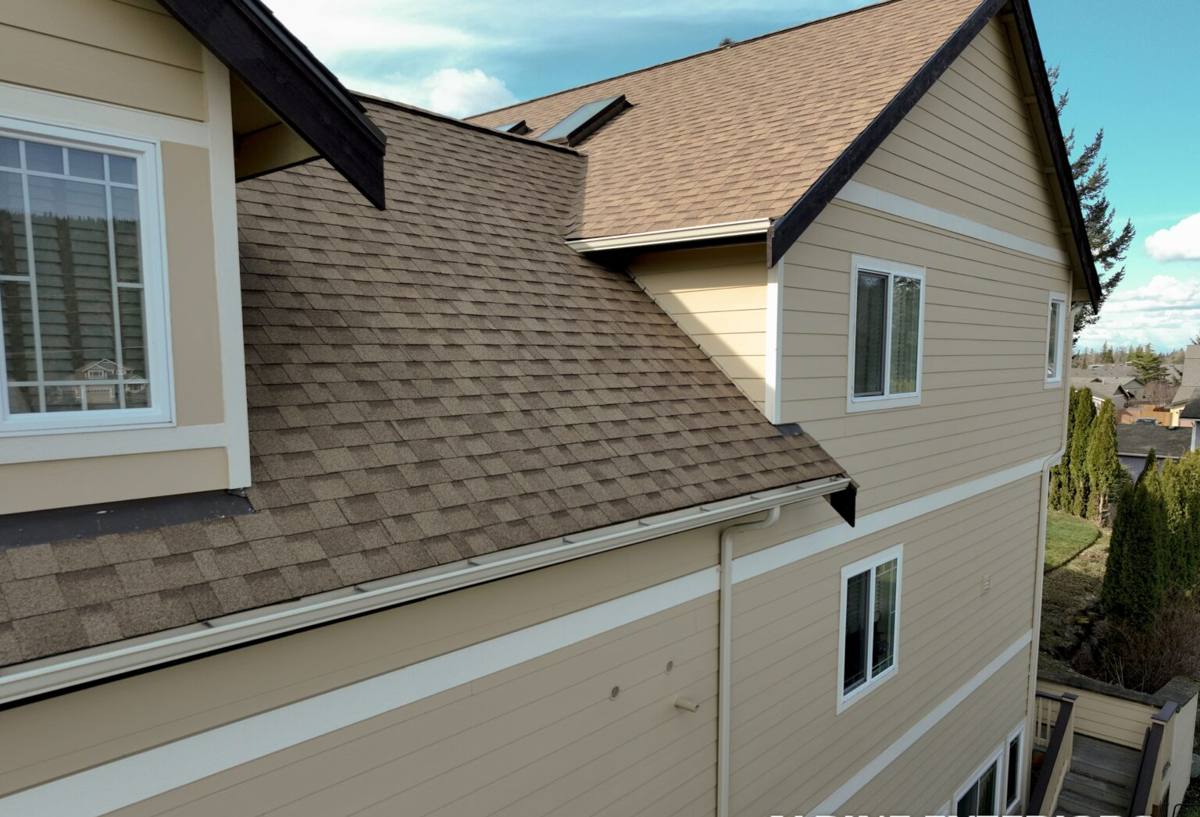
What Lakewood Ranch's Climate Does to a Deck
Lakewood Ranch's climate is subtropical, and every part of that combination puts stress on outdoor structures in a different way:
- Intense, year-round UV breaks down wood fibers and degrades stains and sealers faster than in northern climates — untreated or poorly finished wood grays and splinters within a year or two.
- Heat and humidity swings cause wood to expand and contract repeatedly, which loosens fasteners, opens up joints, and eventually causes boards to cup or crack.
- Wind-driven rain from summer storms and tropical systems gets pushed sideways into ledger connections, stair stringers, and post bases — areas that are often under-protected on decks built without local conditions in mind.
- Hurricane-force wind loads during the June–November storm season put real stress on railing systems, post anchoring, and how the deck frame ties back to the house.
- Standing moisture and poor airflow under a deck, especially on lots with heavier shade or irrigation nearby, invite rot and termites if the substructure isn't ventilated and protected correctly.
None of this means a deck can't be built to last in Sarasota County — it means the details that get skipped in a rushed or generic build are exactly the details that matter most here.
Decking Material Options for Lakewood Ranch Homes
There's no single "right" material for every home — it depends on budget, how much upkeep you want to take on, and the look you're going for. Here's how the common options actually perform in this climate:
| Material | Climate Performance | Maintenance | Typical Lifespan Here |
|---|---|---|---|
| Pressure-treated pine | Affordable, holds up structurally if properly sealed; needs consistent maintenance to resist UV and moisture | Re-seal every 1–2 years | 10–15 years |
| Composite decking | Resists UV fading, moisture, and insects far better than wood; consistent performance in heat and humidity | Occasional cleaning, no sealing/staining | 25–30+ years |
| Tropical hardwood (e.g., ipe) | Naturally dense and rot/insect resistant; still needs oiling to prevent graying and surface checking from UV | Oil 1–2 times a year | 20–25+ years |
| PVC decking | Fully synthetic, excellent moisture and UV resistance, no wood fibers to rot | Very low — occasional cleaning | 25–30+ years |
We'll walk you through the honest trade-offs for your budget and how much maintenance you actually want to do. Composite and PVC cost more upfront but save on labor and material over the life of the deck; pressure-treated wood costs less initially but only holds up if you keep up with sealing on schedule.
Why We're Careful About Certain Wood Products
Some lower-grade treated lumber sold as budget decking is more prone to warping and checking once it's exposed to repeated wet-dry cycles in a climate like ours. That's not a knock on wood decking in general — it's why we're selective about grade and source, and why we're upfront if a cheaper option isn't going to hold its shape here the way it might in a drier region.
Structural Details That Matter Most Locally
Fasteners and Hardware
Standard galvanized fasteners corrode faster in this humidity and salt-influenced air, even well inland. We use stainless steel or coated fasteners rated for coastal/humid exposure, along with corrosion-resistant structural hardware at every connection point — hangers, post bases, and ledger bolts included.
Ledger Attachment and Flashing
The connection between the deck and the house is the single most important structural point and the most common source of water intrusion. We flash this connection properly so wind-driven rain can't work its way behind siding or into the rim joist over time.
Post Footings and Wind Uplift
Florida's wind loads mean post footings and railing attachment need to meet requirements that go beyond what you'd see in calmer climates. We size and set footings to resist uplift and lateral load, and we anchor railings so they don't become the weak point in a storm.
Ventilation Under the Deck
Low decks or decks built close to grade need airflow underneath to keep moisture from sitting against the framing. We grade and vent the substructure so humidity doesn't get trapped where it can feed rot or attract termites.
Permitting and Code Requirements in Sarasota County
Deck construction in Sarasota County requires a permit in most cases, and inspections happen at defined points in the build — typically footings, framing, and final. Requirements cover things like railing height, baluster spacing, stair geometry, and structural connections, all of which are affected by Florida's wind load provisions in the building code. We handle the permitting process as part of the job: pulling the permit, scheduling inspections, and building to the code requirements that apply to your property, so you're not left sorting that out yourself or discovering a problem after the deck is built.
Our Deck Building Process
- On-site assessment — We look at your yard's grade, drainage, sun exposure, and how the deck will tie into the house before recommending a design or material.
- Design and material selection — We go over layout, size, railing style, and material options against your budget and maintenance preference.
- Permitting — We prepare and submit the permit application and schedule the required inspections with the county.
- Site prep and footings — Footings are dug and set to the depth and spacing needed for Florida wind and load requirements.
- Framing — Ledger, joists, and beams go in with corrosion-resistant hardware and proper flashing at every point moisture can enter.
- Decking and railing installation — Boards and railings are installed to manufacturer spec (critical for composite and PVC warranties) and to code for baluster spacing and height.
- Final inspection and walkthrough — We confirm the county sign-off and walk the finished deck with you before calling the job done.
What to Check Before Hiring a Deck Contractor Here
Not every contractor who builds decks has experience with what Sarasota County's climate and code require. Before hiring anyone for a Lakewood Ranch deck project, it's worth confirming:
- They're licensed to do this work in Florida and carry current liability insurance
- They pull permits themselves rather than asking you to do it, or skipping it
- They can explain why they're using the fasteners and hardware they're using — "that's what we always use" isn't the same as understanding humid/coastal-adjacent exposure
- They talk through footing depth and railing anchoring in terms of wind load, not just aesthetics
- They give you a written scope covering material, hardware, and warranty terms — not just a price
- They have experience with the specific material you're choosing (composite installation, for example, has its own fastening and spacing requirements)
Maintaining Your Deck After It's Built
Even a well-built deck needs some upkeep in this climate, though how much depends on the material:
| Task | Wood Decking | Composite/PVC Decking |
|---|---|---|
| Cleaning | Sweep and wash 2–4x/year to prevent mildew buildup | Rinse or wash occasionally; resists mildew staining better |
| Sealing/Staining | Every 1–2 years depending on sun exposure | Not required |
| Hardware Inspection | Check annually for loosened or corroding fasteners | Check annually as part of general upkeep |
| Post-Storm Check | Inspect railings and footings after major storms | Inspect railings and footings after major storms |
We're happy to walk you through a simple maintenance schedule for whatever material you choose, so the deck actually reaches the lifespan it's built for.
Why It Matters to Hire a Crew That Already Works in Lakewood Ranch
A deck built without accounting for Sarasota County's wind, sun, and moisture conditions might look fine at handoff, but the problems it develops show up over the following seasons — not on day one. Working with a crew that already builds decks in this area means the footing depth, fastener choice, flashing details, and railing anchoring are already dialed in for what this climate actually does to a structure, instead of being adapted after the fact. It also means we already know what Sarasota County's permitting and inspection process expects, so there are fewer surprises and delays along the way.
If you're considering a new deck for your Lakewood Ranch home, we're glad to come take a look, talk through material options for your budget, and give you a straightforward, no-pressure estimate. Fill out the form below to get started.