 Sarasota Window
 Roof Replacement in Lakewood Ranch: Built for What Sarasota County Actually Throws at It
Lakewood Ranch sits inland from the coast, but "inland" doesn't mean sheltered. A roof here still has to survive hurricane-force wind gusts, months of intense UV exposure, sideways wind-driven rain, and the salt-laden air that drifts in off the Gulf and settles into everything metal, wood, and asphalt on your property. Add in Sarasota County's afternoon thunderstorm pattern through the summer wet season, and you've got a roof system that's working hard every single day, not just during named storms.
A roof replacement done right for this area isn't just about swapping old shingles for new ones. It's about matching the right materials, fastening methods, and moisture protection to the specific stresses a Lakewood Ranch roof faces year-round. This page covers what that actually looks like — the warning signs, the materials, the process, and what to expect when you hire a crew that already knows this community.
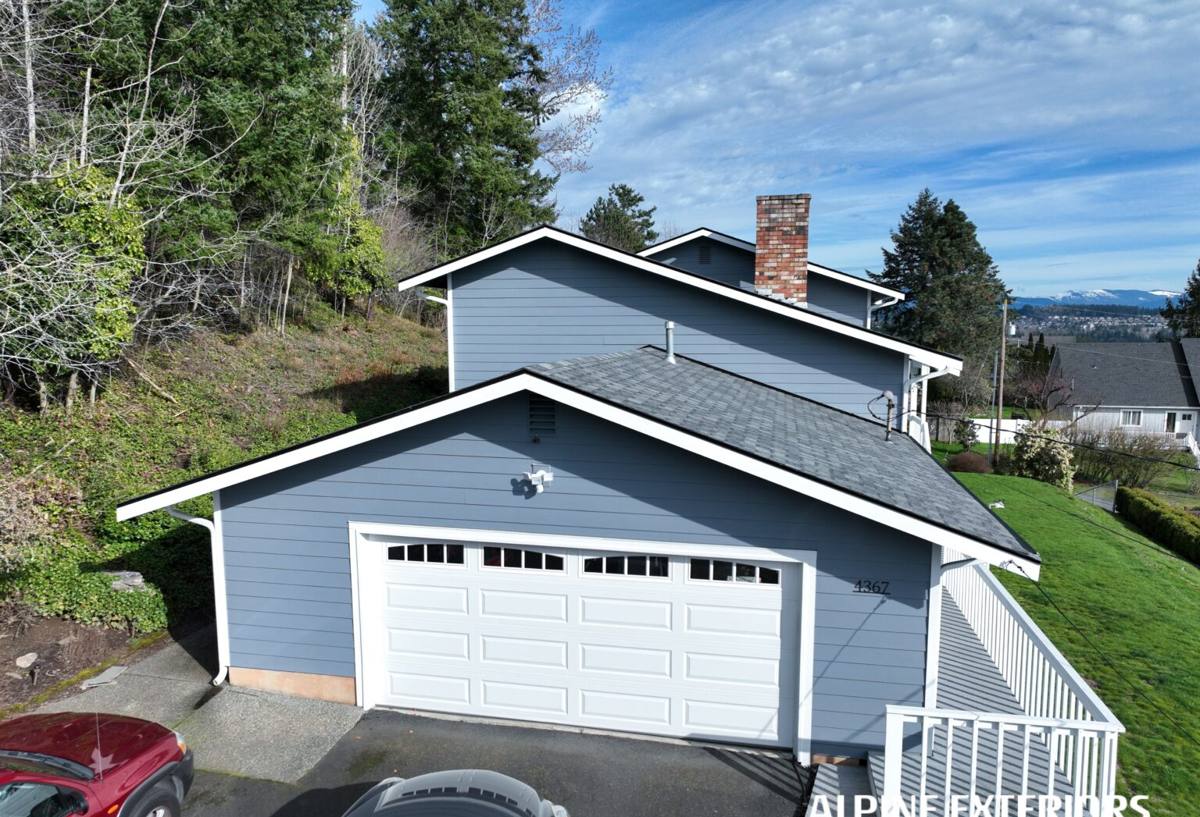
Signs Your Lakewood Ranch Roof Has Reached Replacement Territory
Not every roof problem means a full replacement. But there's a point where patching becomes throwing good money after bad. Knowing the difference saves homeowners real cash.
Age and Material Lifespan
Standard three-tab asphalt shingles in this climate typically run 15-20 years before granule loss and UV brittleness catch up with them. Architectural (dimensional) shingles push that closer to 20-25 years. Concrete or clay tile roofs, common throughout Lakewood Ranch's newer developments, can last 30-50 years — but the underlayment beneath the tile usually needs replacing well before the tile itself does. If your roof is approaching the back half of its material's expected lifespan, a replacement conversation is worth having before a leak forces the issue.
Storm Damage vs. Ordinary Wear
After any significant wind event, it's worth having a roof looked at even if nothing looks obviously wrong from the ground. Lifted or creased shingles, cracked or slipped tiles, exposed nail heads, and granule buildup in gutters are all signs the roof covering has been compromised. Ordinary wear shows up more gradually — curling shingle edges, dark streaking, soft spots on the decking when walked, and daylight visible through the attic at roof penetrations.
What a Correct Roof Replacement Actually Involves
A roof replacement is only as good as what's underneath the visible layer. Homeowners rarely see the parts that matter most, which is exactly why it's worth understanding them before signing a contract.
Deck Inspection and Repair
Once the old roofing material and underlayment come off, the plywood or OSB decking underneath gets inspected board by board. Any wood that's soft, delaminated, or water-stained needs to be replaced before anything new goes down — covering over bad decking is one of the most common shortcuts that leads to early failure.
Underlayment and Secondary Water Barrier
This is the layer that keeps your home dry if wind ever drives water underneath the shingles or tile — which happens more often than most homeowners realize during sideways, wind-driven rain. A synthetic underlayment or self-adhering membrane at eaves, valleys, and penetrations gives the roof a real second line of defense, not just a nod to code minimums.
Flashing at Every Transition
Chimneys, skylights, wall intersections, and roof valleys are where the vast majority of leaks actually originate — not the open field of shingles. Correctly formed and properly lapped flashing at these points matters more to long-term dryness than almost anything else in the job.
Ventilation That Actually Works
Florida attics run hot. Without balanced intake and exhaust ventilation, that heat bakes the underside of the roofing material from below, shortening its life regardless of how good the materials are, and it drives up cooling costs. A replacement is the right time to correct undersized or blocked ventilation, not something to skip to save a step.
Roofing Material Options for Lakewood Ranch Homes
There's no single "best" roofing material — the right choice depends on your home's structure, your HOA's architectural guidelines, and how you weigh upfront cost against long-term maintenance. Here's how the common options compare for this climate:
| Material | Typical Lifespan | Wind Performance | Salt Air / UV Resistance | Maintenance |
|---|---|---|---|---|
| Architectural asphalt shingle | 20-25 years | Good, with proper nailing pattern and rated products | Moderate — UV-stabilized granules help, but sun exposure is the main aging factor | Low; periodic inspection and gutter clearing |
| Concrete or clay tile | 30-50 years | Very good when properly fastened; individual tiles can crack from debris impact | Excellent — tile itself doesn't corrode or UV-degrade | Moderate; underlayment beneath needs replacement mid-life |
| Standing seam metal | 40-50+ years | Excellent; among the highest wind ratings available | Good with coastal-rated coatings and fasteners; needs correct alloy selection near salt air | Low; occasional fastener and sealant checks |
For most Lakewood Ranch homes, the deciding factors come down to what the HOA's design guidelines allow, what the existing roof structure was engineered to support, and how long the homeowner plans to stay in the house. We'll walk through those trade-offs honestly rather than steering toward whatever's easiest to install.
Florida Building Code, Wind Ratings, and HOA Approval
Sarasota County enforces the Florida Building Code's wind-borne debris and uplift requirements, which affect everything from the fastening schedule to the underlayment type to the products that are legally allowed on your roof. A permitted roof replacement here means an inspector signs off on the tear-off, the decking, and the final installation — not just a contractor's word that it's done right.
Lakewood Ranch is also a deed-restricted, master-planned community, and most of its neighborhoods have an architectural review process for exterior changes, including roofing material and color. Submitting for HOA approval takes time, and starting a project without it can mean costly do-overs. Part of doing this job correctly in Lakewood Ranch specifically is knowing to check on that approval process before materials get ordered, not after.
Our Roof Replacement Process
- Inspection and estimate. We assess the current roof, decking condition (where visible), attic ventilation, and any storm damage, and give you a straightforward written estimate.
- Material selection. We go over the options that fit your home, your budget, and your HOA's guidelines, and help you land on the right one — no upsell pressure.
- Permitting. We pull the required Sarasota County permit and handle the paperwork so the job passes inspection.
- Tear-off and deck inspection. Old roofing comes off down to the deck, and any compromised wood gets identified and replaced.
- Underlayment and flashing. The moisture barrier and flashing go in at every valley, penetration, and transition point before any finished roofing material is installed.
- Installation. The new roofing material goes down to manufacturer specifications and Florida Building Code fastening requirements.
- Final walkthrough and inspection. We review the finished roof with you and coordinate the county's final inspection sign-off.
Why Hiring a Crew That Already Works Lakewood Ranch Matters
A roofing crew that's worked in this specific community already knows the HOA submission process, has a sense of the common roof pitches and material mixes in the neighborhood, and understands Sarasota County's permitting office rather than learning it on your project's timeline. That familiarity translates into fewer delays and fewer surprises.
It also matters for insurance. Many Florida homeowners' insurance policies offer premium credits for wind mitigation features — secondary water barriers, specific roof-to-wall connections, impact-rated materials — but only if they're documented correctly at installation. A local crew that handles wind mitigation inspections regularly knows what needs to be photographed and recorded so you can actually claim those credits later, rather than losing them to missing paperwork.
What to Ask Before You Sign a Roof Replacement Contract
- Is the estimate based on an actual inspection of the roof and attic, or a guess from the ground?
- Does the price include full tear-off and deck inspection, or just an overlay?
- What underlayment and flashing materials are specified, and are they rated for this wind zone?
- Will the contractor pull the Sarasota County permit and coordinate the required inspections?
- Does the contractor have experience with your HOA's architectural approval process?
- What does the manufacturer's warranty cover, and what does the workmanship warranty cover separately?
- Is the company licensed and insured in Florida, and can they provide proof on request?
Protecting Your Investment After the Roof Is Replaced
A new roof still benefits from basic upkeep in this climate. Keeping gutters clear so water doesn't back up under the roof edge, trimming back tree limbs that can scrape or drop debris during storms, and having the roof glanced at after any major wind event all go a long way toward getting the full lifespan out of the materials you paid for. Salt air in particular can accelerate corrosion on exposed metal fasteners and flashing over time, so a periodic visual check — even just from the ground with binoculars — helps catch small issues before they become leaks.
If you're weighing whether your Lakewood Ranch home needs a roof replacement or just a repair, we're happy to take an honest look and tell you which one it actually is. Reach out for a free, no-pressure estimate using the form below.