 Sarasota Window
 Siding Built for Lakewood Ranch's Weather, Not Just Its Curb Appeal
Lakewood Ranch homes deal with a specific combination of stress that a lot of siding products simply weren't designed for: hurricane-force wind loads, months of unfiltered Florida sun, wind-driven rain that finds every gap in a wall assembly, and salt-laden air blowing in off the Gulf. Individually, any one of those is manageable. Together, year after year, they separate siding that holds up from siding that fails early — fading, cupping, swelling at the seams, or letting moisture behind the wall where you can't see it until the damage is done.
This page is about one job, done right, for one community: full siding installation on Lakewood Ranch homes. Not a general overview of siding — the specifics of what a correct installation looks like here, why the product matters as much as the labor, and what to expect if you're planning a replacement.
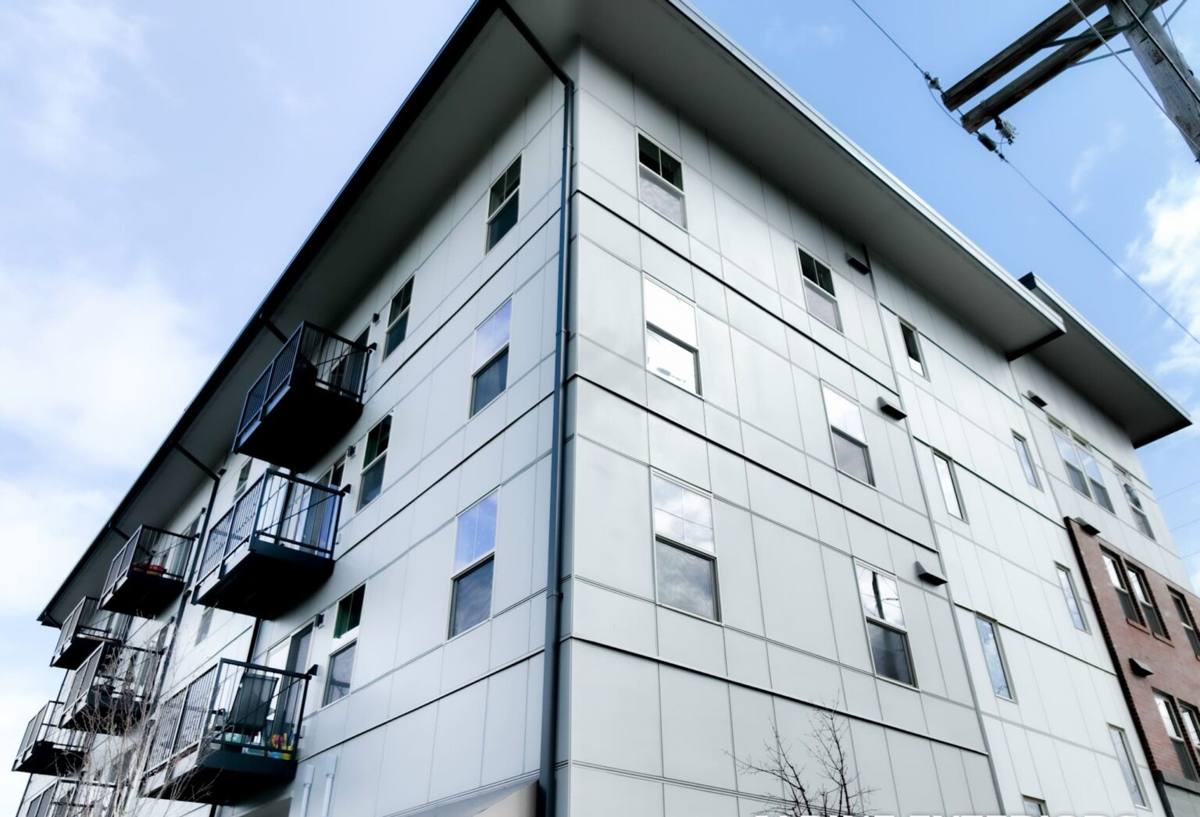
What Lakewood Ranch's Climate Actually Does to Siding
Wind and Storm Pressure
Southwest Florida is built to a higher wind standard than most of the country, and for good reason. During tropical storms and hurricanes, siding isn't just battered by wind — it's subjected to positive and negative pressure that can pull panels away from the wall if fastening and clearances weren't done to spec. A siding job that looks fine on a calm day can fail during the first real storm if it wasn't installed with wind resistance in mind from the start.
UV Exposure
Florida sun is relentless and it's a year-round condition, not a summer one. Painted wood and some engineered wood products chalk, fade, and break down under sustained UV exposure. Factory-applied finishes that are engineered to resist UV degradation hold their color and integrity far longer than field-applied paint.
Wind-Driven Rain
Rain in this region rarely falls straight down. Storms push rain sideways into walls, which means the water-resistive barrier, flashing, and joint details behind the siding matter as much as the siding itself. Most siding failures we see aren't really about the visible material — they're about water getting behind it because a seam, a window transition, or a bottom edge wasn't detailed correctly.
Salt Air
Even homes that aren't waterfront in Lakewood Ranch sit within reach of salt-laden air moving inland from the coast. Salt accelerates corrosion of fasteners and trim, and it degrades materials that aren't rated to handle it. Over years, that exposure adds up.
What a Correct Siding Installation Involves
Siding installation is often sold as a cosmetic upgrade, but the work that actually protects a home happens in the layers you don't see once the job is finished.
- Tear-off and substrate inspection: old siding comes off and the sheathing underneath gets inspected for rot, delamination, or prior water damage before anything new goes up.
- Water-resistive barrier: a continuous weather barrier is installed and lapped correctly so water sheds outward, not into the wall cavity.
- Flashing at every penetration: windows, doors, vents, and other wall penetrations get properly integrated flashing so wind-driven rain can't work its way behind the siding.
- Correct fastening pattern: nail or screw type, spacing, and placement matter for wind performance — this is not a place to cut corners or rely on guesswork.
- Proper clearances: siding held to the manufacturer's minimum clearance from grade, roofing, and decks prevents wicking moisture that leads to early failure at the bottom edge.
- Joint and seam treatment: butt joints, corners, and trim transitions sealed and finished according to the manufacturer's installation instructions, not a generic approach.
Skip any one of these steps and the siding may still look right for a season or two. The problems show up later, usually as a repair bill that's larger than it would have been if the job had been done correctly the first time.
Why We Install Only James Hardie Fiber Cement Siding
We made a deliberate decision to install one siding system: James Hardie fiber cement. We don't install vinyl, LP SmartSide, Cemplank, Allura, or primed wood siding, and we're upfront about why.
Vinyl siding is affordable and low-maintenance in mild climates, but it softens and can distort under sustained heat, and in high wind events it's more prone to cracking or blowing off than fiber cement when installed under the same conditions. Engineered wood products like LP SmartSide use wood-strand cores that, while treated, are still wood — vulnerable to moisture intrusion at cut edges and seams if caulking and maintenance aren't kept up perfectly, which is a hard standard to hold in a humid coastal climate over the long term. Primed wood and cedar require the most ongoing maintenance of all — regular repainting and sealing to keep moisture out, which is a real ongoing cost most homeowners underestimate when they're comparing upfront prices.
James Hardie fiber cement is cement, sand, and cellulose fiber — it doesn't burn, it doesn't rot, and it isn't attractive to pests. Hardie's ColorPlus finish is baked on at the factory under controlled conditions, which is why it resists fading and chipping far better than a field-applied paint job. And Hardie engineers specific product lines — the HZ5 designation, for example — for hot, humid, high-moisture climates like ours, rather than selling one product nationwide and hoping it holds up everywhere.
What Comes With the Product
James Hardie backs its siding with a strong, transferable limited warranty on the substrate and a separate finish warranty on ColorPlus products — real coverage from a manufacturer that's been in the fiber cement business for decades, not a startup guarantee. That combination — climate-engineered material, factory finish, and manufacturer backing — is why it's the only siding we put on a home.
Our Installation Process
Every Lakewood Ranch project follows the same sequence, because skipping steps is where problems start.
- On-site assessment: we walk the exterior, check the current siding and substrate condition, and look at trim, window, and roofline transitions before quoting anything.
- Product and profile selection: lap width, texture, and color are chosen based on the home's style and what holds up best in direct coastal sun exposure.
- Tear-off and prep: old siding removed, sheathing inspected and repaired as needed, water-resistive barrier installed.
- Flashing and detailing: windows, doors, and penetrations flashed before a single piece of siding goes up.
- Installation to manufacturer spec: fastening, clearances, and joint treatment follow James Hardie's published installation guidelines, not a generalized approach.
- Final walkthrough: we inspect the completed job with you before calling it done.
What Affects the Cost of a Siding Job
Every home is different, so we don't quote prices without seeing the project, but these are the factors that move the number up or down.
| Factor | Why It Matters |
|---|---|
| Home size and wall area | More square footage means more material and labor hours |
| Current siding removal | Tear-off complexity varies by what's currently on the wall and its condition |
| Substrate repairs | Rotted or damaged sheathing found during tear-off adds material and labor |
| Siding profile and texture | Lap width and surface texture options are priced differently |
| Trim and architectural detail | Corners, window surrounds, and accent trim add labor time |
| Home height and access | Multi-story sections or difficult access require more setup and safety equipment |
Why Local Experience in Lakewood Ranch Matters
Lakewood Ranch is a community of planned neighborhoods, and many of them have community association guidelines that govern exterior color palettes, siding styles, or approval processes before work begins. A crew that regularly works in this area knows to ask about those requirements upfront, rather than finishing a job and finding out it needs to be resubmitted or altered. Local experience also means understanding how homes here are typically built — the substrate types, common trim details, and roofline transitions we see repeatedly — so there are fewer surprises once tear-off starts.
Beyond logistics, local familiarity also means knowing what the climate actually does to homes in this specific part of Southwest Florida over time, rather than applying generic installation practices that might be fine somewhere drier or calmer.
Signs Your Lakewood Ranch Home May Need New Siding
- Visible warping, buckling, or cupping in siding panels
- Cracking or splitting, especially near seams and corners
- Soft spots or discoloration that suggest moisture behind the siding
- Paint or finish that's chalking, peeling, or fading unevenly
- Rising energy bills that may point to a compromised building envelope
- Visible gaps at trim, window, or door transitions
- Siding that's more than 20-25 years old, nearing the end of its practical service life
Any one of these on its own might just need a repair. Several at once, or damage that keeps recurring in the same spot, usually means it's time to talk about full replacement before the underlying structure is affected.
Maintaining Siding in a Coastal Climate
James Hardie siding is low-maintenance compared to wood or vinyl, but "low-maintenance" doesn't mean "no maintenance" in a climate like this one. A periodic rinse to clear salt residue and airborne debris, prompt attention to any caulking that starts to separate at joints or trim, and keeping an eye on areas where sprinklers or landscaping keep siding consistently wet all go a long way toward getting the full service life out of the material. None of this requires much time or expense — it's mainly about not letting small issues sit long enough to become bigger ones.
If your Lakewood Ranch home's siding is showing its age or you're planning ahead for storm season, we're happy to take a look and give you an honest, no-pressure assessment of what it needs. Fill out the form below to schedule a free estimate.