 Sarasota Window
 Board & Batten on a Barrier Island Is a Different Job
Longboat Key sits on a narrow barrier island between Sarasota Bay and the Gulf of Mexico, which means every exterior surface on every home here is dealing with a harsher version of Florida weather than homes even a few miles inland. Board and batten siding — the vertical-plank-and-strip look that shows up on coastal cottages, Old Florida-style homes, and modern builds alike — is a popular choice on the Key because the strong vertical lines suit both traditional and contemporary architecture. But the profile itself doesn't protect a house. The material behind it, and the way it's installed, is what determines whether that siding is still doing its job in five years or peeling, cupping, and rotting at the seams.
This page is specifically about board and batten siding for Longboat Key homes: what the island's climate demands from it, what a correct installation actually involves, and why we install this profile in one material only — James Hardie fiber cement.
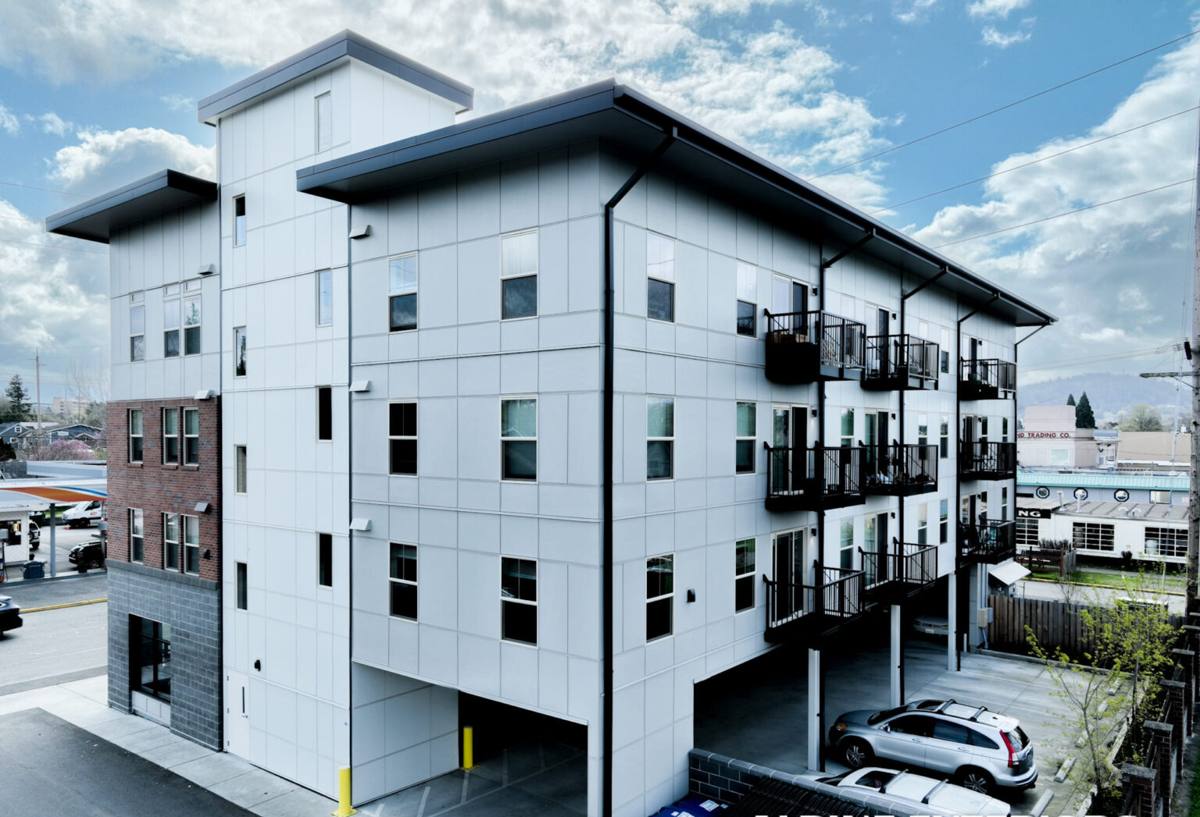
What Longboat Key's Climate Does to Board and Batten Siding
Hurricane-Force Wind Loads
Being on a barrier island, Longboat Key sees higher sustained wind exposure than mainland Sarasota, both from seasonal storms and routine Gulf-driven weather. Board and batten siding has more vertical seams and batten strips than lap siding, and every one of those seams is a place wind and wind-driven rain can find a way behind the cladding if fasteners, spacing, or flashing were done wrong. A profile with this many joints has to be installed with real attention to fastening pattern and edge detail, or it becomes the weak point in the wall assembly during a storm.
Intense, Nearly Constant UV
South Florida sun is relentless, and homes on the Key get it reflected off open water on top of direct exposure. UV breaks down pigments and resins in lesser siding materials, which is why painted wood and some engineered wood products chalk, fade, and need repainting on a much shorter cycle here than the same product would inland or up north.
Salt Air and Corrosion
Salt-laden air off the Gulf and the bay accelerates corrosion in fasteners, trim, and any metal flashing detail. It also has a way of finding porous or poorly sealed siding materials and speeding up moisture absorption at the surface, which matters even before a drop of rain hits the wall.
Wind-Driven Rain
Florida rain rarely falls straight down during a squall — it comes in sideways, driven by wind, and it finds every gap, unsealed joint, and undersized overlap. For a vertical siding profile like board and batten, the horizontal joints where courses stack (if the wall height requires more than one board length) and the top/bottom terminations are the highest-risk spots for water intrusion.
Why We Only Install James Hardie Board and Batten
We don't offer board and batten in vinyl, LP SmartSide, primed spruce, cedar, or other fiber cement brands. That's a deliberate standard, not a limitation on style. On a barrier island environment like Longboat Key, the material behind the profile matters more than almost anywhere else in the region.
Non-Combustible Core
James Hardie board and batten panels are fiber cement — a mix of cement, sand, and cellulose fiber — which does not burn, warp from heat, or provide fuel the way wood-based products can. That's a meaningful difference in a state where wildfire risk exists inland and where insurance underwriting increasingly looks at exterior material class.
Engineered for This Exact Climate
Hardie's HZ10 product line is engineered specifically for hot, humid, high-moisture climates like Florida's Gulf Coast — it's formulated to resist moisture-related damage and to hold up under sustained heat and humidity better than a general-purpose formulation would. That's the line we specify for Longboat Key installs.
Factory-Applied ColorPlus Finish
Rather than field-painting board and batten after installation, Hardie's ColorPlus finish is baked on at the factory in multiple coats, formulated to resist UV fade and hold color and adhesion far longer than a job-site paint job — which matters enormously under the sun exposure barrier-island homes get. It also means fewer repaint cycles over the life of the siding.
A Warranty Backed by the Manufacturer
James Hardie backs its siding with a strong, transferable limited warranty, and the ColorPlus finish carries its own separate finish warranty. That warranty structure only holds up, though, when the product is installed to Hardie's published specifications — which is exactly why installation quality is the other half of this page.
What a Correct Board and Batten Installation Involves
Board and batten fails prematurely almost never because of the material and almost always because of installation shortcuts. On Longboat Key specifically, we pay close attention to a handful of details that matter more here than in a milder climate.
Rainscreen or Furred Assembly
Where conditions call for it, we install siding over a furring strip or rainscreen gap rather than directly against the weather barrier. That gap lets any moisture that does get behind the cladding drain and dry out instead of sitting against the wall sheathing — important in a climate this humid.
Fastener Selection and Pattern
Corrosion-resistant fasteners, placed at the spacing and edge distance Hardie specifies, are non-negotiable in salt air. Under-fastening or using the wrong fastener type is a common shortcut that shows up years later as loose boards or battens working free in high wind.
Joint and Seam Treatment
Every vertical seam between boards, and every point where a batten crosses a joint, has to be flashed, sealed, or lapped correctly per Hardie's fastening and joint guidelines. This is the step that most affects wind-driven rain performance.
Flashing at Penetrations and Terminations
Windows, doors, hose bibs, light fixtures, and the top and bottom terminations of the siding field all need proper flashing integration — not just caulk. Caulk is a maintenance item, not a waterproofing strategy, and it's the first thing that fails in this UV and salt environment.
Board and Batten vs. Other Siding Options for Longboat Key
| Factor | James Hardie Board & Batten | Vinyl | Engineered Wood (LP-type) | Natural Wood/Cedar |
|---|---|---|---|---|
| Non-combustible | Yes | No | No | No |
| Salt air / corrosion resistance | Strong when installed to spec | Can become brittle over time in UV/heat | Moisture-sensitive at edges and cuts | Requires ongoing sealing/staining |
| Factory color finish | ColorPlus, UV-formulated | Color molded-in, can fade | Field-painted or factory-primed | Field-painted or stained |
| Repaint/refinish cycle | Long, finish-warrantied | N/A, but fades | Shorter, moisture-driven | Shortest, highest upkeep |
| Manufacturer warranty | Strong, transferable | Varies widely | Varies, moisture exclusions common | Typically none |
This isn't a claim that other materials can't be installed correctly or won't perform for a time. It's why, after weighing these trade-offs for barrier-island exposure specifically, board and batten in James Hardie fiber cement is the only version of this profile we put our name on.
Our Process, From Estimate to Finished Wall
- On-site assessment of the existing wall assembly, current siding condition, and any moisture or rot found during removal.
- Review of board width, batten spacing, and reveal to match the home's architecture and HOA or community design guidelines common on the Key.
- Confirmation of the correct Hardie product line and ColorPlus color, plus trim and corner detailing.
- Permitting through the applicable local building department, with installation meeting Florida Building Code wind provisions for this coastal area.
- Tear-off, sheathing inspection and repair as needed, and installation of house wrap or weather barrier before any new siding goes on.
- Furring/rainscreen installation where called for, followed by board and batten installation to Hardie's fastening and joint specifications.
- Final flashing, sealant, and trim work, followed by a walk-through before we consider the job complete.
Maintenance Checklist for Longboat Key Homeowners
James Hardie board and batten is low-maintenance compared to wood-based sidings, but "low-maintenance" isn't "no-maintenance" — especially in this environment. A short annual routine catches problems while they're still small.
- Rinse salt residue off the siding surface periodically, especially on Gulf-facing walls.
- Inspect caulk lines around windows, doors, and penetrations once a year and after major storms.
- Look for any hairline gaps opening at seams, corners, or trim boards.
- Check that gutters and downspouts are directing water away from the base of the siding rather than pooling against it.
- Keep irrigation heads and sprinklers from spraying directly on the siding surface, which shortens the life of any exterior finish.
- Report any soft spots, discoloration, or staining at the base of walls promptly rather than waiting for a scheduled inspection.
Permitting and Wind Requirements on Longboat Key
Siding work on Longboat Key falls under the Florida Building Code's wind-load provisions for this coastal zone, and depending on the property, may also fall under local architectural or design review given the island's mix of municipalities and community associations. We handle the permitting process as part of the job and make sure the installation approach — fastening schedule, product selection, and flashing details — is documented to meet what inspectors and, where applicable, HOA reviewers expect to see on a barrier island property.
Why It Matters That We Already Work on Longboat Key
Barrier island jobs come with logistics that don't apply on the mainland: limited bridge access during peak season traffic, tighter lots, more homes under HOA or architectural review, and a building environment where inspectors and neighbors alike expect work done to a higher standard than average. A crew that already works Longboat Key regularly knows the access patterns, has already been through the permitting process with the relevant jurisdiction, and understands what a wind- and salt-tested board and batten installation actually needs to look like on this specific island — not just in a general Sarasota County context.
If you're considering board and batten siding for a home on Longboat Key, we're glad to walk the property, look at what's there now, and talk through what a James Hardie installation would involve for your specific house. There's no pressure and no cost to get an estimate — just a straight answer about what the job needs.