 Sarasota Window
 Why Longboat Key Siding Wears Out Faster Than Inland Homes
Longboat Key sits on a narrow barrier island between the Gulf of Mexico and Sarasota Bay, and that position changes what siding has to survive. Homes just a few miles inland deal with Florida heat and rain. Homes on the Key deal with that plus a near-constant salt-air environment, higher sustained wind loads off open water, and UV exposure that doesn't let up for most of the year. None of that is unique to any one street or neighborhood on the island — it's the baseline for anything built this close to the Gulf.
Salt air is the part homeowners underestimate most. It doesn't just sit in the air near the beach — it travels on wind and settles on every exterior surface, including siding, trim, fasteners, and flashing. Over years, that salt exposure accelerates corrosion in metal components and breaks down caulking and sealants faster than the same products would fail in Sarasota proper. Add wind-driven rain during storms, which pushes water sideways into laps and seams that were never designed to handle water moving that direction, and you get a maintenance profile that's genuinely different from the mainland.
None of this means Longboat Key siding is doomed to fail — it means repairs here have to account for conditions that a generic patch job ignores. A repair that would hold up fine in a sheltered inland neighborhood can fail within a season on the Key if it doesn't account for wind, salt, and moisture together.
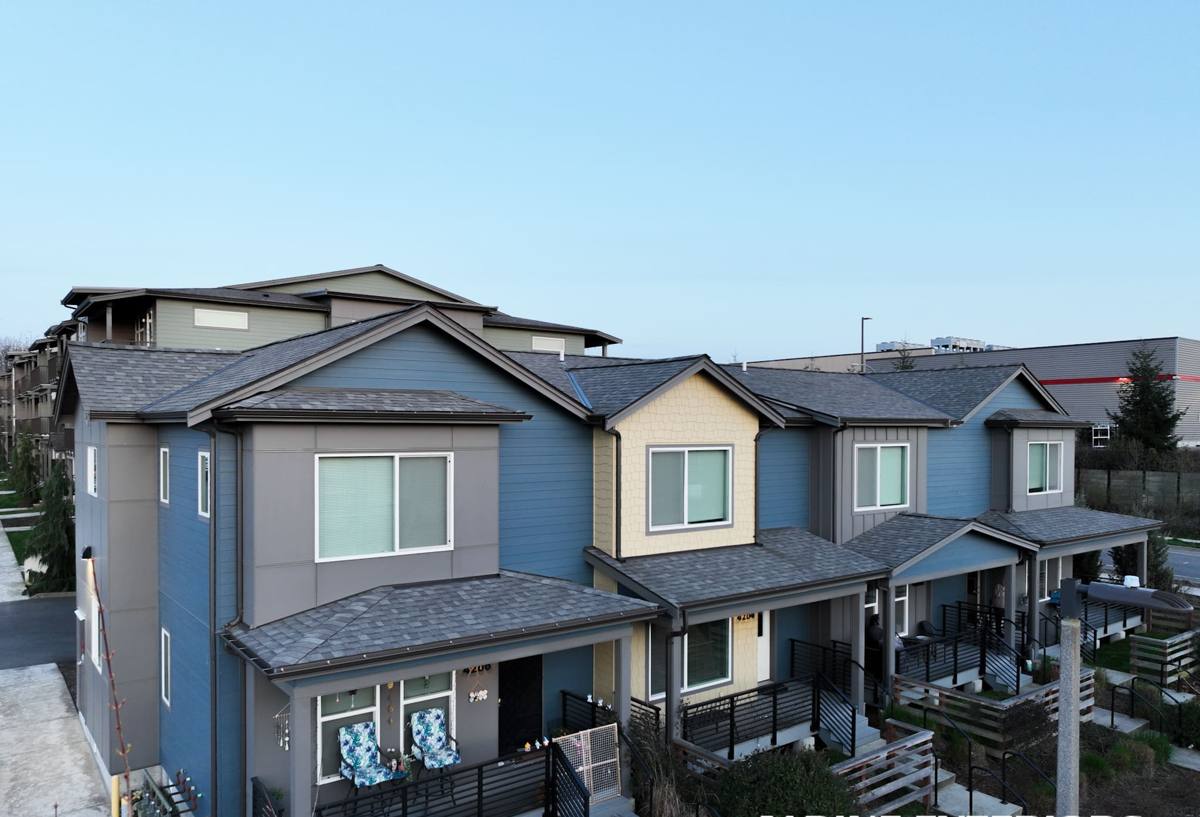
Signs Your Siding Needs Repair, Not Just a Look
Some siding damage is obvious — a cracked panel after a storm, a section that's visibly pulled away from the wall. Other damage is quieter and shows up as symptoms elsewhere in the house before the siding itself looks obviously wrong. On barrier island homes, we treat these as reasons to schedule an inspection rather than wait:
- Soft or spongy spots when you press on the siding, especially near the bottom courses or around window and door trim
- Visible gaps, buckling, or panels that have separated slightly from the wall line
- Persistent staining or streaking that doesn't wash off, particularly below seams or fasteners
- Peeling or bubbling paint/finish concentrated on one side of the house — usually the side that takes the most wind and salt spray
- Rust streaks running down from nail heads or trim fasteners
- Interior drywall or trim near exterior walls showing discoloration, bubbling, or a musty smell
- Higher-than-usual pest activity along the base of exterior walls, which often points to moisture-softened material
Any one of these can be minor. Several together, or any sign paired with interior symptoms, usually means water has already found a way behind the siding — and that changes the scope of the repair from cosmetic to structural.
What a Correct Siding Repair Actually Involves
A siding repair that only replaces the visible damaged piece and stops there is a temporary fix. On a coastal island property, that approach tends to fail again within a couple of storm seasons because it doesn't address why the damage happened in the first place. A repair done correctly works through the assembly, not just the surface.
Diagnosing the Real Cause
Cracked or buckled siding is usually a symptom, not the root problem. Before we replace anything, we look at what's behind it: whether the house wrap or weather barrier is intact, whether flashing around windows, doors, and penetrations is doing its job, and whether the original installation left gaps that let water track in over time. Replacing a damaged board without fixing a failed flashing detail just buys you a repeat repair.
Checking for Hidden Moisture Damage
Once siding is off, we check the sheathing and framing underneath for soft spots, discoloration, or rot. On a barrier island home, we're also more attentive to fastener corrosion at this stage — salt-air exposure can weaken metal components well before the siding itself shows obvious wear.
Matching and Reinstalling
Replacement pieces need to match the existing siding's profile, reveal, and finish as closely as possible, and they need to be installed with proper clearances, fastening patterns, and sealant details — not just nailed back into the same holes. Water management details (drip caps, kick-out flashing, proper caulking at trim joints) get rebuilt as part of the repair, not left as-is.
Repair or Replace? How We Make the Call
Not every damaged section needs a full re-side, and not every home with a few bad boards is a good repair candidate. The honest answer depends on how much of the wall assembly is affected and how old the existing siding already is.
| Factor | Leans toward repair | Leans toward replacement |
|---|---|---|
| Extent of damage | Isolated to one or two sections | Spread across multiple walls or elevations |
| Underlying sheathing | Dry, solid, no rot found | Soft, discolored, or rotted in multiple spots |
| Age of existing siding | Well within expected service life | Already near or past its expected lifespan |
| Cause of damage | One-time event (storm impact, isolated flashing failure) | Systemic issue (original install defects, chronic moisture) |
| Material match | Discontinued or mismatched product not a major concern | Existing product can't be matched acceptably |
When we open a wall for repair and find the underlying issue is bigger than what's visible from the outside, we'll tell you plainly rather than patch over it. On a coastal home, deferring that conversation usually costs more later than addressing it now.
Why We Repair With James Hardie Fiber Cement — Not Vinyl or Wood
We install and repair with James Hardie fiber cement siding exclusively. We don't install vinyl, LP SmartSide, or wood siding products, and that standard shapes how we approach repair work too.
Vinyl siding softens, warps, and becomes brittle under sustained heat and UV — conditions Longboat Key has in abundance — and it has real limits on the wind loads it's rated to handle, which matters directly on an island exposed to open Gulf wind. Wood and wood-composite products need consistent paint and caulk maintenance to keep moisture out, and in a salt-air, high-humidity environment that maintenance schedule gets demanding fast, with moisture intrusion being the most common failure point we see in older wood siding on coastal homes. James Hardie fiber cement is non-combustible, dimensionally stable under heat and humidity swings, and its ColorPlus factory finish is baked on and warranted against fading and cracking — which holds up better under the UV and salt exposure specific to barrier island living.
Matching Existing Hardie Siding
If your home already has James Hardie siding, repairs are the more straightforward case: we can source matching profiles and, where the finish has aged, work with you on the closest available ColorPlus match or a repaint approach for the repaired section so it blends rather than standing out as an obvious patch.
When the Damaged Siding Isn't Hardie
If your home currently has vinyl, wood, or another fiber cement brand, we'll be straightforward about your options: a like-for-like patch to keep the immediate cost down, or converting the damaged wall section (or the full home, if the damage is extensive) to James Hardie so you're not fighting the same maintenance issues again in a few years. We'll lay out the honest tradeoffs of each rather than push one option.
Our Process on Longboat Key Homes
Assessment and Estimate
We start with a full exterior walkthrough, not just a look at the section you called about. Damage on a coastal home rarely shows up in only one spot, so we check trim, flashing, and adjacent siding runs while we're there. You get a clear scope and price before any work starts.
Scheduling Around Weather
Siding repair means the wall is temporarily open to the elements, so we plan the work around the weather window rather than starting and hoping conditions hold — particularly important during Gulf Coast storm season when conditions can change quickly.
The Repair Itself
We remove the damaged material, inspect and correct what's underneath, rebuild flashing and water-management details where needed, and install matched replacement siding with proper fastening and sealant work.
Cleanup and Walkthrough
We clean up debris and fasteners from the work area and walk the finished repair with you so you can see exactly what was done and why, including anything we found underneath that's worth knowing about even if it wasn't part of the original scope.
Working Within Longboat Key's Building and HOA Requirements
A lot of Longboat Key properties, whether single-family homes or units within a condominium or homeowners association, fall under architectural review requirements that govern exterior changes, including siding work. We factor that into scheduling from the start — getting the right approvals in place before work begins avoids delays partway through a project. Coastal construction in this part of Sarasota County also falls under Florida Building Code provisions for wind and fastening in coastal wind zones, which affects how repair work is fastened and detailed, not just how new construction is built. We handle the permitting and code side of this as part of the job so you're not left tracking it down yourself.
Protecting the Repair After We Leave
A correct repair should last, but a little upkeep goes a long way on a barrier island property specifically because of the salt air and UV load. A short, realistic maintenance routine keeps a repair from becoming a recurring one:
- Rinse siding periodically with fresh water to clear accumulated salt residue, especially on Gulf-facing walls
- Inspect caulking around trim, windows, and doors annually and re-caulk any joints that have opened up
- Keep gutters and downspouts clear so water isn't overflowing onto siding below the roofline
- Trim back landscaping that traps moisture against exterior walls
- After any major storm, do a visual check of siding, trim, and flashing for new damage before it has months to worsen
None of this requires a professional visit every time — it's mostly a matter of not letting small issues sit until they become bigger ones.
Get a Straight Read on Your Siding
If you're seeing damage, staining, or soft spots on your Longboat Key home's siding, it's worth having someone look before it spreads further. We offer free, no-pressure estimates — we'll tell you honestly whether you're looking at a repair or something bigger, with no obligation either way. Use the form below to get a time on the calendar.