 Sarasota Window
 New-Construction Windows for Southside Village Homes
Southside Village sits close to downtown Sarasota, and it's one of those neighborhoods where you see everything at once: original 1920s-through-1950s bungalows sitting next to newer infill homes, additions, and full rebuilds. When a house in this part of Sarasota County goes up new or gets a ground-up window package installed as part of a build, the windows aren't just a finish item — they're structural openings in the building envelope, and Southside Village's mix of older lots and newer construction means every project comes with its own set of details to get right.
New-construction window work is a different trade than swapping out an old window in an existing wall. It happens earlier in the build sequence, it involves the rough opening and the weather-resistive barrier, and it has to pass inspection before drywall or stucco ever goes up. Get it wrong and the problem doesn't show up until the next heavy rain, or the next storm.
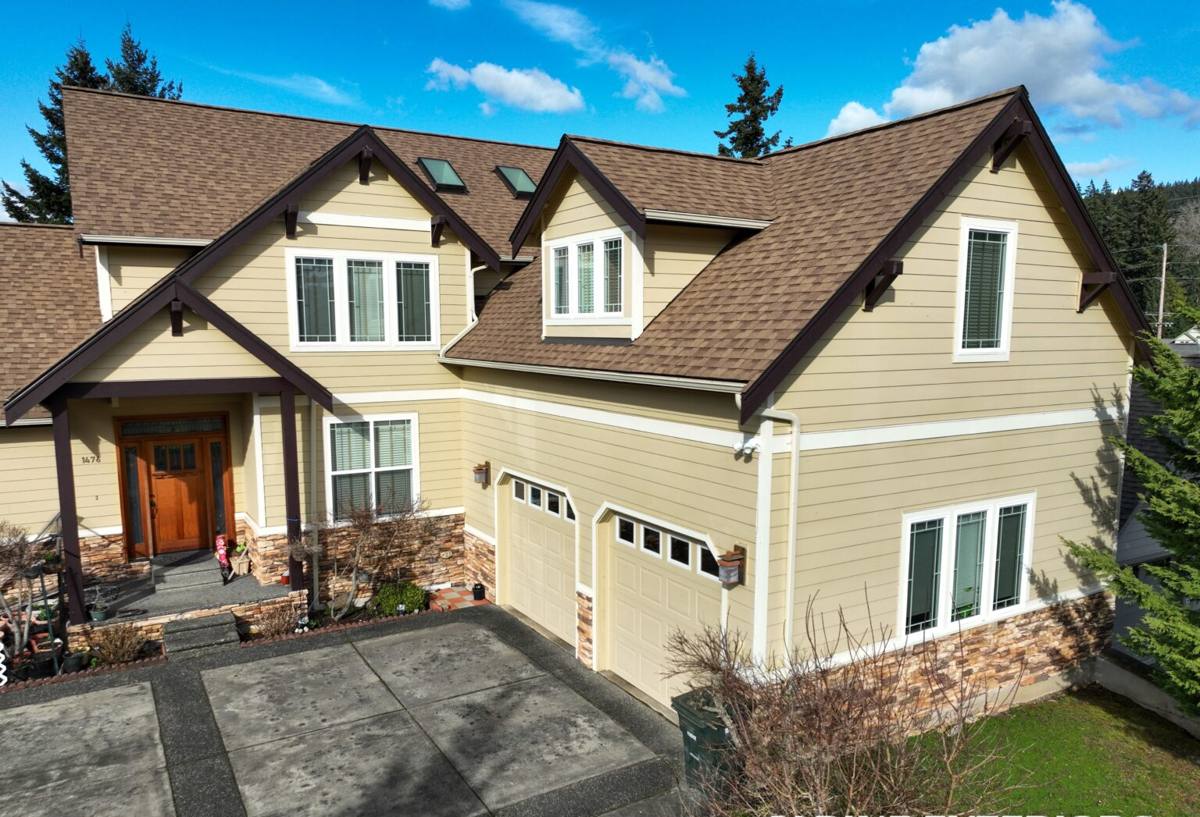
Why New-Construction Installation Is a Different Job
A replacement window goes into an opening that already has a working frame, flashing, and finished wall around it. New-construction windows go into a bare opening — often a wood-framed rough opening or a concrete block (CBS) opening, which is the dominant wall type for new builds and additions in this part of Florida. There's no existing frame to lean on. The window, the flashing, the water barrier, and the wall finish all have to be sequenced correctly, in the right order, by people who know what inspectors and building science both require.
This matters more in Sarasota than in a lot of places. Between the humidity, the wind-driven rain, and the intensity of the sun here, a new opening that's flashed or sealed wrong doesn't fail quietly — it fails as a leak, a mold issue behind the wall, or a warped frame within a few years, not a few decades.
What Sarasota's Climate Demands From a New Window
Every window we install in Southside Village has to hold up against the same combination of stresses that hits the rest of Sarasota County:
- Hurricane-force wind: openings need to resist both sustained wind pressure and windborne debris impact.
- Wind-driven rain: storms here don't just fall straight down — rain gets pushed sideways into walls and openings, so flashing and drainage details matter as much as the window itself.
- Year-round UV: Florida sun is hard on frame materials, seals, and glass coatings, all year, not just in summer.
- Salt air: proximity to the Gulf and Sarasota Bay accelerates corrosion on hardware, fasteners, and lower-grade metal components.
None of these are edge cases — they're the baseline environment every window in this neighborhood lives in. A window rated and detailed for a dry, inland climate simply doesn't hold up the same way here.
Florida Building Code, Wind-Borne Debris, and Product Approval
Sarasota County falls within Florida's wind-borne debris region, which means new construction openings generally need to meet a specific design-pressure rating and either be impact-rated or paired with approved opening protection. Every window we install carries current Florida product approval (or Miami-Dade NOA where applicable) documentation matched to the specific design pressure required for that home's location, height, and exposure — not a generic "hurricane window" claim.
On a new build, this gets checked at multiple points: plan review, rough-in inspection, and final. Windows that aren't correctly labeled, or that aren't installed per the manufacturer's tested installation instructions, can hold up a certificate of occupancy. We coordinate documentation and installation details specifically so that doesn't happen.
What correct product approval actually covers
Approval isn't just about the glass. It ties together the frame, the glazing method, the anchoring pattern, and the specific wall substrate (wood frame vs. CBS) the window is tested for. Swapping any one of those without re-checking the approval can technically invalidate it, even if the window "looks" the same.
Our Installation Process, Start to Finish
New-construction window work follows a sequence, and skipping steps is where most long-term problems start:
- Rough opening verification — confirming size, square, and structural framing match the approved window before anything is set.
- Weather-resistive barrier integration — house wrap or equivalent barrier lapped correctly with the opening, top to bottom, so water sheds outward.
- Sill pan flashing — a sloped, sealed pan at the bottom of the opening so any water that gets past the window drains back out instead of sitting against wood framing or block.
- Setting and anchoring the window — per the manufacturer's tested fastening schedule, not a generalized "typical" pattern.
- Flashing tape and sealant at the jambs and head — creating a continuous drainage plane around the full perimeter.
- Interior and exterior sealant — backer rod and sealant sized correctly, not just a bead of caulk over a gap.
- Final inspection walk-through — checking operation, seal integrity, and code compliance before the opening gets covered by finish materials.
On CBS construction, which is common for new builds and additions in Southside Village, the anchoring and sealing details around block openings differ from wood-framed openings — different fasteners, different sealant joints, different tolerances. We treat these as separate installation methods, not interchangeable steps.
Choosing Frame Material and Glass
There's no single "best" window for every project — it depends on the home's style, budget, and how exposed the opening is to sun and weather. Here's how the common options compare for a Sarasota new-construction job:
| Frame Material | Strengths | Trade-offs Here |
|---|---|---|
| Vinyl | Cost-effective, low maintenance, good insulator | Can expand/contract with heat; quality varies a lot by manufacturer |
| Aluminum | Strong, slim sightlines, common on modern builds | Conducts heat; needs a thermal break and corrosion-resistant hardware near the coast |
| Fiberglass | Very stable in heat, low expansion, long-lasting | Higher upfront cost |
| Wood-clad | Fits historic-style bungalow architecture | Higher maintenance burden in humid, salt-air conditions |
On the glass side, impact-rated laminated glass is standard for wind-borne debris compliance, and we pair it with a Low-E coating suited to Florida's climate zone — cutting solar heat gain without darkening the room more than homeowners want. Tint and coating choices affect both energy performance and how the glass looks from the street, which matters on a neighborhood block where homes are close together.
Cost Factors on a New-Construction Job
Pricing on new-construction window packages depends on more variables than a single replacement window would. Broad factors that move the number:
| Factor | Why It Matters |
|---|---|
| Number and size of openings | Larger and more numerous openings mean more material, labor, and flashing detail |
| Wall substrate | CBS openings involve different anchoring and sealant work than wood-framed openings |
| Design pressure requirement | Higher-rated openings (larger sizes, more exposed locations) generally cost more per unit |
| Frame material | Vinyl, aluminum, fiberglass, and wood-clad carry different material costs |
| Glass package | Impact laminated glass plus specific Low-E coatings adds cost over base glazing |
| Site coordination | Working alongside a GC's schedule on a live build can affect labor sequencing and cost |
We give homeowners and builders a written, itemized quote before work starts — no vague per-window estimate that leaves out flashing, sealant, or disposal.
Working With Builders, Designers, and Homeowners
A fair amount of new-construction window work in this neighborhood comes through general contractors managing a build or a major renovation, not directly through the eventual homeowner. We're used to working inside someone else's construction schedule — showing up at the rough-in stage when the opening is ready, coordinating with the WRB and stucco or siding subs so flashing sequencing doesn't get skipped, and being available for the inspections that come with it. If you're a homeowner managing your own project or working with a designer on a renovation, we'll walk you through the same sequence in plain terms so you know what's supposed to happen before the walls close up.
A short checklist before you sign off on any window package
- Does the quote list the specific product approval or NOA number for each window size and location?
- Is sill pan flashing explicitly included, not assumed?
- Does the installer specify the fastening schedule for your wall type (wood frame vs. CBS)?
- Is the glass package's design pressure rating matched to that specific opening, not a blanket number for the whole house?
- Will the installer be present for the inspections tied to window rough-in and final?
Why a Crew That Already Works Southside Village Matters
Southside Village has its own rhythm — narrower older lots next to newer builds, mature tree canopy that affects access and staging, and a mix of building eras that means no two rough openings look quite the same. A crew that's already worked jobs in this part of Sarasota knows how Sarasota County's permitting and inspection process typically runs, how to sequence around tight lot access, and how to keep a job moving without surprises showing up mid-build. That familiarity shows up as fewer inspection delays and fewer callbacks — not because the work is different, but because the planning around it is.
If you're building, adding on, or coordinating windows for a project in Southside Village, we're happy to walk the plans or the site with you and put together a straightforward, itemized estimate — no pressure, no obligation.