 Sarasota Window
 Roof Repair Built for Nokomis Conditions
Nokomis sits close enough to the Gulf that salt air, humidity, and storm winds are part of daily life for every roof in the neighborhood. Whether your home is a few blocks from the water or further inland near US-41, the roof over your head is dealing with the same basic stressors: intense year-round UV breaking down shingle mat and sealant, wind-driven rain forcing its way under flashing and shingle edges, and salt-laden air accelerating corrosion on every metal component up there. None of that is unique to any one house — it's the baseline every roof in Sarasota County has to survive, year after year.
Roof repair here isn't just patching a leak and moving on. A repair that doesn't account for what caused the damage in the first place tends to fail again within a season or two, especially once storm season winds start testing every seam and fastener. Good repair work in Nokomis means understanding why Gulf Coast roofs fail and fixing that root cause, not just the symptom a homeowner happens to notice from the driveway.
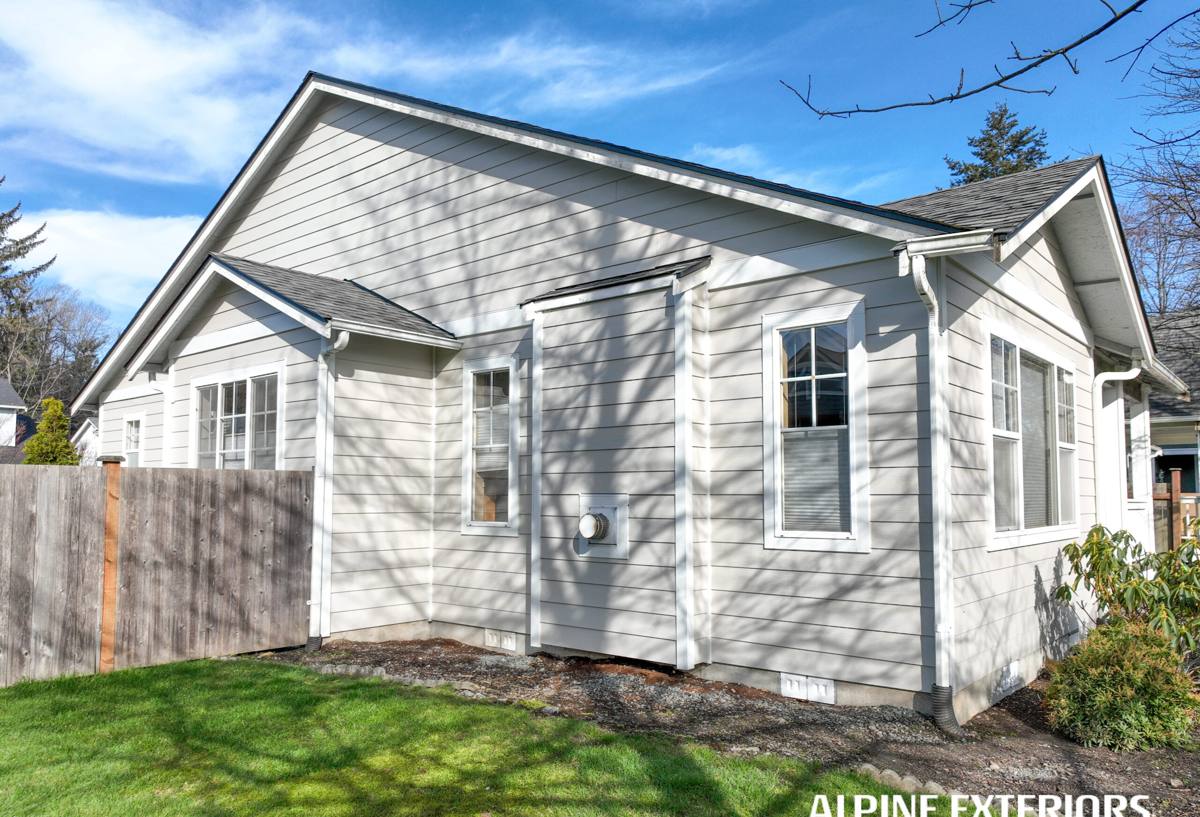
What Actually Damages Roofs in This Area
Hurricane-Force Wind and Gusts
Even outside of a named storm, Sarasota County sees regular high-wind events that lift shingle tabs, work fasteners loose, and stress ridge caps. Once a shingle edge lifts even slightly, wind gets underneath it on the next blow and the damage compounds — what starts as one loose tab can become a section of missing shingles after two or three windy afternoons.
Year-Round UV Exposure
Florida doesn't give roofing materials an off-season. Constant sun exposure dries out asphalt shingles, breaks down the oils that keep them flexible, and causes granule loss that leaves the underlying mat exposed. UV also degrades rubber pipe boots and sealants faster here than almost anywhere else in the country, which is why those small components fail well before the shingles themselves do.
Wind-Driven Rain
Straight-down rain rarely causes leaks on a roof in good condition. Wind-driven rain is a different problem — it gets pushed sideways and upward under shingle edges, around chimneys, and through any flashing that isn't sealed tight. This is the mechanism behind most of the "mystery leaks" homeowners find weeks after a storm, when water that entered during heavy wind finally works its way through the decking and shows up as a stain on a ceiling.
Salt Air and Corrosion
Being near the coast means airborne salt settles on every exposed surface, including roof vents, flashing, fasteners, and gutter hardware. Salt accelerates rust on unprotected metal, and once flashing starts corroding, it stops doing its job of keeping water out at roof penetrations and valleys — even if the shingles around it still look fine.
Signs a Nokomis Roof Needs Repair
Most roof problems give some warning before they turn into an interior leak. Homeowners who catch these signs early usually end up with a smaller, cheaper repair.
- Missing, curling, or cracked shingles, especially after a windy stretch
- Granules collecting in gutters or at the base of downspouts
- Soft or discolored spots on interior ceilings, particularly after rain
- Visible daylight through the attic decking or roof boards
- Rusted or lifting flashing around chimneys, skylights, and vent pipes
- Sagging sections of roofline or decking that feels spongy underfoot
- Cracked or brittle rubber boots around plumbing vents
- Debris or granule buildup in valleys where two roof planes meet
If you're seeing more than one or two of these, it's worth having a roof looked at before the next storm rather than after.
What a Correct Repair Actually Involves
A roof repair done right starts with figuring out why the damage happened, not just patching what's visible. That usually means:
- Inspection of the full roof, not just the area where the leak or damage was reported — wind and water damage often show up somewhere other than where the interior symptom appears.
- Checking the decking underneath for soft spots or rot, since a shingle repair over damaged decking won't hold up.
- Replacing damaged shingles with matching material where possible, tying new work into the existing roof rather than leaving an obvious patch.
- Resealing or replacing flashing and boots at every penetration nearby, since these are the most common repeat-failure points.
- Checking fasteners for wind-related loosening, which is easy to miss on a surface-level look.
- Confirming the repair against local code for wind resistance, which matters for both durability and insurance purposes.
Skipping any of these steps is how a "repaired" roof ends up leaking again during the next windstorm.
Repair vs. Replacement: How to Tell Which You Need
Not every damaged roof needs to come off. But an aging roof with widespread wear is often better served by replacement than by chasing repairs one at a time. Here's how we help homeowners think through it.
| Factor | Favors Repair | Favors Replacement |
|---|---|---|
| Roof age | Under 10-12 years | Approaching or past expected lifespan |
| Damage extent | Isolated to one area or slope | Spread across multiple sections |
| Granule loss | Minimal, localized | Widespread, shingles look bald |
| Decking condition | Solid, no rot found | Soft spots or rot in multiple areas |
| Storm history | First significant damage event | Repeated storm damage over the years |
| Insurance claim | Minor claim, targeted fix | Adjuster scope already includes full replacement |
When a roof is on the fence between the two, we'll say so directly. There's no benefit to us in talking a homeowner into a bigger job than the roof actually needs.
How Our Repair Process Works
1. On-Site Inspection
We walk the roof (or use a drone where a walk-on inspection isn't practical) and document the full condition — not just the spot the homeowner called about. This includes checking flashing, valleys, vents, and the attic side where accessible.
2. Straightforward Estimate
You get a written scope of what needs to be done and why, with repair and replacement options laid out separately if the roof is borderline. No pressure to upsell a repair into a full tear-off if the roof doesn't call for it.
3. The Repair Itself
Work is scheduled around weather — we don't open up a roof section ahead of a wind or rain event. Materials are matched to your existing roof as closely as possible so repairs don't stand out as an obvious patch job.
4. Cleanup and Walkthrough
We clear the job site of old materials and debris, including a magnetic sweep for stray nails in the yard and driveway, and walk the completed work with you before we consider the job done.
Materials and Methods We Use
What goes into a repair matters as much as the labor. For Gulf Coast conditions, we lean toward materials and methods that are proven to hold up rather than whatever's cheapest to source.
| Component | Standard Approach | Why It Matters Here |
|---|---|---|
| Shingles | Matched to existing manufacturer/line where available | Consistent wind rating and appearance across the roof |
| Flashing | Corrosion-resistant metal, properly lapped and sealed | Salt air corrodes lower-grade metal faster near the coast |
| Underlayment (where exposed) | Synthetic, self-adhering at vulnerable areas | Better secondary water barrier under wind-driven rain |
| Fasteners | Corrosion-resistant nails, correct pattern for wind zone | Reduces long-term loosening from repeated wind cycling |
| Sealants | UV-rated products rated for Florida sun exposure | Standard sealants break down faster under constant UV |
Why a Crew That Already Works Nokomis Matters
Roofing companies that regularly work this part of Sarasota County already know how local roofs age — which flashing details tend to fail first, which shingle lines hold up to the salt air, and what a typical wind-damage pattern looks like on this stretch of the Gulf Coast. That familiarity shows up in faster, more accurate diagnosis and fewer surprises once a repair is underway.
There's also a practical local-response piece to it. After a wind event, response time matters — a tarped roof left exposed for days invites secondary water damage that turns a repair into a much bigger job. A crew already working in and around Nokomis can typically get eyes on a damaged roof faster than a company dispatching from further away.
Local permitting and inspection familiarity helps too. Sarasota County has specific requirements around wind mitigation and roofing work, and a crew that pulls permits here regularly moves through that process without the delays an out-of-area contractor might run into.
Protecting Your Repair Going Forward
A roof repair holds up longer with a little basic upkeep. We recommend:
- A visual roof check after any significant wind event, even if nothing looks obviously wrong from the ground
- Keeping gutters and valleys clear of debris so water has a clear path off the roof
- Trimming back tree limbs that overhang the roofline, which reduces abrasion and debris buildup
- An annual inspection, ideally before hurricane season ramps up each year
- Addressing small issues — a lifted shingle, a cracked boot — before they turn into a leak
None of this requires a contractor visit every time. It's mostly about catching small problems while they're still small, which is the cheapest kind of roof maintenance there is.
Get a Straight Answer on Your Roof
If you're dealing with a leak, storm damage, or just want a professional opinion on a roof that's starting to show its age, we're happy to take a look. We'll give you an honest read on whether you're looking at a repair or something bigger, with no pressure either way. Request a free, no-obligation estimate using the form below and we'll get you scheduled.