 Sarasota Window
 Siding That Has to Work Harder in Osprey
Osprey sits in that stretch of Sarasota County where the bay, the barrier islands, and the open Gulf all shape what a house has to survive. Homes here deal with salt-laden air drifting in off the water, long stretches of intense subtropical UV, wind-driven rain that finds every gap in a building envelope, and the real possibility of hurricane-force gusts during the season. Siding is the first line of defense against all of it, and not every siding product is built for that combination of stress. We install James Hardie fiber cement siding exclusively, and in a community like Osprey, that choice is about more than color and style — it's about what will actually hold up over the next fifteen, twenty, thirty years.
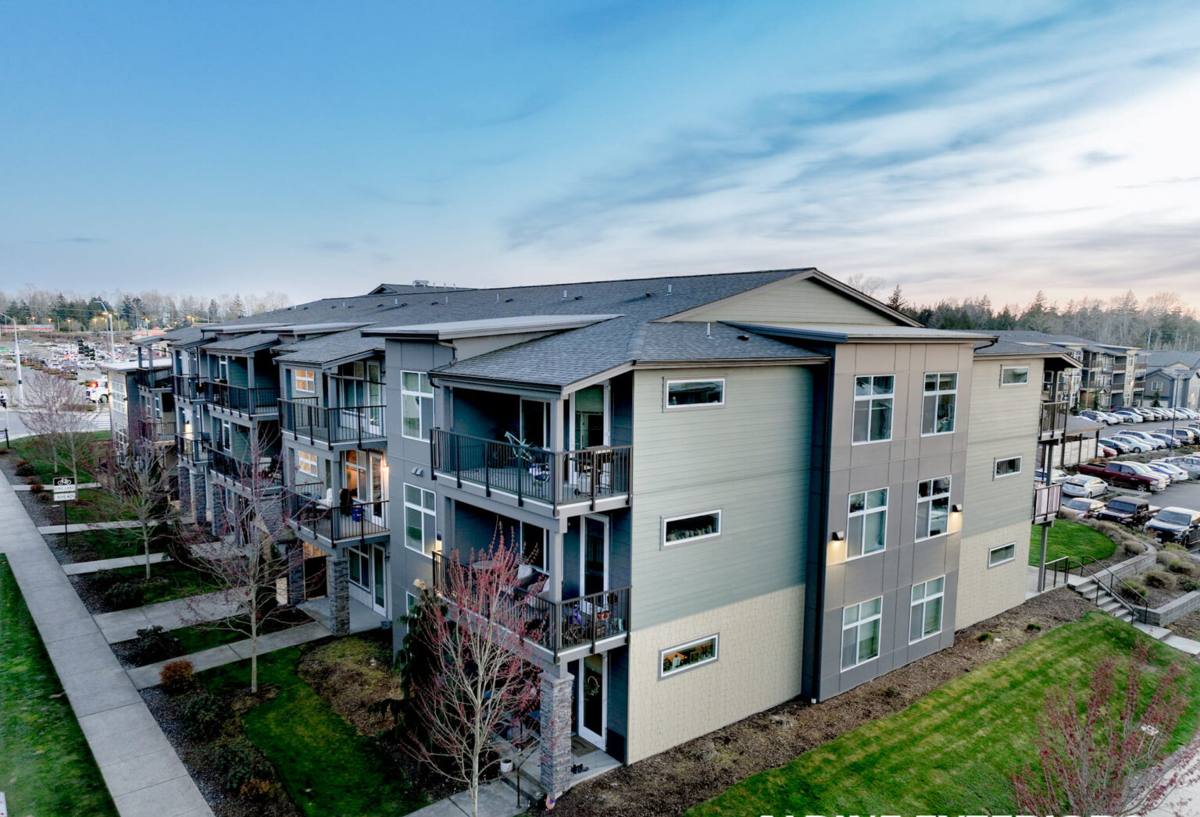
What Osprey's Climate Actually Does to Siding
It helps to be specific about the mechanisms at work, because "Florida weather is tough on houses" undersells what's actually happening on an exterior wall.
Salt Air and Moisture
Proximity to Little Sarasota Bay and the Gulf means airborne salt settles on exterior surfaces even on calm days. Combined with Sarasota County's humidity, that salt accelerates corrosion of fasteners and trim, and it degrades paint films and coatings faster than it would in a drier, inland climate. Siding materials that rely on surface paint alone — rather than a factory-baked finish — tend to show fading, chalking, and peeling sooner near the coast.
UV Exposure
Florida gets more direct sun hours per year than most of the country, and UV breaks down pigments and binders in paint and coatings. A siding product that looks great at installation can look tired within a few years if its finish wasn't engineered for this level of sun exposure.
Wind-Driven Rain
Afternoon storms in this part of the state don't fall straight down — they come in sideways, driven by Gulf breezes and, during hurricane season, by tropical systems. That means siding and the water-resistive barrier behind it need to shed water that's actively being pushed into seams, laps, and penetrations, not just water running downhill.
Wind Load
Osprey isn't immune to tropical storm and hurricane wind events. Siding has to stay fastened and intact under sustained high wind and gusts, and it has to resist wind-borne debris impact without cracking or shattering.
Why We Install Only James Hardie in This Market
We made a decision as a company to install James Hardie fiber cement exclusively — not LP SmartSide, not vinyl, not Cemplank or Allura, not primed wood. That's a real trade-off we're upfront about: Hardie costs more upfront than vinyl, and it's heavier and less forgiving to install than engineered wood products. But in a climate like Osprey's, those upfront differences pay for themselves in what doesn't happen over the next two decades.
Fiber cement is non-combustible, which matters for insurance and for peace of mind. It doesn't expand and contract with humidity swings the way wood-based products can, so it holds paint lines and joints better over time. James Hardie's ColorPlus finish is baked on in a factory-controlled process, not brushed or sprayed on site, which gives it meaningfully better fade and chip resistance against the UV load this area sees. And Hardie engineers specific product lines — its HZ5 line, for instance — for high-humidity, storm-prone climates, which is a direct answer to the salt air and wind-driven rain problem described above.
What a Correct Installation Involves
Fiber cement siding is only as good as the installation behind it. A rushed or generic install undermines the material's advantages, and in coastal Sarasota County that shows up faster than it would elsewhere. A correct job on an Osprey home includes:
- Removal of failing siding and inspection of the sheathing underneath for hidden moisture damage or rot before anything new goes up
- A properly lapped and sealed water-resistive barrier, since this is the layer actually keeping wind-driven rain out of the wall assembly
- Correct flashing at every window, door, and penetration — the details where most siding failures actually originate
- Fastener spacing, type, and placement that meet James Hardie's published installation specifications, which is also what keeps the manufacturer's warranty valid
- Proper clearance between the siding's bottom edge and grade, roofing, decks, and patios to prevent wicking moisture
- Correct joint and seam treatment using Hardie-approved caulk and touch-up products so the factory finish isn't compromised at the cuts
Skipping any of these steps doesn't usually cause an obvious problem on day one. It shows up two, five, or ten years later as a moisture issue, a fastener stain, or a section that's failed while the rest of the wall is fine — which is exactly the kind of localized failure that's expensive and frustrating to diagnose after the fact.
A Common Mistake We See
One of the most frequent issues we find when we're called out to inspect existing siding in this area is inadequate flashing around windows and doors that were replaced or added after the original siding install. Water finds those gaps, and by the time it's visible as a stain or soft spot on the interior wall, there's often been damage building for a while. Getting the flashing details right the first time is far cheaper than fixing what happens when they're wrong.
Our Process for an Osprey Siding Project
We approach every siding job in this area the same structured way:
- On-site assessment — we look at your current siding, the sheathing condition where accessible, trim and flashing details, and any signs of past moisture intrusion.
- Product and profile selection — we walk through James Hardie's plank, shingle, and panel options and ColorPlus color choices so the finished look fits the home and the neighborhood.
- Written scope and estimate — a clear breakdown of what's being removed, what's being repaired underneath if needed, and what's being installed, with no vague allowances.
- Prep and removal — old siding comes off, sheathing gets inspected and repaired as needed before anything is closed back up.
- Barrier and flashing installation — the water management layer goes in correctly, since this is the part that matters most and shows the least once the siding is on.
- Hardie installation to manufacturer spec — proper fastening, spacing, and joint treatment, done to the standard that keeps the warranty intact.
- Final walkthrough — we go over the finished work with you before we consider the job done.
Why Hiring a Crew That Already Works This Area Matters
Osprey sits close enough to open water and barrier islands that building conditions here differ from what a crew working strictly inland deals with. A contractor who regularly works Sarasota County's coastal zip codes already knows how to detail flashing for wind-driven rain, understands local wind exposure categories, and has a feel for how salt air affects fastener choice and long-term appearance. That familiarity isn't cosmetic — it's the difference between a siding job that's built for this specific environment and one that's built to a generic national standard and hoping it holds up.
It also matters for warranty support. James Hardie's product warranty and workmanship warranties depend on correct installation. A crew that installs Hardie regularly and knows the local inspection and permitting process is in a better position to get the details right the first time and to stand behind the work if a question comes up down the road.
Cost Factors to Understand Before You Budget
Every Osprey home is different, so we don't quote pricing without seeing the project, but these are the variables that actually move the number:
| Factor | Why It Matters |
|---|---|
| Home size and wall complexity | More corners, gables, and dormers mean more cutting, flashing, and labor time |
| Condition of existing sheathing | Hidden rot or moisture damage found during removal adds repair scope |
| Product line and profile | HZ5 lap siding, shingle-style panels, and trim boards carry different material costs |
| ColorPlus vs. field-painted finish | Factory-finished ColorPlus costs more upfront but eliminates a repaint cycle for years |
| Access and site conditions | Landscaping, fencing, and building height affect setup and labor time |
| Removal and disposal of old siding | Volume and type of material being removed adds to labor and dump fees |
Maintenance Once It's Installed
Part of what makes James Hardie a sound long-term choice for this climate is how little upkeep it demands compared to alternatives. Periodic rinsing to remove salt residue and pollen, prompt caulk touch-ups at seams if they ever separate, and keeping an eye on paint condition at cut edges are about the extent of it. There's no repainting the whole house every few years, and no swelling, splitting, or insect vulnerability to manage the way there is with wood-based siding products.
If you're weighing a siding replacement or repair in Osprey, we're happy to take a look and give you a straight answer about what your home needs. Reach out for a free, no-pressure estimate — we'll assess your current siding, walk you through options, and give you a clear, honest scope before any work begins.