 Sarasota Window
 Window Installation Built for Osprey's Climate
Osprey sits on the Gulf side of Sarasota County, which means every window on your house is doing more work than a window would in most parts of the country. It's holding back wind-driven rain during summer storms, standing up to hurricane-force gusts during the season that runs June through November, and taking a daily beating from intense UV and salt-laden air the other eleven months of the year. A window that's correctly rated, correctly sized, and correctly installed handles all of that without a second thought. A window that's slightly wrong in any one of those areas becomes a slow, expensive problem — usually one you don't notice until water shows up somewhere it shouldn't.
We install windows in Osprey and the surrounding Sarasota area on a regular basis, which matters more than it might sound. This isn't a market where you can install the same window the same way you would in a drier, calmer climate and expect the same results. Local experience means knowing which details actually matter here and which ones are just upsells.
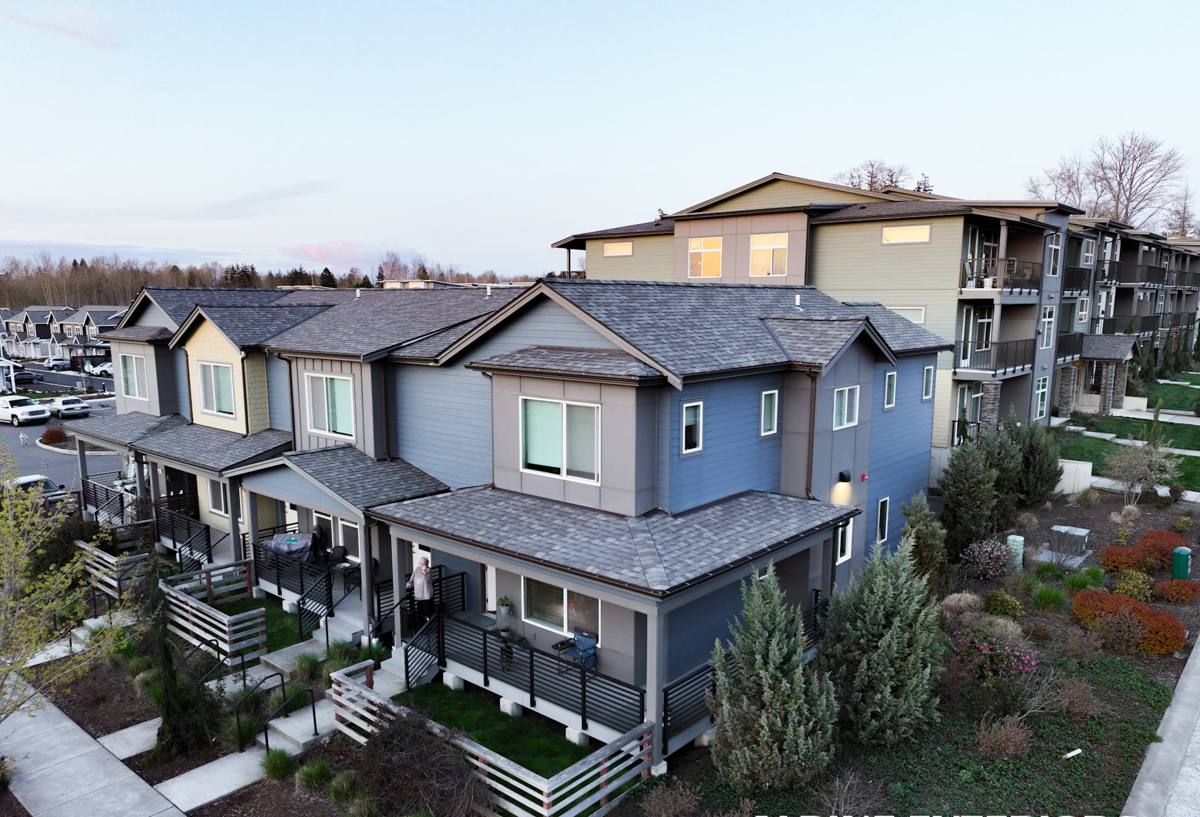
What Osprey Homes Are Actually Up Against
Wind and Pressure
Sarasota County falls within Florida's High-Velocity Hurricane Zone design considerations for coastal wind exposure, and Osprey's location near the Gulf and Intracoastal puts homes squarely in that exposure. Windows here need to meet the wind load and impact requirements set by current Florida Building Code for this region — not a generic national standard. That's a pressure rating question, not just a "hurricane glass or not" question, and it's specific to your home's height, exposure category, and location on the lot.
Wind-Driven Rain
During tropical storms and hurricanes, rain doesn't fall straight down — it gets driven sideways at speed, and it will find any gap in a window's flashing, sealant, or frame fit. A window can be rated for the correct pressure and still leak if the installation details around it are off. Most water intrusion problems we're called out to inspect trace back to installation, not the window unit itself.
UV Exposure
Florida sun is hard on vinyl frames, seals, and glazing over time. Lower-quality frames can warp, discolor, or become brittle years before they should. This is why frame material and glass coating matter as much as the brand name on the box.
Salt Air
Being close to the Gulf and the Intracoastal Waterway means airborne salt settles on and around your home constantly. It's harder on hardware, fasteners, and certain finishes than inland air. Corrosion-resistant hardware isn't a luxury upgrade near the coast — it's a baseline requirement if you want the window operating smoothly ten years from now.
What a Correct Window Installation Involves
A window installation done right in this climate isn't just "remove old window, set new window, caulk the edges." Here's what actually needs to happen:
- Confirming the correct pressure and impact rating for your specific home based on current Florida Building Code requirements for this part of Sarasota County
- Inspecting the rough opening for rot, moisture damage, or structural issues before anything new goes in
- Installing proper flashing and a continuous drainage path so any water that does get past the exterior surface has somewhere to go besides your wall cavity
- Using the correct fasteners and anchoring method for the wall construction (block, frame, or a mix, which is common in older Osprey homes that have been added onto over the years)
- Sealing with the right sealant for Florida's heat and humidity swings, applied in the right locations — not just smeared around the trim
- Verifying the window operates correctly, locks fully, and sits square in the opening before calling the job done
- Cleaning up and disposing of old materials, including proper handling of old glazing and frame material
Skip any one of these steps and you might not see a problem for a year or two. Then a hard summer storm comes through and you're dealing with water stains, soft drywall, or a window that won't latch properly under wind pressure.
Our Process, Start to Finish
1. On-Site Assessment
We come out and actually look at your home — the age of your current windows, the construction type, sun exposure, and any signs of existing moisture issues. We're not measuring from a satellite photo.
2. Product Recommendation
Based on that assessment, we recommend window options that meet the wind and impact requirements for your home's specific situation, along with frame materials and glass packages that make sense for the exposure your home actually gets.
3. Written Estimate
You get a clear, itemized estimate before any work begins. No vague allowances, no surprise change orders for things we should have caught during the assessment.
4. Installation
Our crew removes the old units, inspects and repairs the opening as needed, and installs the new windows following the flashing, sealing, and anchoring steps outlined above — not a shortcut version of them.
5. Final Walkthrough
We check every window with you before we consider the job finished: operation, locks, seals, and appearance.
Choosing the Right Window for a Gulf-Adjacent Home
There's no single "best" window for every Osprey home — it depends on your budget, how exposed your home is to direct wind and rain, and whether you're replacing one or two windows or doing a full-home project. The table below covers the main factors we walk homeowners through.
| Factor | Why It Matters Here |
|---|---|
| Impact rating vs. impact glass + shutters | Impact-rated windows protect the opening on their own; non-impact windows need approved shutters or panels to meet code protection requirements |
| Frame material | Vinyl, aluminum, and fiberglass each handle UV and salt air differently — durability and maintenance needs vary |
| Glass coating (Low-E) | Reduces heat gain and UV transmission, which matters for both comfort and cooling costs in Sarasota's climate |
| Hardware finish | Corrosion-resistant hardware holds up longer this close to the Gulf |
| Installation method | New-construction vs. retrofit/pocket installation depends on your existing wall and window frame condition |
Why a Local Crew Matters for This Job
Window installation is a job where local, hands-on experience shows up in the details. A crew that regularly works in Osprey and greater Sarasota County knows the permitting process for this jurisdiction, understands which wind and impact ratings actually apply to homes in this area, and has seen firsthand what happens when installations are done without accounting for our specific rain and wind patterns. That's not something you get from a crew that mostly works installations somewhere with a milder climate and just happens to have a truck in the area this month.
We also stand behind the work itself. If something about the installation isn't right, you're not chasing down a call center — you're talking to the people who did the job.
Signs It's Time to Replace, Not Repair
- Visible daylight, air movement, or water intrusion around the frame
- Windows that are difficult to open, close, or lock — often a sign the frame has shifted or warped
- Foggy or cloudy glass between panes, which means the seal has failed
- Soft or discolored drywall, trim, or flooring near a window after storms
- Frames that are original to a home built before current wind and impact codes took effect
- Noticeably higher cooling bills with no other explanation
Permits and Code Compliance
Window replacement in Sarasota County generally requires a permit, and inspections confirm the installed products and installation method meet current Florida Building Code requirements for this wind zone. This isn't paperwork for its own sake — it's the mechanism that confirms your home is actually protected the way it's supposed to be, and it protects you if you ever sell the home and a buyer's inspector checks for permitted work. We handle the permitting process as part of the job rather than leaving it for the homeowner to sort out.
Maintenance After Installation
A correctly installed window in this climate still benefits from basic upkeep. Rinsing frames and hardware periodically helps clear salt residue before it accumulates. Checking weep holes (the small drainage openings along the bottom of the frame) to make sure they're clear keeps water moving out instead of pooling. And a quick visual check after major storms — looking for new gaps, cracked sealant, or difficulty operating the window — catches small issues before they become bigger ones.
If you're weighing window replacement for a home in Osprey, we're happy to come take a look and give you a straightforward, no-pressure estimate — just fill out the form below to get started.