 Sarasota Window
 Asphalt Shingle Roofing in Palmer Ranch
Palmer Ranch sits inland from the barrier islands but close enough to Sarasota Bay and the Gulf that homes here still take a beating from salt-laden air, intense sun, and the wind-driven rain that rolls through with almost every summer storm. A roof in this neighborhood does more work than a roof in most parts of the country, and asphalt shingles remain one of the most practical, cost-effective ways to handle that work when the system underneath them is installed correctly. This page covers what that actually means for a Palmer Ranch home — not generic roofing advice, but what matters for this specific area of Sarasota County.
Asphalt shingles are popular here for good reason: they're affordable relative to tile or metal, widely available in wind-rated products, and easy to repair in sections if storm damage or a fallen limb only affects part of a roof. The trade-off is that the shingles themselves are only as good as the deck, underlayment, flashing, and ventilation installed beneath them. Skimp on any of those and even a premium shingle will underperform in this climate.
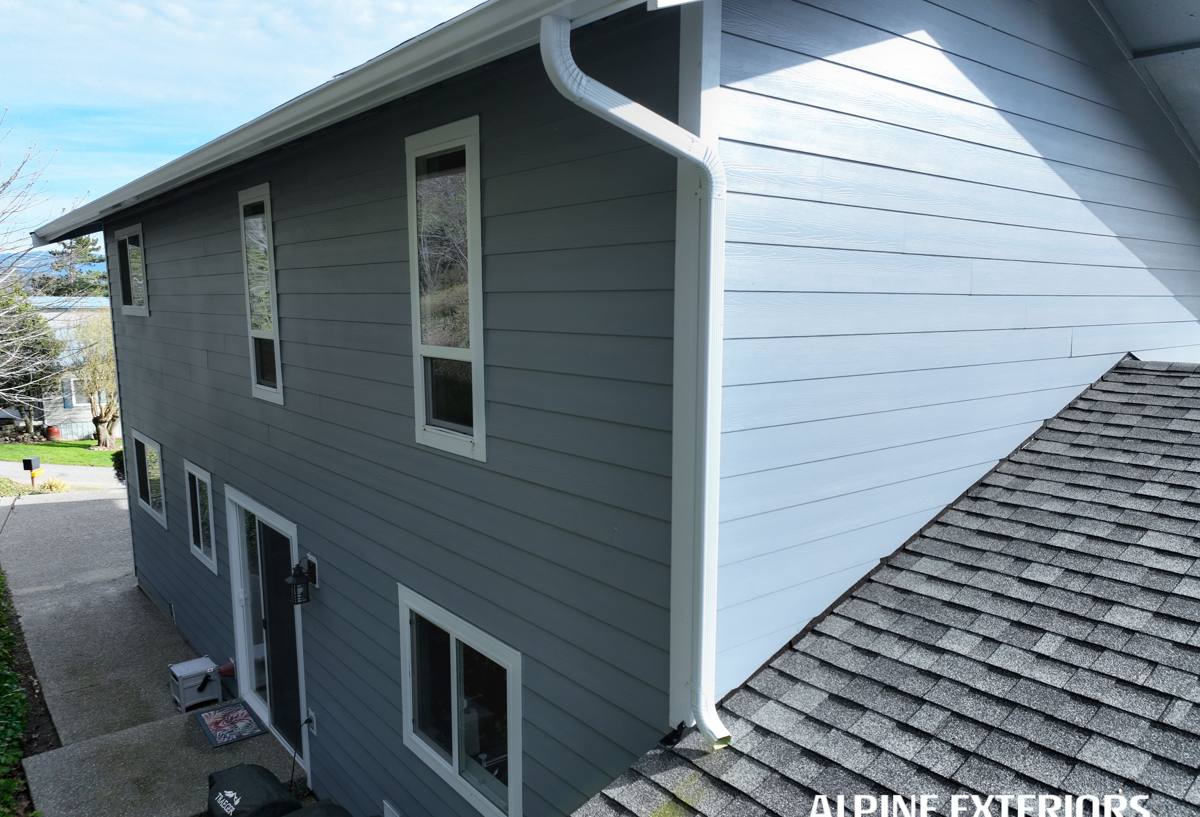
What Palmer Ranch's Climate Actually Does to a Roof
It helps to be specific about what a roof in this part of Sarasota County is up against, because the failures we see are almost always tied to one of these:
- Wind uplift. Sustained tropical-storm and hurricane-force gusts get under shingle tabs and flashing edges that weren't sealed or fastened to spec, peeling sections off from the edges inward.
- Wind-driven rain. Rain here rarely falls straight down during a storm — it drives sideways under shingle laps, through poorly sealed pipe boots, and around chimney and wall flashing.
- UV exposure. Florida gets strong, direct sun essentially year-round. Asphalt shingles lose oils and granules faster under this kind of exposure than they do in milder climates, which shortens their effective service life if the product wasn't rated for it.
- Heat cycling in the attic. Attic temperatures can climb well past outdoor temperatures on a hot afternoon. Without proper ventilation, that heat bakes the underside of the shingles and accelerates aging from below, not just above.
- Salt air. Even set back from the coast, Palmer Ranch gets enough salt in the air to corrode exposed fasteners, flashing, and vent components faster than inland areas further from the Gulf.
None of this means asphalt shingles are a poor choice for the area. It means the installation details — fastening pattern, underlayment type, flashing, and ventilation — carry more weight here than they would in a drier, calmer climate.
What a Correct Installation Involves
Deck Inspection and Prep
Before a single shingle goes down, the roof deck needs to be sound. Soft spots, delamination, or water staining on the plywood or OSB underneath the old roofing get identified and replaced — not covered up. A shingle roof is only as strong as the deck it's nailed to, and skipping this step is one of the most common shortcuts in the industry.
Underlayment
Given how much wind-driven rain this area sees, underlayment choice matters. Synthetic underlayment or a self-adhered peel-and-stick membrane at eaves, valleys, and around penetrations gives the roof a second line of defense if wind ever forces water past the shingles themselves. In a coastal-influenced climate like Sarasota County's, this isn't an upsell — it's a practical response to how the weather actually behaves here.
Fastening and Wind Rating
Shingles are only as wind-resistant as their fastening pattern. That means the correct number of nails per shingle, placed in the manufacturer's nailing zone, driven flush (not overdriven or underdriven), and matched to a shingle product with a wind rating appropriate for this part of Florida. This is also where Florida Building Code high-velocity hurricane zone and wind-borne debris region requirements come into play, and it's worth confirming with your contractor exactly what standard your project falls under and how the installation meets it.
Flashing
Flashing around chimneys, walls, skylights, and roof-to-wall transitions is where most leaks actually start — not in the open field of shingles. Step flashing, counter-flashing, and properly sealed pipe boots need to be installed correctly, not just caulked over old metal and left in place.
Ventilation
Balanced intake and exhaust ventilation keeps attic temperatures down and moisture from building up underneath the deck. This matters twice over in Florida: it protects the shingles from baking prematurely, and it protects the wood structure from the humidity that's part of daily life here.
Our Process for Palmer Ranch Homes
The process looks similar on paper to any reputable roofing job, but the details are adjusted for this neighborhood's exposure and for Sarasota County's permitting and inspection requirements.
- On-site assessment. We look at the existing roof's condition, deck, ventilation, flashing points, and any storm damage history before recommending a repair or full replacement.
- Written scope and honest options. You get a clear breakdown of what's being replaced, what shingle and underlayment products are being used, and why — not a vague lump-sum quote.
- Permitting. Roofing work in Sarasota County requires a permit, and the job gets inspected against current code. We handle the paperwork so you're not the one chasing it down.
- Tear-off and deck repair. Old roofing comes off, the deck is inspected, and any damaged sheathing is replaced before anything new goes down.
- Underlayment and flashing installed to the standard described above, with extra attention at valleys, walls, and penetrations.
- Shingle installation following the manufacturer's fastening and exposure requirements for the wind rating being installed.
- Final walkthrough and inspection sign-off, so you know the job passed and you have documentation for insurance or resale purposes.
Repair, Recover, or Full Replacement?
Not every roof in Palmer Ranch needs a full tear-off. The right call depends on the roof's age, how widespread the damage or wear is, and what's happening underneath the shingles.
| Situation | Likely Approach | Why |
|---|---|---|
| Isolated storm damage, roof under 10-12 years old | Targeted repair | Deck and underlayment are still sound; matching shingles are usually still available |
| Widespread granule loss, curling, or brittle shingles | Full replacement | The shingle mat itself has degraded from UV and heat exposure; patching won't extend life meaningfully |
| Visible sagging or soft decking | Full replacement with deck repair | Structural issue underneath the shingles that a surface repair can't fix |
| Roof near or past its rated service life | Full replacement | Underlayment and fasteners are aging out even if shingles look okay from the ground |
| Recurring leaks at one chimney or valley, roof otherwise sound | Flashing repair | The shingles usually aren't the problem — the flashing detail is |
Cost Factors Homeowners Should Understand
We won't quote a number here since every roof is different, but these are the variables that actually move the price up or down on a Palmer Ranch asphalt shingle project:
- Roof size and complexity. A roof with multiple valleys, dormers, and hips takes more labor and material than a simple gable roof of the same square footage.
- Deck condition. Hidden rot or delamination discovered during tear-off adds material and labor to replace it properly.
- Shingle product and wind rating. Higher wind-rated architectural shingles cost more than basic three-tab products but generally hold up better here.
- Underlayment upgrade. Self-adhered membrane at eaves and valleys costs more than standard synthetic underlayment but adds real protection against wind-driven rain.
- Ventilation work. Adding or correcting attic ventilation during a re-roof is more cost-effective than doing it as a separate project later.
- Permitting and disposal. County permit fees and tear-off debris disposal are part of any legitimate roofing quote — be wary of a bid that doesn't account for them.
Why Working with a Crew That Knows Palmer Ranch Matters
A roofing crew that regularly works this part of Sarasota County already knows the wind and rain patterns, the permitting process with the county, and the failure points that show up again and again on homes built to the area's typical construction styles and ages. That familiarity shows up in small but meaningful ways — knowing which flashing details tend to fail first on homes of a certain age, understanding what wind rating actually makes sense for this exposure rather than defaulting to the cheapest code minimum, and being available if a storm causes damage and you need someone who already knows your roof.
It also matters for accountability. A local, established contractor has a reputation and a physical presence in the community to protect — very different from a storm-chasing crew that shows up after a hurricane, does rushed work, and is gone before problems surface.
Maintaining Your Roof Between Major Services
Asphalt shingle roofs in this climate benefit from periodic attention even when nothing looks wrong:
- Have the roof visually inspected after any major storm, even if there's no obvious interior leak.
- Keep gutters and valleys clear of debris so water isn't pooling or backing up under shingle edges.
- Trim back tree limbs that overhang the roof to reduce abrasion damage and debris buildup.
- Watch for granules collecting in gutters, which can signal a shingle surface that's wearing down.
- Address small flashing leaks promptly — they rarely stay small in a climate with this much rain and wind.
Get an Honest Look at Your Roof
If your Palmer Ranch home's roof is showing its age, took wind or hail damage in a recent storm, or you're simply due for a replacement, we're happy to take a look and give you a straightforward assessment — no pressure, no scare tactics. Fill out the form below to schedule a free estimate and get a clear picture of what your roof actually needs.