 Sarasota Window
 Roof Replacement Built for University Park Homes
University Park is one of Sarasota's established golf course communities, with most homes dating from the late 1980s through the 2000s. That means a lot of roofs in the neighborhood are now old enough that homeowners are weighing repair against replacement for the first time — often after a storm, an insurance inspection, or a leak that keeps coming back. A roof replacement here isn't just a maintenance item. Done right, it's the single biggest thing you can do to protect the house underneath it from the specific punishment Gulf Coast weather delivers year after year.
We work on homes throughout Sarasota, and University Park has its own set of considerations worth understanding before you sign a contract: the mix of concrete tile and architectural shingle roofs in the community, the mature tree canopy that many homeowners now have overhead, and in many cases an HOA or architectural review process that has to sign off before work starts.
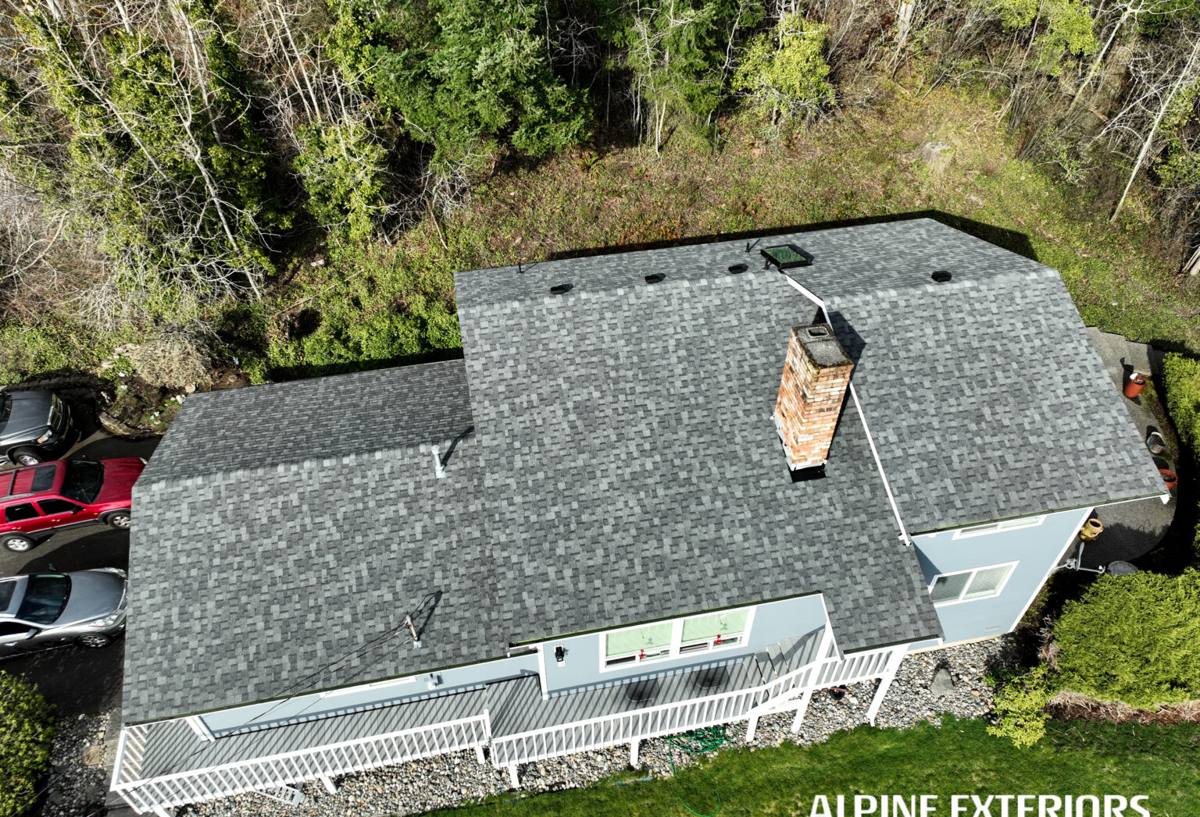
What Sarasota's Climate Actually Does to a Roof
A roof in a landlocked northern state ages differently than one here. Sarasota County roofs deal with several forms of stress at once, and it's the combination — not any single factor — that shortens a roof's useful life.
Hurricane-Force Wind
Wind doesn't just threaten a roof during a named storm. Repeated seasonal wind events loosen fasteners, lift shingle tabs, and stress tile attachment points over years, long before a hurricane ever makes landfall. A roof that was properly installed to current wind standards holds up dramatically better than one installed to older, looser requirements.
Intense, Year-Round UV
Florida sun is harder on roofing materials than in most of the country, and it doesn't take a season off. UV breaks down the asphalt oils in shingles, causing granule loss and brittleness, and it fades and chalks tile glazes over time. This aging happens whether or not a roof ever leaks, which is why a roof can look "fine" from the ground while its underlayment is already failing.
Wind-Driven Rain
Rain that comes in sideways during a tropical system finds every weakness in flashing, valleys, and underlayment laps that vertical rain would never reach. Most of the leaks we get called out for after a storm aren't from missing shingles or tiles — they're from water driven up and under intact roofing at a flashing detail or transition point.
Salt Air
Even well inland from the barrier islands, Sarasota's air carries enough salt content to accelerate corrosion on exposed metal — nails, flashing, vent stacks, and drip edge. Corroded fasteners and flashing are a common root cause of leaks on roofs that otherwise still have years of material life left.
Signs a Roof Needs Replacing, Not Just Another Repair
Not every roof problem calls for a full replacement, and we won't tell you it does. But there's a point where repeated patching stops making financial sense. Some signals worth taking seriously:
- Multiple leaks in different locations, rather than one isolated spot
- Shingles that are curling, cupping, or losing granules across large areas, not just one slope
- Cracked, slipped, or missing tiles in numbers that go beyond a few storm-damaged pieces
- Soft spots, sagging, or visible deck movement when walked on
- A roof approaching or past the manufacturer's expected service life for its material
- An insurance company flagging the roof's age or condition at renewal
- Daylight visible through the attic decking, or consistently damp insulation
If you're only seeing one or two of these and the roof is otherwise mid-life, a targeted repair is usually the honest answer, and we'll tell you that on the estimate visit. Replacement makes sense when the underlying material and underlayment are broadly past their useful life, not just cosmetically worn.
Roofing Material Options for University Park
University Park has a genuine mix of roof types, and each has real trade-offs rather than one "best" answer. Here's how the common options compare for a home in this climate:
| Material | Typical Lifespan | Wind Performance | Maintenance | Notes for This Area |
|---|---|---|---|---|
| Concrete tile | 30-50 years | Very good when properly fastened | Occasional cleaning; individual tiles can crack and need replacement | Common look in University Park; heavier, requires structure rated for the load |
| Clay tile | 40-50+ years | Good, similar fastening concerns as concrete | Similar to concrete tile | More brittle underfoot than concrete; matching older discontinued profiles can be difficult |
| Architectural (dimensional) shingle | 15-25 years in this climate | Good with proper nailing and a high wind-rated product | Lowest maintenance of the three | Most cost-effective option; quality of installation matters more than on tile |
| Standing seam metal | 40-60 years | Excellent | Very low | Higher upfront cost; some HOAs have specific guidelines on metal roofing appearance |
For homes already roofed in tile, most owners replace like-for-like both for appearance and because it typically matches the rest of the community. For shingle roofs, replacement is a good time to move up to a heavier, higher wind-rated shingle line than what may have been code-minimum when the home was built.
What Drives Cost Beyond the Material Itself
Material is only part of the number on an estimate. The other real cost factors are roof pitch and complexity (multiple valleys and hips cost more in labor than a simple gable), deck condition once the old roofing is off, the number of layers being removed, access for material staging on the lot, and permitting or HOA-driven specification requirements. This is why two roofs of the same square footage can price out very differently.
What a Correct Roof Replacement Actually Involves
A roof replacement is more than swapping old material for new. The parts that don't show once the job is finished are usually the parts that determine whether the roof performs in the next storm.
Tear-Off and Deck Inspection
Full tear-off to the deck lets us actually see the plywood or boards underneath — soft, delaminated, or water-stained decking gets replaced rather than roofed over. Roofing over a compromised deck is one of the most common ways a "new roof" fails early.
Underlayment
This is the roof's real waterproofing layer, and in this climate it matters as much as the visible material above it. Self-adhering underlayment at eaves, valleys, and penetrations gives real protection against wind-driven rain finding its way in.
Flashing and Penetrations
Every place a pipe, vent, chimney, or wall meets the roof plane is a potential entry point. New flashing at every penetration, not just where the old flashing "looked bad," is standard on a proper replacement.
Fastening to Current Wind Standards
Nailing patterns for shingles and attachment methods for tile are governed by Florida Building Code wind requirements, which are considerably stricter than what many older Sarasota-area roofs were built to originally. A replacement is your opportunity to bring the whole roof up to current standards, not just match what was there before.
Ventilation
Attic ventilation affects both how hot the house runs and how long the new roofing lasts, since trapped heat accelerates material aging from underneath. We check existing ventilation and adjust it as part of a replacement rather than treating it as a separate, optional item.
Permits, HOA Approval, and Local Code
A residential roof replacement in Sarasota County requires a building permit and inspections at defined stages of the work — that isn't optional and shouldn't be treated as one. Beyond the county, University Park's HOA or architectural review process typically wants to know about the project before it starts, particularly around material type, color, and appearance if you're changing anything from the original specification. We handle the permit process directly and can walk you through what documentation an HOA submission typically asks for, but the HOA relationship and approval timeline is between the homeowner and the association.
How We Approach a University Park Project
Our process is the same whether it's a repair or a full replacement — we just want you to know exactly what's happening at each stage:
- Free on-site inspection, including attic access where possible, to assess deck condition and confirm whether repair or replacement is the honest recommendation
- A written estimate that separates material, labor, and any deck repair or ventilation work as line items, not one lump number
- Permit pulled and, where applicable, documentation prepared for HOA submission before any work begins
- Material delivery staged to minimize disruption to the property and driveway
- Full tear-off, deck inspection and repair as needed, new underlayment, flashing, and roofing material installed to current wind-rated standards
- Site cleanup, including magnetic sweep for nails and debris removal
- Final inspection sign-off and warranty documentation provided directly to you
Why Local Experience in University Park Matters
A crew that already knows the neighborhood shows up with fewer surprises. That means understanding the community's typical roof pitches and tile profiles well enough to price accurately from the start, knowing what an HOA submission generally expects so it doesn't stall the project, and being mindful of the mature landscaping many University Park lots have grown over the decades when it comes to material staging, debris removal, and protecting plantings during tear-off. It also means being reachable afterward — a roof replacement should come with a straightforward warranty and a contractor who's still around to answer for their work, not a name that disappears once the check clears.
If your University Park roof is showing its age, past storm damage, or just due for a straight answer on repair versus replacement, we're happy to take a look. The estimate is free, there's no pressure to sign anything on the spot, and you'll get a clear, itemized answer either way — just fill out the form below to get started.