 Sarasota Window
 Building a Deck That Holds Up in Rosemary District
Rosemary District sits just north of downtown Sarasota, a walkable mix of restored cottages, new townhomes, and infill construction close to the bayfront. Homeowners here want outdoor living space that matches the neighborhood's character, but a deck built in this part of Sarasota County has to survive conditions that inland or northern builders rarely plan for. Between hurricane-force wind loads, near-constant UV exposure, wind-driven rain, and salt-laden air rolling in off the Gulf, a deck that isn't specified correctly for this climate will show problems within a few seasons — loose fasteners, cupped boards, faded finishes, and rot at the ledger board being the most common. This page covers what a Rosemary District deck actually needs, how we build it, and what to expect from the process.
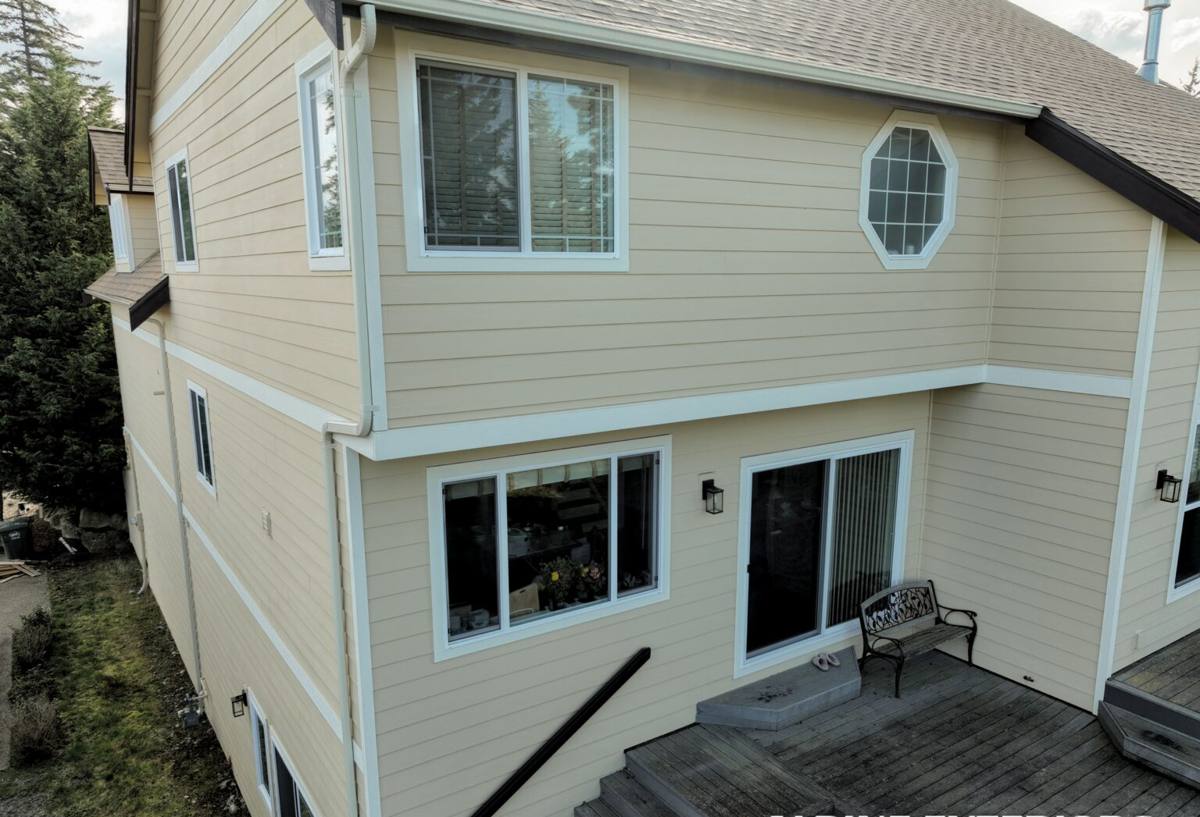
What Makes This Neighborhood's Decks Different
Rosemary District is denser and more urban than most Sarasota suburbs. Lots tend to run smaller, homes sit closer together, and many properties combine an older structure with more recent additions or renovations. That changes how a deck gets designed: footprints are often tighter, ledger attachment points may involve older framing that needs to be verified before anything gets hung off it, and drainage has to be planned carefully since there's less open yard to absorb runoff. A deck here also needs to work as real living space — dining, grilling, sitting out in the evening — not just a transition strip between the back door and the yard, because outdoor square footage is often at a premium on these lots.
The neighborhood's proximity to downtown and the bay also means more direct exposure to salt-bearing wind than you'd get further inland in Sarasota County. That's not a reason to avoid building outdoors here — it just means the materials, fasteners, and hardware need to be chosen for it from the start rather than upgraded later after something fails.
Florida Climate Demands: Wind, UV, Rain, and Salt Air
Wind Load
Sarasota County building code requires outdoor structures, including decks, to be engineered for the applicable wind speed zone. That affects post spacing, footing depth, joist hangers, and how the deck ties back into the house. A deck that would pass inspection in a calmer climate can fail here if the connections aren't rated for uplift and lateral load during a tropical storm or hurricane.
UV Exposure
Sarasota gets strong, direct sun essentially year-round. Untreated or poorly finished wood grays and checks quickly under that kind of exposure, and lower-grade composite decking can fade or chalk faster than its warranty literature suggests. Material choice and finish matter more here than in a shadier, cooler climate.
Wind-Driven Rain
Storms in this area rarely arrive straight down — wind pushes rain sideways and up under boards, into ledger connections, and into any gap that isn't properly flashed or sloped. A deck built without attention to drainage and flashing will trap moisture exactly where it's hardest to see, which is how rot and hidden fastener corrosion get started.
Salt Air
Even away from the immediate waterfront, Sarasota's air carries salt that accelerates corrosion on standard fasteners, brackets, and connectors. Hardware that's fine in a landlocked state can start rusting and staining within a year or two here if it isn't rated for coastal exposure.
Choosing the Right Decking Material
There's no single "best" decking material for every home in Rosemary District — it depends on budget, how much upkeep you want to do, and the look you're going for on a historic-adjacent or newer-build property. Here's how the common options actually perform under Sarasota conditions:
| Material | How It Handles Sun & Salt | Maintenance | Typical Lifespan Here |
|---|---|---|---|
| Pressure-treated pine | Needs sealing to resist UV graying and moisture cycling; least forgiving of neglect | Annual cleaning and re-sealing recommended | 10-15 years with consistent upkeep |
| Tropical hardwood (e.g., ipe) | Naturally dense and rot-resistant; still grays without oiling | Periodic oiling to maintain color and prevent surface checking | 20+ years, heavier upfront cost |
| Capped composite | Strong UV and stain resistance; cap layer resists salt staining better than wood | Occasional washing; no sealing or staining | 25-30 years, backed by manufacturer warranty |
| PVC decking | Fully synthetic, very stable in heat and salt exposure, won't absorb moisture | Lowest maintenance of the group | 25-30+ years |
We don't push one product line as the automatic answer for every project. Composite and PVC cost more upfront but cut down on the sanding, sealing, and re-staining cycle that Sarasota's sun makes more frequent than in cooler climates. Wood costs less initially and gives a look some homeowners specifically want, but it only holds up if the maintenance schedule actually happens — skipped sealing years are what lead to premature replacement, not a flaw in the wood itself.
Framing, Fasteners, and Foundations That Meet Code
What's underneath the decking board matters more than the decking itself for how long a deck actually lasts here. A few things we treat as non-negotiable on every Rosemary District project:
- Footings sized and set to local frost-free, load-bearing depth requirements — not just poured to "what's always worked" on a different job elsewhere
- Structural connectors and joist hangers rated for coastal/salt exposure, not standard interior-grade galvanized
- Stainless steel or coated fasteners at every structural connection, since standard deck screws corrode faster in this air than most homeowners expect
- Proper ledger board flashing and standoff spacing so wind-driven rain can't sit against the house band board
- Joist spacing and beam sizing calculated for the actual span and load, not just matched to whatever the last deck on the street used
- Post-to-beam and beam-to-footing connections engineered for the wind uplift requirements in this part of Sarasota County
None of this is visible once the deck boards go down, which is exactly why it has to be right the first time. A deck that looks finished but was framed with interior-grade hardware or undersized footings is a problem that stays hidden until a storm or a few years of salt exposure expose it.
Permits and Local Code in Sarasota County
Most new decks and significant deck replacements in Sarasota County require a building permit, and larger or elevated structures typically need engineered plans showing how the deck meets wind load requirements. Older properties in and around Rosemary District sometimes come with additional considerations — prior additions that weren't permitted correctly, aging structural connections at the house, or, on some properties, historic district or neighborhood design guidelines that affect what's visible from the street. We pull the permit, handle the inspection scheduling, and flag anything on the existing structure that needs to be addressed before we build against it, so you're not the one chasing down paperwork or discovering a problem mid-project.
Our Deck-Building Process
1. On-Site Consultation and Design
We walk the property, talk through how you actually plan to use the space, and take real measurements rather than working off a stock layout. Lot size, existing structures, drainage patterns, and sun exposure all factor into the design before we talk materials.
2. Engineering and Permitting
Once the design is set, we handle the structural specifications and permit submission to Sarasota County, including wind load calculations where required. This step protects you — an unpermitted deck can complicate a future home sale or insurance claim.
3. Material Selection
We go through the honest trade-offs between wood, composite, and PVC for your specific budget and maintenance appetite, rather than defaulting to whatever's easiest for us to install.
4. Construction
Footings, framing, and structural connections go in first and get inspected before decking, railing, and any finish work proceed. We don't cover up structural work ahead of inspection.
5. Final Walkthrough
We go over the finished deck together, confirm railing height and spacing meet code, and cover the maintenance schedule specific to whatever material you chose.
What a Custom Deck Typically Costs
Exact pricing depends on size, height, material, and site access, but here's a general sense of what drives the cost up or down on a Rosemary District project:
| Cost Factor | Why It Matters |
|---|---|
| Decking material | Pressure-treated wood is the lowest upfront cost; composite and PVC cost more but reduce long-term maintenance spending |
| Deck height and elevation | Elevated decks require deeper footings, more substantial railing, and often stairs, all adding cost |
| Site access | Tighter Rosemary District lots can mean more hand-digging and material staging, versus open-lot equipment access elsewhere |
| Railing and features | Cable rail, built-in seating, or multi-level layouts add labor and material beyond a basic rectangular deck |
| Structural condition of the house | Older ledger framing or band boards that need reinforcement before attachment add scope |
We provide a written estimate that breaks these factors down for your specific property rather than a flat per-square-foot number that doesn't reflect what your lot and design actually require.
Caring for Your Deck Year-Round in Sarasota's Climate
A well-built deck still needs regular attention in this climate — the maintenance schedule is part of what makes the material choice pay off. A general seasonal checklist for Sarasota homeowners:
- Rinse off salt residue, pollen, and organic debris every few weeks, more often in storm season
- Check fastener heads and structural connections annually for corrosion, especially after hurricane season
- Reseal or re-stain wood decking on the schedule the product actually requires here — typically more often than the can's generic recommendation, given UV intensity
- Keep gutters and downspouts clear so runoff isn't dumping directly onto or under the deck
- Trim back vegetation that holds moisture against framing or decking boards
- After any named storm, walk the deck and check railings, stairs, and ledger attachment before resuming normal use
Why a Crew That Already Works Rosemary District Matters
Building a deck that survives Sarasota's climate isn't about following a generic national spec sheet — it's about knowing how wind, sun, rain, and salt actually behave on this part of the Gulf Coast, and building accordingly every time. A crew that regularly works in and around Rosemary District already understands the county's permitting process, the kind of framing conditions common to this neighborhood's mix of older and newer homes, and which materials and hardware genuinely hold up here versus which ones just look fine at handoff. That local track record means fewer surprises during permitting, fewer callbacks for premature wear, and a deck that's actually built for the address it sits on rather than a one-size-fits-all approach.
If you're planning a new deck or replacing one that didn't hold up to Sarasota's weather, we're happy to take a look and put together a free, no-pressure estimate. Fill out the form below and we'll follow up to talk through your property and what a properly built deck would involve.