 Sarasota Window
 Southside Village Sits Where Sarasota's Climate Gets Serious
Southside Village is one of Sarasota's older, close-in neighborhoods — a walkable pocket of established homes near the bay, mixing original mid-century construction with decades of additions, renovations, and the occasional full rebuild. That mix of home ages is exactly why siding decisions here can't be generic. A product or installation method that works fine forty miles inland doesn't necessarily hold up a few blocks from Sarasota Bay.
Sarasota County sees hurricane-force wind events, wind-driven rain that gets pushed sideways into wall assemblies, salt-laden air that accelerates corrosion on fasteners and trim, and some of the most intense year-round UV exposure in the continental United States. Siding on a Southside Village home isn't just cosmetic — it's the first line of defense against all four of those forces at once, every single year, not just during storm season.
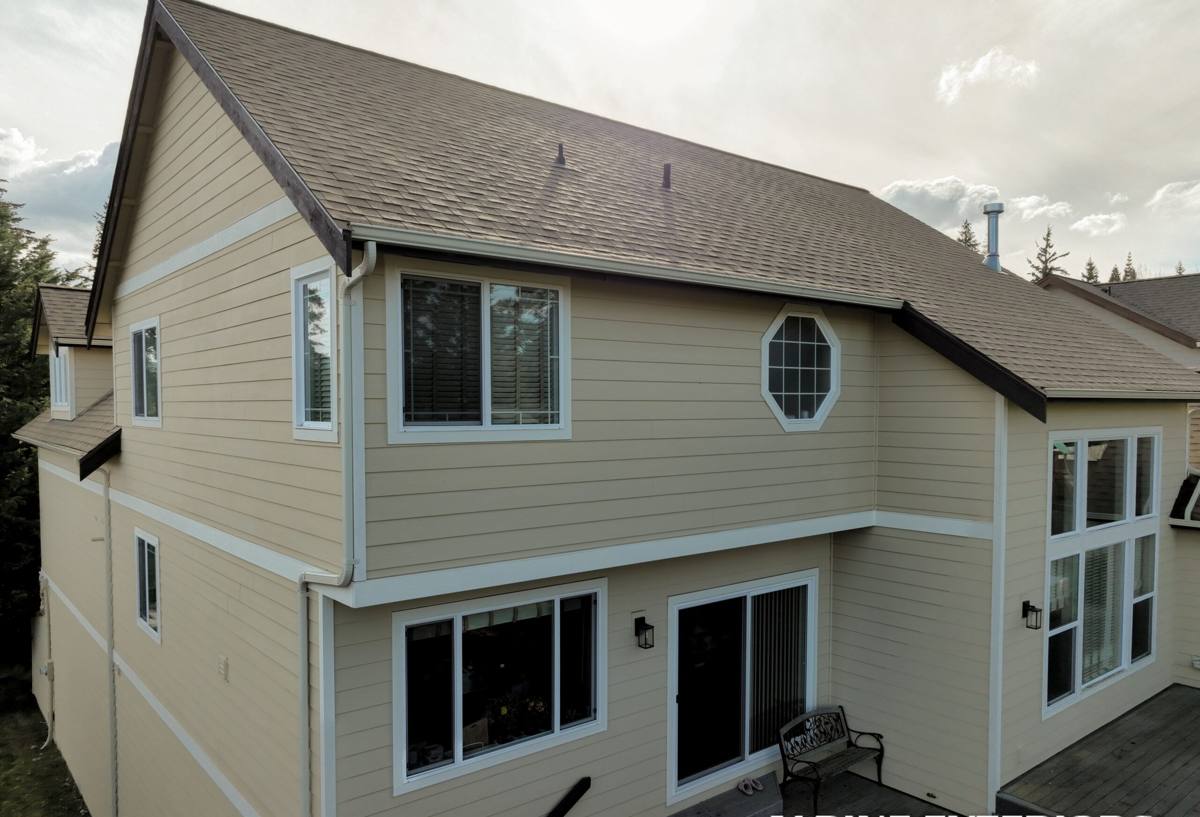
What Southside Village Homes Actually Need From Their Siding
Because this neighborhood is close to the water and has a lot of older housing stock, we see a recurring set of problems when we get called out for estimates or repairs:
- Moisture intrusion behind aging siding — original wall assemblies on older homes were rarely built with today's drainage plane and flashing standards.
- UV-degraded paint and caulk — Sarasota's sun breaks down exterior coatings faster than most manufacturers' warranties assume, leading to chalking, fading, and cracked seams.
- Corroded fasteners and trim hardware — salt air attacks unprotected steel and low-grade aluminum, which shows up first at the fastener heads and butt joints.
- Wind-lifted or separated panels — older nailing patterns and product choices that were never rated for the wind speeds Southside Village actually experiences.
Any siding installed on a home in this neighborhood has to be engineered for that specific combination of stressors, not just "exterior-rated" in a general sense.
Why We Only Install James Hardie Fiber Cement
We don't install vinyl, LP SmartSide, Cemplank, Allura, or primed wood siding — not because those products can't be installed correctly somewhere, but because after years of doing this work on the Gulf Coast, we've standardized on one system that we're willing to stand behind in this climate: James Hardie fiber cement.
Non-Combustible and Dimensionally Stable
Fiber cement doesn't burn, doesn't soften in high heat the way vinyl can, and doesn't expand and contract with humidity swings the way wood-based products do. In a climate that swings from humid, 95-degree summers to dry cold snaps, that stability matters for keeping joints tight and paint lines clean over time.
Engineered for This Exact Climate
James Hardie makes climate-specific product formulations under its HZ (HardieZone) system, and homes in our region fall into the HZ5 zone — engineered for higher humidity and moisture exposure. That's not marketing language; it changes the actual composition of the board to resist moisture-related failure better than a one-size-fits-all product.
ColorPlus Factory Finish
Instead of field-applied paint that starts degrading under Sarasota UV within a few years, ColorPlus finishes are baked on in a controlled factory process, which holds color and resists fading far longer than most site-applied coatings — and the finish is backed by its own dedicated warranty.
A Warranty Structure Built to Be Honored
James Hardie's transferable limited warranty is one of the more substantial in the industry, which matters both for a homeowner planning to stay for decades and for one who may eventually sell — a documented, transferable warranty is worth something at a closing table.
What a Correct Siding Installation Actually Involves
The siding board itself is only part of the system. Most siding failures we're called to diagnose — on any brand — trace back to installation shortcuts, not the product. A correct install includes:
- Substrate inspection and repair — any rot, moisture damage, or compromised sheathing gets addressed before new siding goes on, not covered up.
- A continuous weather-resistive barrier — properly lapped and sealed housewrap that manages bulk water and lets incidental moisture escape.
- Correct flashing at every penetration — windows, doors, hose bibs, light fixtures, and roof-to-wall intersections all need dedicated flashing, not just caulk.
- Manufacturer-spec fastening — correct fastener type, spacing, and embedment depth matter enormously for wind performance; this is one of the most commonly skipped details on rushed jobs.
- Proper clearances — siding held off grade, roof lines, decks, and patios per code and manufacturer guidance, so it isn't sitting in standing water or trapped moisture.
- Sealed, back-primed cuts — every field cut exposes raw material that needs to be sealed to keep moisture from wicking in at joints and corners.
Skip any one of these and the siding can look fine for a year or two before problems start — which is exactly why so many failures don't get traced back to the install until well after the crew is gone.
Our Process for Southside Village Homes
We run the same disciplined process on every job, adjusted for the specific age and condition of the home:
1. On-Site Assessment
We walk the exterior, check the current siding and substrate condition, look at trim, window and door details, and talk through what we're seeing before we ever talk product selection.
2. Tear-Off and Substrate Repair
Old siding comes off, sheathing gets inspected, and anything compromised — rot, delamination, prior water damage — gets repaired or replaced before we move forward.
3. Weather Barrier and Flashing
We install a continuous, correctly lapped weather-resistive barrier and detail flashing at every window, door, and penetration point. This step is where most long-term performance is actually won or lost.
4. Hardie Installation to Manufacturer Spec
Boards are installed with the fastening pattern, clearances, and joint treatment James Hardie specifies for our wind zone — not a generalized approach borrowed from a different climate or product.
5. Trim, Caulk, and Finish Detail
Trim work and joint sealing get the same attention as the field siding, since these are the spots that fail first when rushed.
6. Final Walkthrough
We review the completed work with you directly, so you know what was done and why, not just that a crew showed up and left.
Cost Factors to Understand Before You Compare Bids
Siding installation quotes can vary widely, and the lowest number on paper often reflects what's missing from the scope, not just labor efficiency. Here's what actually drives cost on a project like this:
| Factor | Why It Affects Cost | Southside Village Consideration |
|---|---|---|
| Substrate condition | Rot or moisture damage found during tear-off requires repair before new siding goes on | More common on older homes near the water that haven't had siding replaced recently |
| Home size and complexity | More corners, dormers, and trim detail mean more labor and material waste | Varies widely across the neighborhood's mix of home styles and additions |
| Siding profile and finish | Lap width, texture, and ColorPlus color selection affect material pricing | Matching or updating a look that fits an established, walkable street |
| Flashing and moisture detailing | Correct flashing at every penetration takes real time and can't be shortcut | Non-negotiable this close to the bay, where wind-driven rain finds every gap |
| Access and staging | Tight lots, mature landscaping, or limited driveway access slow the work | Common on older, established lots in the neighborhood |
What to Ask Before Hiring a Siding Contractor Here
Because siding failures often don't show up for a year or two, it's worth vetting a contractor carefully rather than just comparing price. Before signing anything, ask:
- Are they licensed and insured to do exterior work in Sarasota County, and can they show proof?
- Do they carry manufacturer certification or documented training on the specific siding product they're proposing?
- Will they put the fastening pattern, flashing approach, and clearances in writing, not just "we'll follow best practices"?
- Do they pull permits themselves, or expect you to handle it?
- Can they explain, specifically, how their installation accounts for wind and wind-driven rain in this area?
- Is the warranty — both material and labor — clearly explained and transferable if you sell the home?
A contractor who answers these questions specifically, rather than generally, is usually the one who's done the work correctly before.
Why Local, Repeat Experience in This Neighborhood Matters
A crew that already works in Southside Village and the surrounding Sarasota area isn't guessing at what this climate does to a wall assembly over time — they've seen it firsthand, on homes with similar age and exposure. That experience shows up in small but important ways: knowing which older homes tend to have hidden moisture issues behind original siding, understanding how Sarasota County's permitting and wind-load requirements apply to a project like yours, and recognizing what correct flashing detail looks like on the specific window and trim styles common in this part of the county. That local pattern-recognition is hard to substitute with a crew that mostly works elsewhere.
Maintenance and Long-Term Performance
Correctly installed James Hardie siding is low-maintenance, not no-maintenance. Plan on periodic rinsing to clear salt residue and pollen buildup, a visual inspection after major storms for any impact damage or lifted trim, and prompt attention to any caulk lines that start to crack or separate. Caught early, these are minor fixes. Left alone in this climate, small gaps turn into moisture problems fast.
If you're weighing a siding project for a home in Southside Village, we're happy to walk the property with you, look at what's actually going on with your current siding, and lay out options honestly — no pressure, no hard sell. Reach out using the form below to schedule a free estimate.