 Sarasota Window
 Siding Repair That Accounts for Gulf Gate Estates' Climate
Gulf Gate Estates sits inland enough to feel like a quiet, established Sarasota neighborhood, but it's still close enough to the Gulf that the same coastal stresses apply to every wall on every house. Hurricane-force winds drive rain sideways into seams and laps that were never designed to handle water moving that way. Intense, near year-round UV bakes paint and substrate on south- and west-facing walls. Salt-laden air works into fasteners, trim, and any exposed edge. None of that is unique to Gulf Gate Estates, but it's the reason a siding repair here has to be judged by different standards than a repair in a drier, calmer climate. A patch that would hold up fine in a milder region can fail within a season or two on a Sarasota County home if it's not done with the local conditions in mind.
That's the lens we bring to every siding repair call in this neighborhood: not just "what's broken," but "why did it break, and what does it take to make sure the repair doesn't fail the same way."
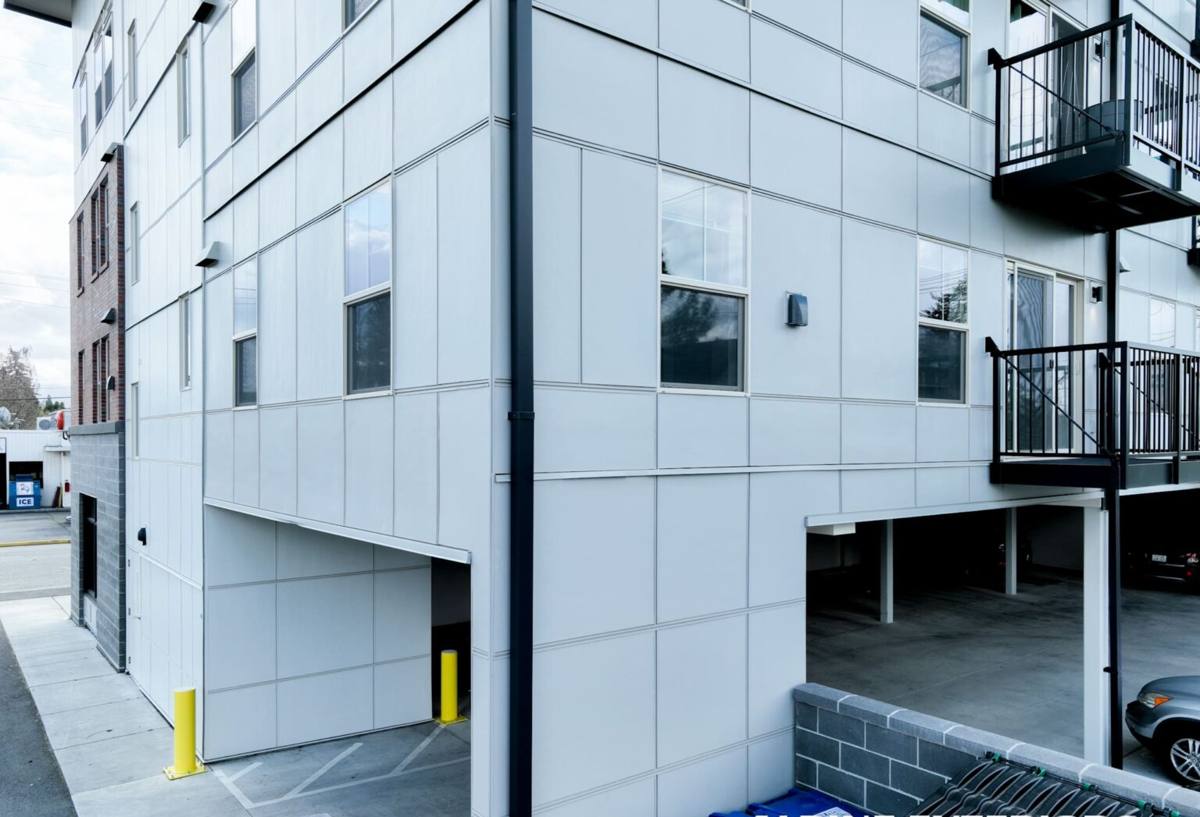
Common Siding Damage We See on Gulf Gate Estates Homes
Gulf Gate Estates has a mix of home ages and siding types — older ranch-style houses alongside more recently updated properties — so the damage we're called out for varies. A few patterns show up consistently:
- Wind-driven rain intrusion at butt joints, corner trim, and anywhere siding meets a window or door casing without proper flashing.
- UV-degraded paint and caulk on west- and south-facing elevations, which lets moisture in even when the siding material itself is still sound.
- Swelling, delamination, or soft spots in older wood-based or hardboard siding that's absorbed water repeatedly over the years.
- Cracked or buckled panels from storm impact, wind uplift, or panels that were never fastened to the manufacturer's spec in the first place.
- Corrosion around fasteners and trim from long-term salt air exposure, especially on homes closer to open exposure with less wind buffering.
The common thread is that siding damage in this area is rarely just cosmetic. If water has been getting behind the cladding for any length of time, there's usually a related question about the sheathing, house wrap, or framing underneath — and that's the part a rushed repair skips.
What a Correct Repair Actually Involves
Diagnosing the Cause Before Patching
Replacing a cracked or stained piece of siding without figuring out why it failed is how the same spot ends up damaged again in a year or two. Before we touch a panel, we look at what's feeding the problem: is water tracking down from a failed kick-out flashing above, pooling because of a grading issue at the base of the wall, or simply the result of age and sun exposure on that one elevation? A repair that ignores the cause is a temporary cover-up, not a fix.
Checking What's Behind the Siding
Once panels are pulled, we look at the house wrap or building paper, the sheathing, and the framing for soft spots, staining, or mold. In a climate that pushes wind-driven rain into every gap, it's common to find some degree of moisture damage behind siding that's been compromised for a while. Any compromised sheathing or framing gets addressed before new siding goes back on — closing over a wet wall just locks the problem in.
Matching Materials the Right Way
If the existing siding is still a viable material and the damage is isolated, we can often repair or replace sections in a way that blends in. If the existing product is a type we don't install — vinyl, hardboard, or an older fiber cement product that's reached the end of its practical life — we'll be direct about that rather than patching a product with known long-term weaknesses just to make the immediate problem disappear.
Repair, Partial Replacement, or Full Re-Side: Comparing the Options
Not every siding problem calls for the same scope of work. The right approach depends on how widespread the damage is, the age and condition of the existing material, and whether the underlying wall assembly is sound.
| Approach | Best For | What It Involves | Typical Outcome |
|---|---|---|---|
| Spot repair | Isolated impact damage or a single failed joint on otherwise sound siding | Remove and replace individual boards or panels, re-seal and re-flash the area | Restores protection quickly; cosmetic match depends on product age and sun-fading |
| Partial replacement | Damage concentrated on one elevation (often the side facing prevailing wind or sun) | Strip and replace an entire wall section, inspect and repair sheathing as needed | Addresses a full problem area without re-siding the whole house |
| Full re-side | Widespread age-related failure, repeated moisture problems, or outdated siding material | Complete removal, wall inspection and repair, new siding system installed to spec | Longest-lasting result; resets the clock on the whole exterior |
A straightforward estimate visit is usually enough to tell which category a given home falls into — and we'll tell you honestly if a "repair" isn't going to hold up given what we find once the damaged section is opened up.
Why We Rebuild With James Hardie, Not the Original Material
When a repair turns into a replacement — even a partial one — we install James Hardie fiber cement, and only James Hardie. We don't install vinyl, LP SmartSide, Cemplank, Allura, or primed wood siding, including as a repair material. That's a deliberate standard, not a sales preference. Vinyl can warp under sustained heat and doesn't hold up well to wind-driven debris. Wood-based and hardboard products are the ones we most often find swollen or delaminating when we open up a damaged wall in this climate. Fiber cement products vary in formulation and factory finish quality, and we've standardized on Hardie because of its consistency and the way it's engineered for exactly this kind of climate exposure.
James Hardie's HZ5 product line is engineered specifically for hot, humid, high-moisture climates like Sarasota County's — it's built to resist moisture absorption and hold paint adhesion under sustained UV exposure. The ColorPlus factory finish also matters for repair work specifically: a factory-baked finish resists fading and chipping far better than field-applied paint, which means a repaired section is less likely to visibly mismatch the surrounding siding a few years down the road. Fiber cement is also non-combustible, which isn't the deciding factor for most repair calls but is part of why we won't install anything else when the work goes beyond a small patch.
Our Process for a Gulf Gate Estates Siding Repair
- On-site inspection of the damaged area and a walk of the full exterior, since storm and sun damage often shows up in more than one spot.
- Diagnosis of the cause — flashing, caulk failure, grading, material age, or storm impact — not just the visible symptom.
- An honest recommendation: spot repair, partial replacement, or full re-side, with the reasoning explained.
- Removal of damaged material and inspection of the sheathing and framing underneath before anything new goes up.
- Repair of any compromised wall components found during that inspection.
- Installation of new siding to manufacturer specifications, including proper flashing and fastening for wind and moisture resistance.
- Final walkthrough so you know exactly what was found, what was fixed, and what to expect going forward.
Signs a Gulf Gate Estates Home May Need Siding Repair
Most siding problems give some warning before they become serious. Worth checking for:
- Soft or spongy spots when you press on the siding, especially near the base of walls or below windows
- Visible cracking, buckling, or warping in one or more panels
- Peeling or bubbling paint concentrated on one elevation, particularly south- or west-facing walls
- Staining or streaking that suggests water is running behind the siding rather than off of it
- Gaps opening up at corners, trim, or panel joints
- A musty smell or visible mold on interior walls that share an exterior wall with damaged siding
Catching any of these early is almost always cheaper than waiting — a spot repair now is a smaller job than the partial replacement that same spot turns into after another storm season.
Why Local Experience in Gulf Gate Estates Matters
A siding repair crew that regularly works in this part of Sarasota County already knows what wind-driven rain and salt air do to an exterior wall over time, and they're not guessing at how a repair needs to be detailed to survive the next storm season. That familiarity shows up in small but important decisions — how flashing gets lapped, which joints get extra attention, when a "small" repair is actually a sign of a bigger moisture problem working its way through a wall. It also means a straighter answer about scope: a crew that's repaired a lot of homes in this specific area has a good read on what tends to fail here and why, instead of applying a generic playbook to a climate that doesn't forgive shortcuts.
If you're dealing with damaged, aging, or storm-affected siding on a Gulf Gate Estates home, we're glad to take a look and give you a straight assessment of what's going on and what it would take to fix it right. There's no cost and no pressure to schedule an estimate — just an honest read on your siding before the next season puts more stress on it.