 Sarasota Window
 Why Siding Replacement in Rosemary District Is Its Own Project
Rosemary District sits just north of downtown Sarasota, and it's a neighborhood in transition — older homes built decades ago standing alongside newer infill construction, all exposed to the same Gulf Coast weather. That mix matters when it comes to siding. A house built decades ago may still be wearing its original exterior material, long past the point where paint and patching can keep water out. A newer home nearby might already be showing wear from a siding product that wasn't built for Sarasota's climate in the first place. Either way, siding replacement here isn't a cosmetic decision — it's a structural one, because the siding is the first line of defense between your walls and one of the harshest coastal climates in the country.
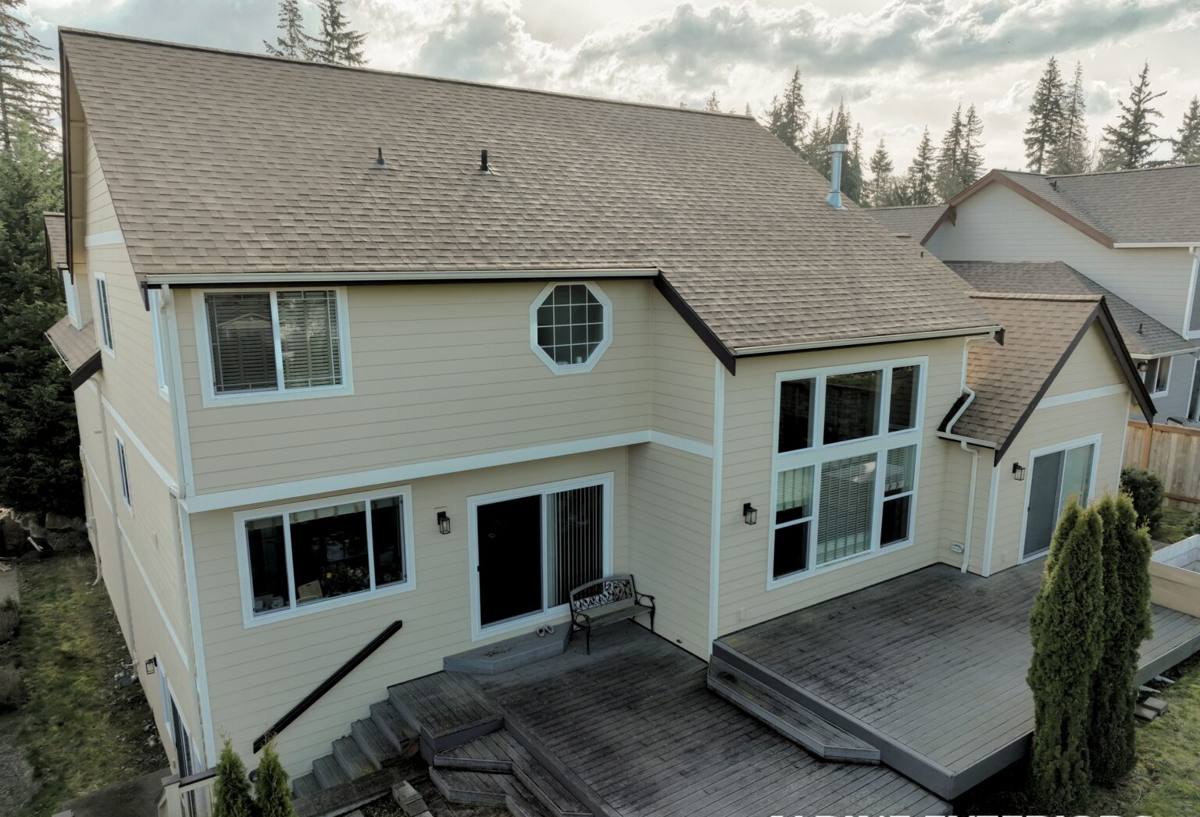
What Sarasota's Climate Does to Siding Over Time
Every material on the market handles Florida weather differently, and not all of them handle it well. Understanding what's actually working against your siding is the starting point for choosing a replacement that will last.
Hurricane-Force Wind Loads
Sarasota County sits directly in the path of Gulf tropical systems, and homes here are built and inspected against wind-load requirements that reflect that risk. Siding isn't just decorative in this context — it has to stay fastened and intact through sustained high winds and flying debris. Products that rely on lightweight panels or adhesive-based installation are far more likely to crack, lift, or blow off outright in a storm than a heavier, properly fastened fiber cement system.
Year-Round UV Exposure
Sarasota gets strong, direct sun essentially every month of the year. That constant UV load breaks down cheaper paint finishes and some composite materials faster than in most of the country, leading to fading, chalking, and surface breakdown well before a product's rated lifespan is up.
Wind-Driven Rain and Moisture Intrusion
Afternoon storms in this part of Florida don't fall straight down — wind pushes rain sideways into walls, seams, and trim joints. Any siding system with weak seams, absorbent substrate, or poor flashing details will eventually let that water behind the surface, where it causes rot, mold, and hidden structural damage long before anything looks wrong from the street.
Salt Air and Corrosion
Rosemary District's proximity to Sarasota Bay and the Gulf means salt is a constant presence in the air, even a few miles inland. Salt accelerates corrosion in fasteners and trim, and it degrades certain siding finishes and adhesives faster than inland climates ever would. A siding system needs to be chosen and installed with that in mind, not just treated as it would be in a landlocked state.
Signs Your Rosemary District Home Needs Siding Replacement, Not Just Repair
Not every siding problem calls for a full replacement, but plenty of homes reach a point where patching is just delaying the inevitable — and letting moisture keep working behind the scenes. Watch for:
- Soft, spongy, or crumbling siding when you press on it, especially near the bottom courses
- Paint that keeps failing within a year or two of repainting, even after proper prep
- Visible cracking, buckling, or warping across multiple panels or boards
- Gaps opening up at seams, corners, or where siding meets trim and window frames
- Staining, streaking, or a musty smell near exterior walls that suggests moisture is getting in
- Siding that has clearly outlived the expected service life of the material it's made from
- Rising cooling bills with no other explanation, which can point to a compromised weather barrier
Why We Install Only James Hardie Fiber Cement Siding
We get asked fairly often why we don't offer vinyl, LP SmartSide, primed wood, or other fiber cement brands. The honest answer is that we've made a professional judgment call, based on years of installing and repairing siding on Gulf Coast homes, that James Hardie is the product that holds up best to this specific climate when installed correctly — and we'd rather stand behind one system we trust completely than offer several we have reservations about.
What We Won't Install, and Why
Vinyl siding is affordable and easy to install, but it's a plastic product that can soften and warp in extreme heat, and it isn't as forgiving of the wind speeds this region regularly sees without extra bracing and shorter fastening intervals. Engineered wood products like LP SmartSide use a wood-strand core that, if the factory coating is ever compromised at a cut edge or fastener point, is vulnerable to swelling and rot in a humid, wet climate. Primed spruce and cedar are natural wood — beautiful, but they demand a maintenance schedule most homeowners can't realistically keep up with in a climate this hard on painted wood, and they're combustible. Other fiber cement brands on the market are reasonable products, but we've standardized on one manufacturer so our crews' expertise, our installation details, and our warranty relationship all point to the same place.
The HZ10 Climate Engineering Advantage
James Hardie engineers its siding differently depending on the climate it's going into. Its HZ10 product line is formulated specifically for hot, humid, coastal regions like Sarasota County, with a moisture and mold resistance profile built for exactly the conditions described above. The fiber cement core itself is non-combustible, dimensionally stable in heat and humidity, and doesn't attract termites the way wood-based products can. On top of that, Hardie's ColorPlus factory-applied finish is baked on under controlled conditions rather than field-painted, which gives it more consistent UV and fade resistance than a job-site paint job — and it's backed by a separate finish warranty from the substrate warranty, on top of a strong transferable limited warranty on the siding itself.
What a Correct Siding Replacement Job Actually Involves
The siding brand matters, but installation quality is what actually determines whether that siding performs for its full service life in a climate like this one. A rushed or corner-cut install can undermine even the best material.
Tear-Off and Substrate Inspection
Replacement starts with removing the old siding entirely, not covering over it, so the sheathing underneath can be inspected. Any water damage, soft wood, or rot found at this stage gets repaired before anything new goes up — installing new siding over a compromised substrate just hides the problem for a few more years.
Weather-Resistive Barrier and Flashing
A correctly installed weather-resistive barrier, along with properly integrated flashing at every window, door, and penetration, is what actually keeps wind-driven rain from reaching your walls. This layer does more of the real waterproofing work than most homeowners realize, and it's also the layer that gets skipped or done poorly on a rushed job because it's invisible once the siding goes on.
Fastening and Clearances to Manufacturer Spec
James Hardie publishes specific fastening patterns, nail types, and clearance requirements — including gaps at the ground, roofline, and adjoining surfaces — that are engineered for wind resistance and moisture management. Installing to those specs, rather than to whatever's fastest, is what preserves both the performance and the warranty coverage on the finished job.
Trim, Caulking, and Finish Work
The trim details, joint caulking, and touch-up work at the end of a project are where a lot of the long-term weather resistance actually lives. Sloppy caulking or the wrong sealant at a seam is a common point where water eventually finds its way in, regardless of how good the siding itself is.
Our Siding Replacement Process, Start to Finish
Every home in Rosemary District is a little different, but the process we follow stays consistent:
- Free, no-pressure on-site evaluation of your current siding and substrate condition
- Detailed written estimate covering material, labor, and any anticipated substrate repair
- Permitting handled on your behalf before any work begins
- Full tear-off of existing siding and inspection of the sheathing underneath
- Repair of any damaged substrate discovered during tear-off
- Installation of weather-resistive barrier and flashing at all penetrations
- Installation of James Hardie siding to manufacturer fastening and clearance specifications
- Trim, caulking, and finish work, followed by a final walkthrough and full cleanup
Cost Factors for Siding Replacement in Rosemary District
Every home prices out differently, but the same handful of factors drive most of the variation we see on Rosemary District projects:
| Cost Factor | Why It Matters Here |
|---|---|
| Home size and wall square footage | More surface area means more material and labor, straightforwardly |
| Number of stories and roof pitch | Access and staging get more involved on taller or steeper homes |
| Condition of the substrate | Older Rosemary District homes sometimes need sheathing repair discovered only at tear-off |
| Amount of trim and architectural detail | Corners, soffits, and decorative trim all add labor beyond flat wall panels |
| Siding profile and color selection | Lap width, texture, and ColorPlus color all carry different material costs |
| Permitting and inspection requirements | Local permitting adds time and a fee but is not optional on a full re-side |
Why Hiring a Crew That Already Works in Rosemary District Matters
A siding contractor who already works this neighborhood knows things a crew driving in from another county has to learn on the job. That includes the local permitting process, an understanding of how close a given lot sits to the water and what that means for salt and wind exposure, and a working sense of the mix of older and newer construction in the area and how each responds to a tear-off. It also means we're not guessing at wind and moisture details — we're applying the same fastening patterns and flashing details we use on every other Gulf Coast home we touch, because we've seen what happens when those details get skipped in this exact climate.
There's also a practical side to hiring local: a crew based in and around Sarasota is easier to reach if a warranty question comes up years down the road, and has a reputation in the area worth protecting on every job.
Protecting Your Investment After Installation
James Hardie fiber cement siding is a low-maintenance product compared to wood or vinyl, but "low-maintenance" doesn't mean "no maintenance," especially in a coastal climate. A periodic rinse to clear salt residue and pollen buildup, prompt attention to any caulking that starts to crack or pull away, and keeping an eye on ground clearance as landscaping grows in over the years will all help the siding perform for its full intended lifespan. Because the finish is factory-applied rather than field-painted, you're not signing up for a repainting cycle every few years the way you would with wood — but a quick visual check after major storms is still worth doing, the same way you'd check your roof.
If your Rosemary District home is due for new siding, or you're just not sure whether what you have needs repair or full replacement, we're happy to take a look. Reach out for a free, no-pressure estimate — someone will walk the exterior with you, answer your questions honestly, and give you a straightforward assessment before you decide anything.