 Sarasota Window
 Composite Decking on Siesta Key: Built for the Conditions, Not Just the View
Siesta Key homes take a beating that inland Sarasota County properties simply don't see. Salt-laden air rolls in off the Gulf every day, UV exposure runs near year-round at high intensity, and wind-driven rain finds its way into every gap a deck wasn't built to handle. Add the occasional hurricane-force wind event, and you've got one of the toughest environments in Florida for an outdoor living surface. A deck that would hold up fine in Ocala or Orlando can fail early on Siesta Key if it wasn't designed and installed with this specific exposure in mind.
We build and repair composite decks for homes on and around the Key, and the lessons from that work shape how we approach every job here: fastener choice, ventilation under the deck, board spacing for expansion, and framing material all matter more on a barrier island than almost anywhere else in the county.
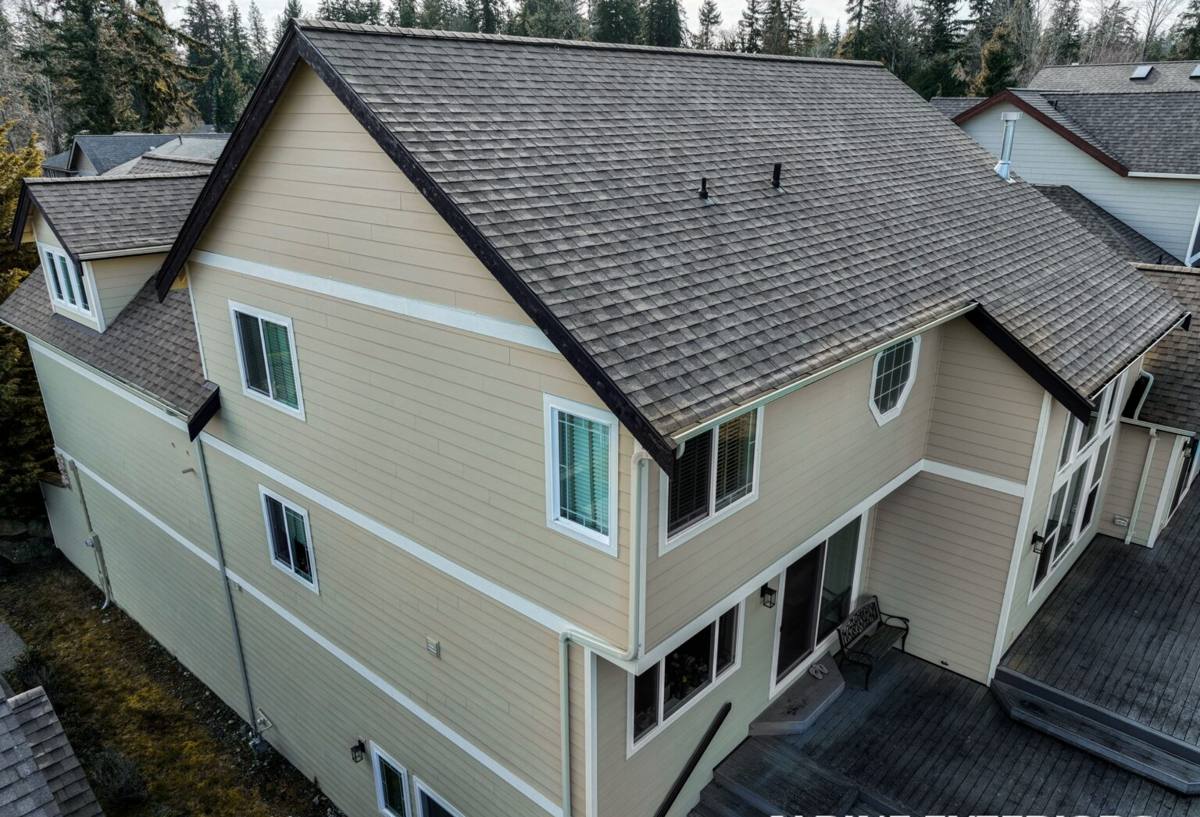
Why Composite Makes Sense for This Environment
Composite decking exists because wood, in a coastal climate like this one, is a maintenance commitment most homeowners don't want. Salt air accelerates the drying and checking that leads to splinters and gray, weathered boards. Intense sun bakes finish and sealer off exposed wood in a season or two, not the several years a product label might promise inland. Composite doesn't need staining or sealing, and the better products resist fading and moisture absorption far longer than natural wood under this kind of sun and salt load.
That doesn't mean every composite board is equal, or that composite is maintenance-free. It means the trade-offs shift: instead of managing rot and refinishing, you're managing correct installation, proper fastening for wind uplift, and picking a board formulated to actually handle UV and moisture rather than just tolerate it.
What "Correct" Composite Decking Looks Like Here
- Framing rated for coastal exposure — typically pressure-treated lumber suited to ground contact/moisture ratings, or in some cases aluminum or composite substructure where budget and design allow
- Hidden fastener systems or approved face-screwing that keeps water from pooling in fastener heads
- Board gapping set for Florida's heat swings, not a generic national spec — undersized gaps buckle in summer, oversized gaps trap debris and moisture
- Ventilation beneath the deck so trapped humidity and salt moisture don't sit against the framing
- Corrosion-resistant, marine-grade fasteners and joist hangers — standard hardware corrodes fast this close to the Gulf
- Railing and post attachment engineered for wind load, not just for looks
The Climate Factors That Actually Drive the Job
Salt Air and Metal Hardware
This is the single biggest difference between a Siesta Key deck build and one twenty miles inland. Standard galvanized fasteners and brackets that would last decades in Bradenton can start showing corrosion within a few years on the Key. We spec stainless or coated marine-grade hardware for framing connections, and it's not an upsell — it's the difference between a deck that needs hardware replaced under the boards in year six and one that doesn't.
UV Exposure
Composite boards vary a lot in how their color and finish hold up under sustained, high-intensity sun. Cheaper caps and older-generation composite formulations can fade or chalk faster than homeowners expect, especially on south- and west-facing decks that get sun most of the day. We talk through cap technology and color retention with every homeowner up front, because this is where the biggest visible difference between product tiers shows up over five to ten years.
Wind-Driven Rain and Drainage
Storms here don't just drop rain straight down — wind pushes it sideways, under railings, and into any seam that isn't detailed correctly. Deck drainage, flashing where the deck meets the house, and proper slope away from the structure all matter more here than on a landlocked build. A deck that looks fine the first dry season can show water intrusion at the ledger board after the first real tropical system if these details were skipped.
Hurricane-Force Wind Loads
Railings, post bases, and ledger attachment all need to be built to resist uplift and lateral load, not just support foot traffic. This is a code and engineering question as much as a materials one, and it's where a lot of shortcut installs get exposed during a bad storm season.
Our Process for a Siesta Key Composite Deck
- On-site assessment — we look at sun exposure, proximity to water, existing framing condition (for replacement or resurfacing jobs), and drainage around the structure
- Product selection — we walk through composite tiers based on your budget, sun exposure, and how the deck will be used, including honest talk about which products hold color and resist moisture best in this specific environment
- Framing evaluation or build — for resurfacing jobs, we inspect the substructure before covering it with new decking; a beautiful composite surface over compromised framing is a problem waiting to happen
- Installation — hidden fastener systems where appropriate, marine-grade hardware throughout, proper gapping and ventilation
- Railing and code compliance — built to current wind load requirements for the area, not just to pass a casual look
- Final walkthrough — we go over care basics (there's still some, even with low-maintenance composite) and what to watch for after storm season
Composite Decking Cost Factors on Siesta Key
Pricing depends on square footage, board tier, substructure condition, and railing style, but the factors below are what actually move the number on an island job compared to a mainland one.
| Factor | Why It Affects Cost Here |
|---|---|
| Hardware grade | Marine-grade stainless or coated fasteners cost more than standard galvanized but resist salt corrosion |
| Framing condition | Older framing near the Gulf often needs more repair or full replacement before new decking goes down |
| Board tier | Higher-cap composite with better UV/color-retention technology costs more upfront but holds up longer under this sun |
| Access | Tight island lots and limited staging space can add labor time compared to mainland properties |
| Railing/code requirements | Wind-rated railing systems and proper post anchoring add cost but aren't optional in this exposure category |
We give straightforward, itemized estimates so you can see where the money is going rather than a single lump number.
Why a Crew That Already Works Siesta Key Matters
Decking work on a barrier island isn't the same trade as decking work five miles inland. A crew that hasn't worked this specific stretch of coast can underspec hardware, miss ventilation details that matter in this humidity, or use a fastening approach that's fine in a drier, less corrosive climate but won't hold up here. We work in Sarasota County regularly, including on the Key, and that means we already know which details can't be skipped and which product lines have actually performed well for homeowners in this exact environment — not just on a spec sheet, but after a few Gulf storm seasons.
It also means practical things: we understand the access constraints of island properties, we're not learning wind-load railing requirements for the first time on your job, and we're not guessing at how a board will hold its color after two summers of this sun.
Maintenance Expectations, Honestly
Composite is low-maintenance, not no-maintenance, especially this close to the Gulf. A realistic maintenance checklist:
- Rinse salt residue off the surface periodically, more often if the deck faces open water or gets regular spray
- Keep gutters and drains near the deck clear so water isn't sheeting across the surface unnecessarily
- Check railing post bases and fastener heads annually, especially after a busy storm season
- Clean debris out of board gaps so moisture doesn't sit trapped against the substructure
- Inspect the ledger board connection to the house periodically for any sign of water intrusion
None of this is heavy work, but skipping it is how a good composite deck starts looking like a neglected one years before it should.
Getting a Deck Right the First Time
The most common repair calls we get on decks near the water aren't from composite decking itself failing — they're from installation shortcuts: wrong hardware, poor ventilation, inadequate railing attachment, or framing that wasn't right for the site to begin with. Composite decking is a genuinely good long-term choice for Siesta Key when it's specified and installed correctly for this exposure. It's a headache when it's treated like a generic product installed the same way it would be in a dry inland climate.
If you're planning a new deck, replacing worn decking on existing framing, or just want a second opinion on a deck that isn't holding up the way it should, we're happy to take a look. Fill out the form below for a free, no-pressure estimate — we'll walk the site, talk through what your specific location and sun exposure call for, and give you a straight answer on what the job actually needs.