 Sarasota Window
 Why Siesta Key Roofs Take a Different Kind of Beating
Siesta Key sits out on the Gulf, which means every roof here deals with a harder combination of stressors than a roof ten miles inland in Sarasota County. Salt-laden air corrodes metal faster. Direct, near-constant Gulf breeze pushes rain sideways up under shingles and tile laps during storms. Intense year-round UV bakes sealants, granules, and underlayment until they get brittle years before they should. And when a tropical system or hurricane-force wind event comes through, barrier island roofs are first in line.
None of that means a Siesta Key roof needs babying — it means it needs repair work done by someone who understands what's actually failing and why, not just where water happens to be showing up on your ceiling.
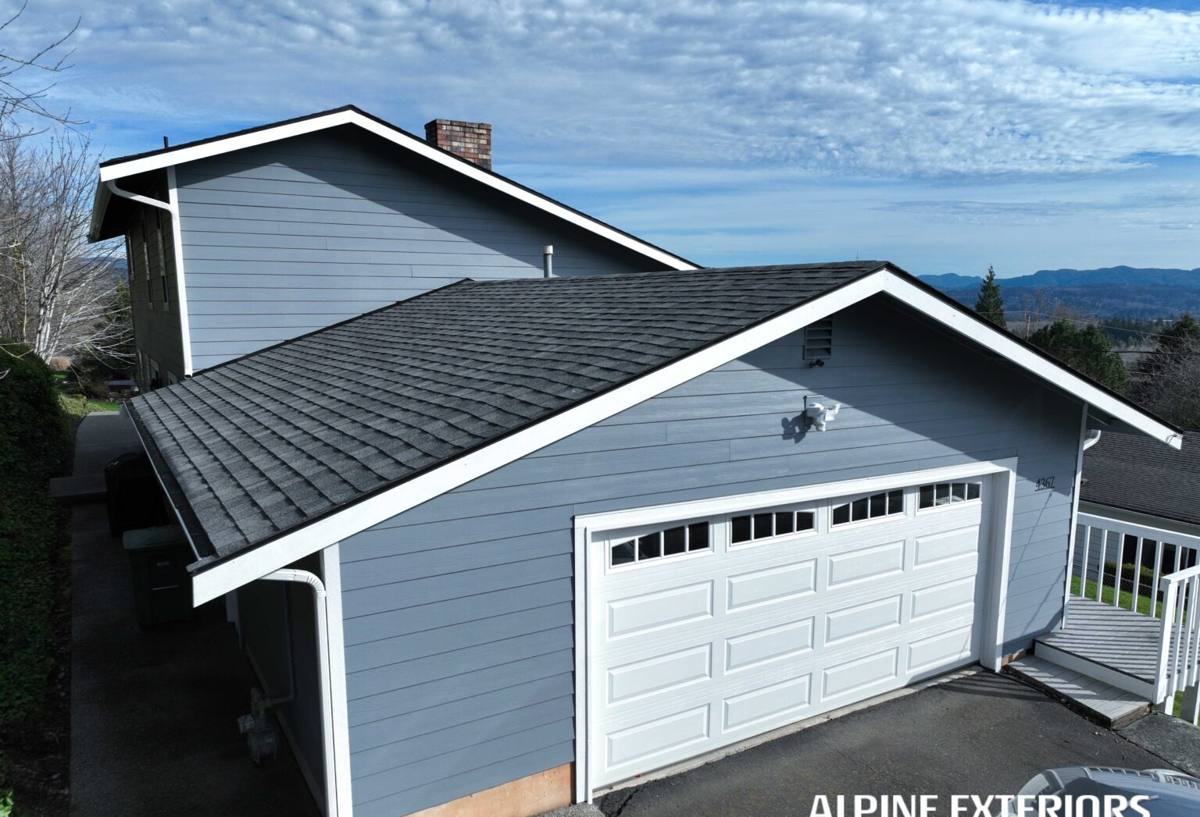
Common Roof Repair Problems We See on Siesta Key Homes
Most repair calls out here fall into a handful of patterns:
- Wind-lifted or missing shingles along ridges, hips, and roof edges, where wind uplift is strongest
- Cracked, slipped, or displaced tiles after a storm, especially near valleys
- Failed flashing around chimneys, skylights, and roof-to-wall transitions where sealant has dried out in the UV
- Leaks that show up well away from the actual entry point, because water travels along the decking before it drips through
- Soffit and fascia damage from wind-driven rain finding gaps at the roof edge
- Granule loss and surface wear on shingle roofs that have taken years of direct Gulf sun
A lot of these start small. A slipped tile or a lifted shingle tab doesn't look urgent, but it's an open door for wind-driven rain the next time weather rolls through, and on a barrier island that next time isn't hypothetical.
Why Leaks Are Trickier to Pin Down Here
Water rarely enters where it shows up inside the house. It follows the decking, a rafter, or a layer of underlayment until it finds a low point or a gap to drip through. On a roof that's already dealing with salt-air corrosion at fasteners and flashing seams, there can be more than one entry point feeding the same stain. Chasing the visible stain instead of the actual source is the single biggest reason repairs fail and the leak "comes back."
What Salt Air and Barrier Island Exposure Actually Do to a Roof
Salt air is corrosive to exposed metal — nails, flashing, screws, and any unprotected fasteners take on rust and pitting faster near the coast than they would further inland. Once a fastener corrodes, it loses its grip, and a shingle or tile that was properly secured a few years ago can start working loose. Combine that with humidity that stays high most of the year, and you also get conditions where trapped moisture under a roof covering doesn't dry out quickly — which is how a small leak turns into rotted decking or a mold problem before anyone notices.
This is also why we pay close attention to ventilation during any repair call. A roof that can't breathe holds heat and moisture against the underside of the decking, which accelerates every other problem on this list.
What a Proper Roof Repair Actually Involves
A repair that's done right is not just sealing the spot where water is visibly getting in. It involves:
- Finding the real source — tracing water intrusion back along the roof plane, not just caulking the symptom
- Checking the decking — soft or delaminated plywood under a leak needs to be addressed, or the new covering will fail again
- Replacing compromised underlayment in the repair area, not just the surface material
- Rebuilding flashing correctly at any wall, chimney, skylight, or valley intersection involved — flashing is where most leaks actually originate
- Matching the repair to the existing roof as closely as possible in material, profile, and fastening method
- Confirming fastener and sealant integrity in the surrounding area, since if one section corroded or dried out, nearby sections are usually not far behind
Skipping any of those steps is how you end up paying for the same repair twice.
Our Roof Repair Process
We keep the process straightforward because homeowners deserve to know exactly what they're paying for:
- Inspection: We get on or safely examine the roof and look beyond the obvious damage — surrounding shingles, tiles, flashing, and decking condition all get checked
- Diagnosis and written scope: You get a clear explanation of what's actually failing, why, and what the repair will involve — before any work starts
- Repair: We fix the source, not just the symptom, using materials and methods appropriate to your roof type
- Cleanup: Nails, debris, and old material get cleared from the roof and property
- Documentation: You get before/after notes on what was found and fixed — useful for your own records and for insurance if the damage was storm-related
If we find something during inspection that's beyond a repair — widespread decking rot, a roof nearing the end of its service life, storm damage that's more extensive than it first appeared — we'll tell you plainly and explain the tradeoffs. We don't pad a repair scope to avoid an honest conversation about replacement.
Repair vs. Replacement: How We Help You Decide
Not every damaged roof needs to come off. But there's a point where repeated repairs cost more than facing a replacement head-on. Here's how we think through it with homeowners:
| Factor | Leans Toward Repair | Leans Toward Replacement |
|---|---|---|
| Roof age | Well within expected service life | At or past the end of its typical lifespan |
| Damage extent | Localized to one area or system | Spread across multiple sections |
| Decking condition | Solid, no rot found | Soft spots or rot in more than one area |
| Repair history | First or second repair on the roof | Repeated repairs to the same or nearby areas |
| Underlayment condition | Still intact and pliable | Brittle, cracked, or failing broadly |
Cost is obviously part of this conversation too, but we'd rather give you the honest picture of roof condition first and let that drive the decision, rather than steering you toward the bigger job by default.
Materials We Use and Why
When we repair a section of roof, the goal is for it to match and perform like the rest of the roof, not stand out as a patch. That means sourcing shingles or tile as close to your existing product as we can, using corrosion-resistant fasteners suited to coastal exposure, and installing flashing and sealants rated for the UV and moisture conditions Siesta Key actually sees — not just whatever is cheapest or fastest to install. On tile roofs, that also means handling tile carefully during removal and reinstallation so we're not creating new breakage in areas that were never damaged to begin with.
We also don't push a product change mid-repair just because a newer material exists. If your existing roof covering is sound and simply needs a section repaired, we work within that system rather than mixing incompatible materials that can behave differently under heat and wind — that mismatch is its own long-term liability.
Signs Your Siesta Key Roof Needs Repair Now
Some of these are obvious, some aren't — worth checking after any significant wind event or storm:
- Missing, curled, or cracked shingles, especially along ridges and edges
- Cracked, slipped, or missing roof tiles
- Visible daylight through the attic decking or soffits
- Water stains on ceilings or interior walls, even faint ones
- Granules collecting in gutters or at downspout outlets
- Soft or spongy feeling spots when walking the roof (leave this to a professional)
- Rusted or visibly corroded flashing around chimneys, vents, or skylights
- Musty smell in the attic, which can indicate trapped moisture
If you're seeing more than one of these, it's worth having the roof looked at before the next storm rather than after.
Why It Matters to Hire a Crew That Already Works Siesta Key
Barrier island work has its own logistics — limited access points, HOA or community requirements in some areas, and permitting through Sarasota County that applies specifically to coastal construction. A crew that regularly works Siesta Key already knows how to navigate those steps without your repair getting held up. Just as important, we know what failure patterns to expect on a roof that's been exposed to Gulf wind and salt air for years, which means less time spent guessing during diagnosis and a repair scope that addresses what's actually happening, not just what's easiest to see from the ground.
If your roof took a hit from wind or rain, or you've noticed any of the warning signs above, we're glad to come take an honest look. The estimate is free, there's no pressure to move forward, and you'll get a clear explanation of what we find — use the form below to get started.