 Sarasota Window
 Siesta Key Puts Siding Through More Than Most Sarasota Homes See
A barrier island sits in a different weather lane than the mainland. Siesta Key homes take salt-laden air off the Gulf almost daily, intense UV exposure nearly year-round, wind-driven rain that finds every gap in a wall system, and the real possibility of hurricane-force wind loads during storm season. Siding that would hold up fine a few miles inland can fail years early out here — not because it was a bad product everywhere, just the wrong product for this exposure.
When we talk about "siding replacement" on Siesta Key, we're not talking about a cosmetic refresh. We're talking about rebuilding the first line of defense between your home and a coastal climate that never really lets up. That changes what materials we'll put on a wall, how we detail it, and how we sequence the work.
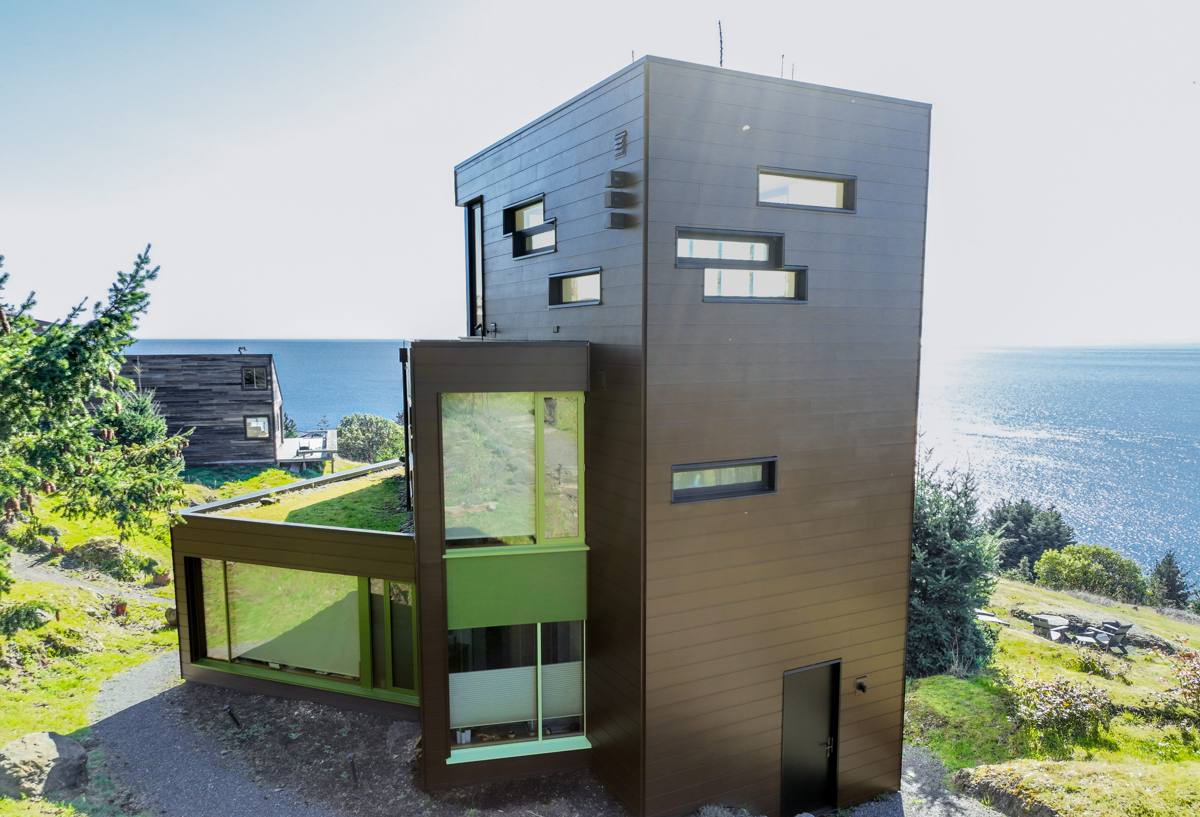
What Salt Air, UV, and Wind-Driven Rain Actually Do to Siding
Each of these stresses attacks siding differently, and understanding the mechanism matters for understanding why the fix has to be material-specific, not just a fresh coat of paint.
Salt Air
Airborne salt settles on every exterior surface near the coast. On materials sensitive to moisture intrusion, it accelerates fastener corrosion, breaks down caulking and sealants faster than inland exposure, and can work its way into seams and end cuts that aren't properly sealed.
UV Exposure
Florida sun is intense and consistent. Factory-applied finishes hold color and integrity far longer than field-applied paint, which chalks, fades, and needs recoating on a much shorter cycle when it's baking under this kind of sun load.
Wind-Driven Rain
Rain that comes in sideways during a storm doesn't behave like rain falling straight down. It gets pushed up under laps, into seams, and behind poorly flashed penetrations. A siding system is only as good as its water management details — the material itself is half the story.
Signs a Siesta Key Home Needs Siding Replacement, Not Just Repair
Coastal wear doesn't always look dramatic from the street. Some of the most serious damage is easiest to miss until it's expensive.
- Soft or spongy spots when you press on the siding, especially near the bottom courses and around windows and doors
- Visible warping, buckling, or panels that no longer sit flat against the wall
- Paint that's failing across large sections rather than a single weathered spot
- Persistent staining or dark streaking that keeps returning after cleaning
- Rust bleeding from fastener heads or corroded trim and flashing
- Rising interior humidity, musty odors, or peeling interior paint near exterior walls
- Visible gaps opening up at seams, corners, or where siding meets trim
- Siding that's original to a home built before more recent hurricane-code updates
Any one of these can be a spot repair. Several at once, or damage that keeps recurring after repairs, usually means the wall system itself has reached the end of its service life.
Why We Install Only James Hardie Fiber Cement Here
We don't install vinyl, LP SmartSide, Cemplank, Allura, or primed wood siding — on Siesta Key or anywhere else we work. That's a deliberate standard, not a sales pitch, and it's worth explaining honestly.
Vinyl siding can soften, warp, or blow off in high wind, and it relies heavily on caulking and lap seams to keep water out — seams that take a beating under wind-driven rain. Engineered wood products like LP SmartSide perform reasonably well in drier climates, but wood-based cores are more sensitive to sustained moisture exposure, and a barrier island is a tough proving ground for any wood-based product over decades. Other fiber cement brands compete on price but don't all bring the same factory finish warranty or engineering behind their climate-specific product lines.
James Hardie fiber cement is non-combustible, engineered specifically for humid, coastal exposure, and finished at the factory under controlled conditions rather than painted on site — which is a major factor in how well it holds up to UV and salt air over time. It's not the cheapest material on the market, and we're upfront about that. It's the material we're willing to warranty and put our name behind on a barrier island.
The HZ5 Product Line: Built for This Exact Climate
James Hardie engineers its siding by climate zone rather than a single one-size-fits-all formula. The HZ5 line is engineered for hot, humid regions with high moisture exposure — which describes Siesta Key about as well as any location in the country. It's manufactured to resist moisture-related damage and hold up under the freeze-free, high-humidity conditions that define Gulf Coast living, paired with a factory-applied ColorPlus finish that's baked on rather than brushed on, so color retention and fade resistance are built in rather than dependent on how well a paint job was done in the field.
The practical upshot for a homeowner: less repainting, a finish that resists the chalking and fading that Florida sun causes on lesser coatings, and a product engineered around the specific moisture load your home actually faces.
What a Correct Siding Replacement Involves Out Here
The material is only part of the job. Installation detail is where a lot of coastal siding failures actually originate, even on good products.
Tear-Off and Substrate Inspection
Once old siding comes off, the sheathing and framing underneath get inspected for hidden moisture damage or rot. Coastal humidity means this step turns up problems more often than inland tear-offs do, and it has to be addressed before anything new goes back up.
Water-Resistive Barrier and Flashing
A correctly lapped weather-resistive barrier, properly integrated window and door flashing, and sealed penetrations are what actually stop wind-driven rain — the siding sheds the bulk of the water, but the barrier behind it handles what gets through.
Fastening for Wind Load
Fastener type, spacing, and placement all need to match the wind zone requirements for your specific location, following manufacturer specs for high-wind installation rather than generic fastening patterns.
Proper Gaps and Clearances
Hardie siding needs specific clearances from grade, roof lines, and other surfaces to manage moisture and allow proper drainage — corners cut here are a common source of early problems on otherwise good installations.
Sealed Joints and Cut Ends
Factory finish protects the face of the board; field-cut ends need to be primed and sealed correctly, especially in a salt-air environment where any exposed, unsealed edge is a weak point.
What Affects the Cost of a Siding Replacement on Siesta Key
Every home is different, but these are the factors that most commonly move the price on a project out here. We'll always walk your specific home before giving a number rather than quoting off general ranges.
| Factor | Why It Matters in Siesta Key |
|---|---|
| Home size and wall complexity | More corners, dormers, and trim details mean more cutting, flashing, and labor time |
| Substrate condition | Coastal humidity increases the odds of hidden sheathing or framing repair needed before new siding goes on |
| Siding profile and accessories | Lap width, trim style, and soffit/fascia work all affect material and labor cost |
| Access and site conditions | Narrow lots, close-set homes, and limited staging space common on the island can affect crew logistics |
| Permitting and wind-zone requirements | Coastal wind-load and building code requirements can affect fastening specs and inspection steps |
| HOA or deed restriction review | Some Siesta Key communities require design or color approval before work begins |
Our Process for Siesta Key Homes
Working on a barrier island community brings logistics that don't come up on a typical mainland job — narrow streets, tighter lot lines, seasonal traffic patterns, and in some neighborhoods, an HOA or architectural review process that needs to sign off before work starts. We build all of that into scheduling and planning up front rather than discovering it mid-project.
On site, the sequence is straightforward: protect the property and landscaping, tear off and dispose of old siding, inspect and repair the substrate as needed, install the water-resistive barrier and flashing correctly, hang and fasten the new Hardie siding to spec, finish trim and details, and do a final walkthrough with you before we call it done.
Why Hiring a Crew That Already Works Siesta Key Matters
A contractor who mostly works inland Sarasota County jobs isn't necessarily wrong about siding — but they may not have hands-on experience with the specific challenges a barrier island throws at a wall system: heavier corrosion resistance needs on fasteners and hardware, tighter wind-load fastening requirements, and the HOA and permitting processes specific to island communities. A crew that regularly works Siesta Key has already run into the site-access quirks, code requirements, and moisture issues that are common here, and builds the job around them instead of learning on your house.
Local, Sarasota County-based experience also means faster response if something needs a follow-up look after a storm, and a working relationship with the same local permitting and inspection process year after year.
If your Siesta Key home's siding is showing wear, or you're just not sure whether you're looking at a repair or a full replacement, we're happy to take a look. Reach out for a free, no-pressure estimate — walk the property with us, ask us anything, and get a straight answer about what your home actually needs.