 Sarasota Window
 Southside Village's Siding Has to Work Harder Than Most
Southside Village sits close to downtown Sarasota and Sarasota Bay, and that proximity is a mixed blessing for exterior materials. The same water views that make the neighborhood desirable also mean salt-laden air moving across siding, trim, and fasteners almost year-round. Add in Gulf Coast humidity, intense UV exposure nearly every day of the year, and the wind-driven rain and hurricane-force gusts that come with living in Sarasota County, and you have a climate that finds every weak point in an exterior wall system faster than almost anywhere else in the country.
This isn't a generic "hot and humid" pitch — it's the specific reason siding choice and installation quality matter more here than in a mild inland climate. A product or install method that holds up fine in the Midwest can fail in a fraction of the time on a home a few blocks from the bay.
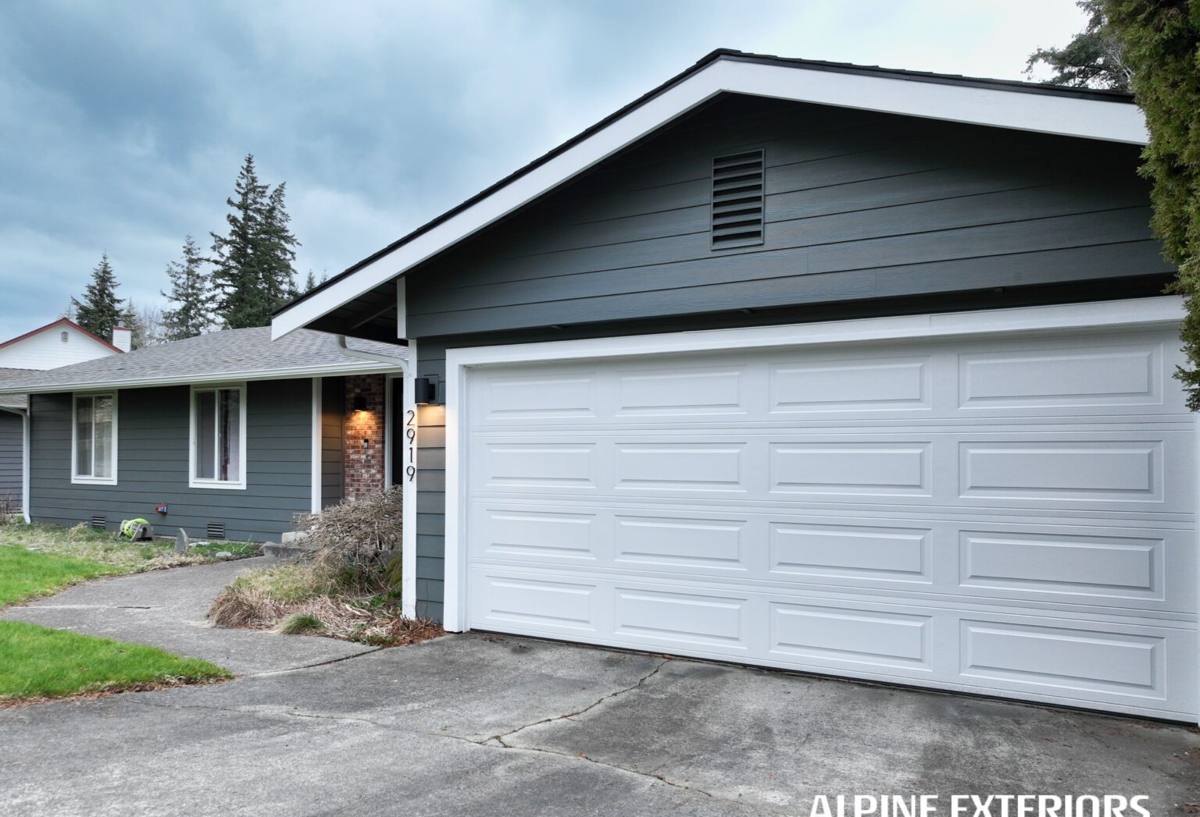
What's Usually Going On Behind the Walls in This Neighborhood
Southside Village has a mix of older Florida homes and more recently updated properties, which means we see a real range of existing siding conditions on estimate visits: original wood lap siding that's been painted over for decades, older vinyl that's chalked and warped from UV exposure, and in some cases aging fiber cement that was never installed to spec in the first place. None of these are unusual for a walkable, established in-town neighborhood — but each comes with its own set of problems once you look closely.
- Wood siding that looks fine from the street but has soft, rotted sections at butt joints and around penetrations
- Vinyl that's cracked or bowed from repeated heat cycling and wind loading
- Caulk-dependent trim details that were never properly flashed, letting wind-driven rain track behind the cladding
- Fasteners and trim hardware showing rust or corrosion from salt air, even when the siding itself still looks okay
Because Southside Village is close enough to the water for salt exposure but still a standard residential zone (not a barrier island), homeowners here sometimes underestimate how much that bay proximity accelerates wear. It's a real factor in how long a siding job actually lasts.
Why We Only Install James Hardie Fiber Cement
We made a decision early on to install one siding system — James Hardie fiber cement — and to turn down jobs that call for something else. That's not a marketing angle; it's a standard we hold because of what we've seen hold up on Gulf Coast homes and what doesn't.
Vinyl is inexpensive and easy to install, but it's a petroleum-based product that softens and expands in extreme heat and becomes brittle with UV exposure over years — exactly the two conditions Sarasota delivers in abundance. It can also deform or blow off in sustained high winds if not installed and rated correctly. Wood siding (cedar, primed spruce) can look great, but it demands an ongoing maintenance commitment — repainting, caulking, moisture monitoring — that most homeowners don't want to sign up for indefinitely in a humid coastal climate. Engineered wood products like LP SmartSide perform better than raw wood in some respects, but they're still wood-based at the core, meaning moisture intrusion at a damaged edge or unsealed cut can lead to swelling and deterioration faster than a cement-based product.
James Hardie fiber cement is non-combustible, dimensionally stable across heat cycles, and doesn't rot, swell, or attract insects the way wood-based products can. It's engineered specifically for high-humidity, high-UV, storm-prone regions, which is precisely the environment Southside Village sits in. That's why it's the only product we put our name behind.
What a Correct Installation Actually Involves Here
Fiber cement siding is only as good as the installation behind it. A rushed or under-specified install can fail years before it should — moisture gets behind panels, fasteners back out under wind load, or trim details let water track into the wall assembly. For a Southside Village home, we build the assembly around what the location actually experiences:
Weather Barrier and Flashing First
Every square foot of sheathing gets a continuous weather-resistant barrier before a single piece of siding goes up, with flashing detailed around every window, door, and penetration. This is the layer that actually stops wind-driven rain from reaching your framing — the siding itself is the second line of defense, not the first.
Fastening for Wind, Not Just Appearance
James Hardie specifies different fastening schedules depending on wind exposure and product line. We follow the manufacturer's high-wind fastening requirements rather than a generic pattern, because under-fastened siding is one of the most common causes of storm damage we see on homes that were "sided" but not sided correctly.
Clearances and Gaps
Proper gaps at butt joints, corners, and against roofing, decks, or other abutting surfaces let the assembly manage moisture the way it's designed to, instead of trapping water where two materials meet.
HZ10 Product Specification
James Hardie engineers certain product lines specifically for high-humidity, high-moisture climates like Florida's Gulf Coast. We spec the correct climate-engineered version for the region rather than a generic national product, because the formulation and coating differ by zone.
How Our Process Works, Start to Finish
Homeowners want to know what they're actually signing up for, so here's the shape of a typical Southside Village project:
- On-site assessment — we inspect existing siding, sheathing condition, and any trouble spots (window returns, corners, low clearance areas) before quoting anything
- Written scope and product selection — you'll know exactly which Hardie product line, profile, and color are being used, and why, before work starts
- Tear-off and sheathing check — old siding comes off and we inspect the sheathing underneath for rot or damage, addressing any issues before house wrap goes on
- Weather barrier and flashing installation — the part that determines whether the job holds up in a storm
- Hardie siding installation to manufacturer wind and fastening specs
- Trim, caulking, and final detailing
- Walkthrough — we go over the finished work with you directly before calling the job done
Color and Style That Fits the Neighborhood
Southside Village has a distinct in-town character — a mix of classic Florida cottage-style homes and more updated properties, all within a walkable, established setting. James Hardie's ColorPlus factory-finish system gives you a wide range of colors baked onto the board at the factory, so the finish resists fading far longer than a standard field-applied paint job — a real advantage under Sarasota's near-constant UV exposure. Whether a home is leaning traditional coastal cottage or more contemporary, Hardie's lap, shingle, and board-and-batten profiles cover the range of looks the neighborhood actually has, without defaulting to one generic style.
What Actually Drives the Cost of a Hardie Job Here
| Factor | Why It Matters |
|---|---|
| Tear-off and disposal of existing siding | Full removal of old wood or vinyl adds labor and disposal cost versus installing over existing material (which we generally don't recommend) |
| Sheathing repair | Rot or moisture damage found during tear-off has to be fixed before new siding goes on — this is discovered, not always predictable at quote time |
| Home size and wall complexity | More corners, dormers, and trim details mean more cutting, flashing, and labor hours |
| Product line and profile | Lap, shingle, and board-and-batten profiles carry different material and labor costs |
| Color | Factory ColorPlus finishes vs. primed boards for field painting affect both material cost and long-term maintenance |
| Accessibility | Tight lot lines, mature landscaping, or limited staging space common in established neighborhoods can affect labor time |
Why a Crew That Already Works This Neighborhood Matters
Siding work in an established, in-town neighborhood like Southside Village is different from working a new-construction subdivision. Lots tend to be tighter, mature trees and landscaping often need to be protected during tear-off and staging, and homes were frequently built in different eras with different sheathing types underneath. A crew that's already worked in the area knows what to expect before pulling the first board, which means fewer surprises, more accurate quotes, and a cleaner jobsite for you and your neighbors throughout the project.
It also means we're not guessing at how Sarasota's specific mix of wind exposure, salt air, and UV plays out on real homes — we're applying what we've already seen hold up and what hasn't.
Signs Your Current Siding Needs Attention
- Visible warping, bowing, or buckling anywhere on the siding
- Soft spots when you press on wood siding, especially near the bottom courses or window trim
- Chalking, fading, or cracking finish, particularly on sun-exposed elevations
- Rust streaks or corrosion around fasteners and trim hardware
- Gaps or separation at corners and butt joints
- Rising utility bills or noticeable drafts, which can point to a compromised weather barrier
If any of these sound familiar, it's worth having the siding looked at before small issues turn into sheathing or framing repairs.
If you're in Southside Village and want a straight answer on what your home's siding actually needs, we're glad to take a look. The estimate is free, there's no pressure, and you'll get a clear explanation of what we find — just fill out the form below to get started.