 Sarasota Window
 Roofing Southside Village: A Different Set of Conditions Than Most of the Country
Southside Village sits close to downtown Sarasota, with a mix of older, established homes and newer infill construction under a heavy tree canopy. That combination — mature landscaping, homes of varying ages and roof histories, and proximity to the water — means a new roof here has to do more than shed rain. It has to survive tropical storm systems, hold up to a full year of intense Florida UV, shrug off wind-driven rain that finds every weak seam, and resist the slow corrosion that comes from living this close to the Gulf. A roof designed for a drier, cooler climate simply doesn't last as long down here, no matter how well it's installed.
We install new roofs throughout Sarasota County, and Southside Village is one of the areas we work in regularly. That matters more than most homeowners realize — a crew that already knows the neighborhood's housing stock, the local permitting office, and the way storms track through this part of the county makes fewer assumptions and fewer mistakes.
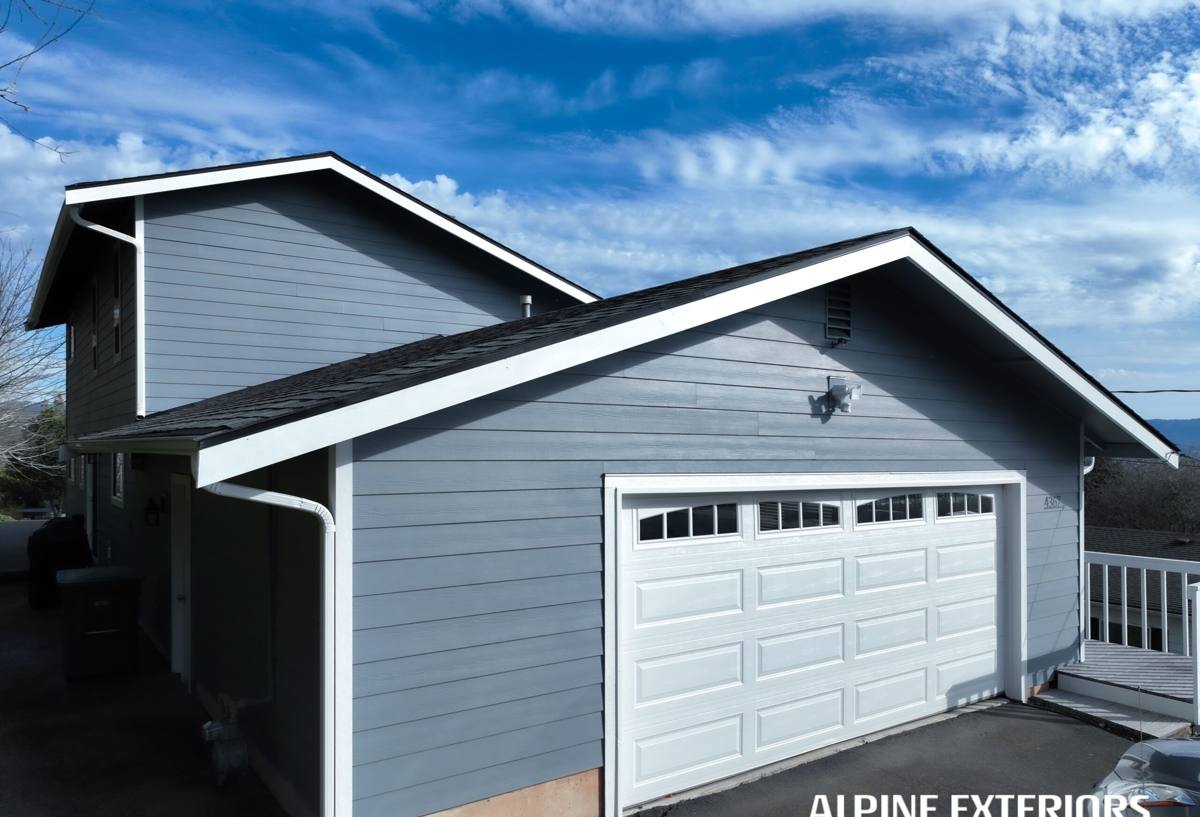
What Southside Village Homes Actually Need From a New Roof
Wind performance first
Sarasota County is in a high-velocity hurricane zone, which means the Florida Building Code requires specific wind uplift ratings, fastening patterns, and edge/corner detailing that don't apply in most of the country. A roof that's only "up to code" on paper but poorly executed in the field — wrong nail pattern, missed starter strip, skipped drip edge fastening — is where wind damage actually begins during a storm, not at the field of the roof.
UV and heat cycling
Sarasota gets sun exposure most manufacturers don't fully design for in their standard warranty terms. Shingles, underlayment, and sealants all age faster under sustained UV and the daily heat-up/cool-down cycle of a Florida summer. Material selection and proper ventilation both slow that aging down; skipping either shortens the roof's real-world life regardless of what the product label promises.
Wind-driven rain
During tropical storms and heavy squalls, rain here doesn't just fall — it's pushed sideways under shingle tabs, into vent flashing, and along roof-to-wall transitions. This is why underlayment selection and flashing detail work matter as much as the shingle or metal panel on top. Most roof leaks we're called out to inspect after a storm trace back to flashing and transition points, not the field material itself.
Salt air corrosion
Even a few miles from the coast, salt air accelerates corrosion on exposed fasteners, metal flashing, and vent hoods. That pushes us toward corrosion-resistant fastener and flashing choices as a standard, not an upsell, for anything installed in this part of the county.
Roofing Materials: How They Actually Perform in This Climate
There's no single "best" roofing material for every Southside Village home — it depends on the roof's pitch, the home's age and structure, your budget, and how long you plan to own the property. Here's how the common options actually compare under Sarasota conditions:
| Material | Wind Performance | UV/Heat Durability | Maintenance | Typical Lifespan Here |
|---|---|---|---|---|
| Architectural asphalt shingle | Good, with correct high-wind fastening and rated products | Moderate — granule and sealant aging is the limiting factor | Low | 15–25 years |
| Metal (standing seam or panel) | Excellent when properly fastened | Very good; reflects heat, resists UV breakdown | Low | 30–50 years |
| Concrete or clay tile | Excellent when installed with correct fastening system | Excellent — the material itself doesn't degrade from sun | Moderate — underlayment beneath tile still ages and needs eventual replacement | 30–50+ years (underlayment often needs mid-life replacement) |
| 3-tab asphalt shingle | Weaker wind rating than architectural shingles | Lower — thinner profile ages faster in constant sun | Low | 10–18 years |
We'll walk you through which option fits your roof's structure and your budget honestly — including the trade-offs. Tile, for example, looks great and lasts a long time, but it's heavier and requires a structure rated for that load, plus the underlayment underneath it still has a service life of its own. Metal costs more up front but generally costs less over the life of the roof.
Our New Roof Installation Process
1. Inspection and honest estimate
We start by getting on the roof — not just looking from the ground — to check the deck condition, existing ventilation, flashing points, and any prior repair history. You get a written estimate that spells out material, scope, and price, with no vague allowances buried in the fine print.
2. Permitting and wind mitigation paperwork
A full roof replacement in Sarasota County requires a permit, and we handle that process as part of the job. We also provide the documentation your insurance company needs for wind mitigation credits — this is one of the most overlooked parts of a roofing project, and it can directly affect your homeowner's insurance premium going forward.
3. Tear-off and deck inspection
We remove the old roofing material down to the deck and inspect every sheet of decking for soft spots, water staining, or rot before anything new goes down. Any damaged decking gets replaced — this isn't optional, and it's not something that should be decided after the new roof is already on.
4. Underlayment, flashing, and fastening
This is where most of a roof's real storm performance is decided. We install underlayment rated for this climate, detail every flashing point — chimneys, walls, vents, valleys — by hand, and follow the fastening pattern required for our wind zone, not a shortcut version of it.
5. Final material installation and inspection
The finish material goes on to manufacturer and code specification, followed by our own walk-through and, where required, a municipal inspection before the job is considered complete.
6. Cleanup and documentation
We clear the site of debris and old material, do a magnetic sweep for stray nails, and leave you with your permit closeout, warranty paperwork, and wind mitigation documents for your records and your insurer.
Permitting, Wind Mitigation, and Insurance in Sarasota County
A new roof isn't just a home improvement in this county — it's an insurance event. Sarasota County requires a permit for full roof replacement, and the county's wind mitigation inspection form documents things like roof shape, roof-to-wall connections, and secondary water barrier, all of which insurers use to calculate your windstorm premium. Skipping proper permitting or documentation can mean paying more for coverage than you need to, or having a claim disputed later because the work can't be verified. We treat this paperwork as part of the job, not an add-on.
Signs Your Southside Village Roof May Need Replacement, Not Another Repair
- Shingles that are curling, cracking, or losing granules across large sections rather than one isolated spot
- Soft or spongy areas underfoot, or visible sagging along the roofline
- Daylight visible through the attic decking, or water stains on interior ceilings after heavy rain
- Repeated flashing leaks around chimneys, skylights, or wall transitions despite prior repairs
- A roof approaching or past the upper end of its material's expected lifespan, especially heading into hurricane season
- Rising insurance premiums or a carrier flagging roof age or condition at renewal
If you're only seeing one or two of these, a repair may still be the right call — we'll tell you that plainly rather than push a full replacement you don't need yet.
Why a Local Crew Matters for This Neighborhood
Southside Village's mature trees and established lots mean staging, tear-off debris handling, and access often take more planning than a wide-open new-construction lot. A crew that already works this neighborhood knows what to expect before the truck shows up — narrower driveways, tree canopy to work around, and neighbors close by who deserve a clean, considerate job site. Storm-chasing crews that show up after a hurricane and leave once the work is done aren't the ones who answer the phone if something needs attention two years later. We live and work in this area, which is a direct incentive to install it right the first time.
After Installation: Keeping a New Roof Performing
A correctly installed roof in this climate still benefits from basic upkeep: keeping gutters and valleys clear of leaf debris from the tree canopy, having flashing points checked after major storms, and scheduling a periodic visual inspection rather than waiting for a visible leak. None of this is expensive or time-consuming, but it's the difference between a roof that reaches the top end of its expected lifespan and one that doesn't.
If your Southside Village roof is showing its age, was damaged in a storm, or you're simply planning ahead of hurricane season, we're happy to take a look and give you a straight answer — no pressure, no scare tactics. Fill out the form below for a free estimate and we'll schedule a time to get on the roof and talk through your options.