 Sarasota Window
 Storm Damage Roof Repair Built for Siesta Key
Siesta Key sits out on the Gulf, which means it takes the first hit from nearly everything that moves through the region — tropical storm bands, hurricane outer walls, and the pop-up summer thunderstorms that roll off the water most afternoons in season. A roof out here works harder than a roof ten miles inland, and when it gets damaged, the repair has to account for that. We provide storm damage roof repair for Siesta Key homeowners who need the job done right the first time, by people who understand what barrier island exposure actually does to a roof system.
This page covers what storm damage looks like on Siesta Key specifically, what a proper repair involves, and how we handle the process from the first call to the final inspection.
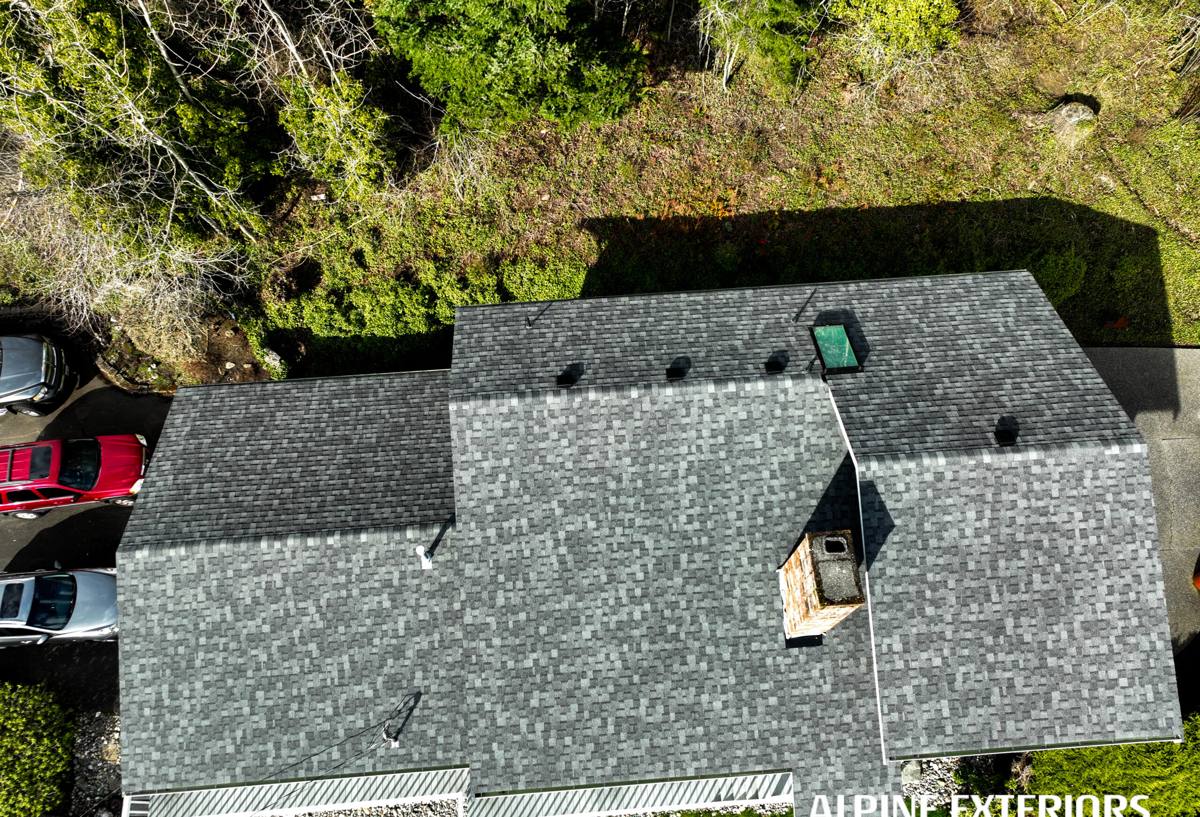
Why Siesta Key Roofs Take More Punishment
Being on a barrier island isn't just a location — it changes the physics of what a roof deals with every year.
Wind exposure with nothing to break it up
There's open water on more than one side of the Key, and that means wind loads can hit roofs here with less friction than a comparable roof set back among trees and buildings inland. Sustained tropical storm and hurricane winds get under loose shingles, tiles, and flashing edges and start peeling from the perimeter inward.
Salt air and metal fatigue
Salt-laden air corrodes exposed fasteners, flashing, and metal roof edges faster than it does even a few miles east. A nail or flashing seam that would last many seasons inland can corrode and lose its grip years sooner out here, which is often the hidden reason a "storm leak" shows up in a spot that wasn't even part of the visible damage.
Wind-driven rain finds every gap
During a real storm, rain in Sarasota County doesn't just fall — it comes in sideways. That means water gets forced up and under shingle tabs, through nail holes, and into any flashing gap that wouldn't leak in a normal rain. Storm damage repair on Siesta Key has to seal against wind-driven rain, not just patch what's visibly torn.
Year-round UV load
Florida's intense, near-constant sun bakes roofing materials even between storms, drying out sealants and making shingles more brittle. A roof that's already UV-stressed is far more likely to sustain real damage the next time wind gets underneath it, which is one reason older roofs on the Key tend to show storm damage faster than newer ones.
What Storm Damage Actually Looks Like
Not all storm damage is obvious from the ground. Some of it hides until a leak shows up inside the house, sometimes weeks later.
- Missing, cracked, or lifted shingles, especially along ridges, edges, and valleys
- Torn or lifted flashing around chimneys, skylights, and roof-to-wall transitions
- Granule loss that leaves shingles looking bald or patchy after high wind
- Bent, creased, or missing metal panels or fascia/drip edge on metal roofs
- Soft spots or staining on interior ceilings that trace back to a roof breach
- Debris punctures from tree limbs or wind-borne material
- Detached or loosened ridge caps and vents
- Water intrusion around plumbing boots and pipe penetrations
If any of this looks familiar after a storm, the priority is getting a professional look at it quickly — a small breach that sits open through a few more rain events gets expensive fast.
What a Correct Storm Repair Involves
A storm repair that just covers the obvious hole isn't a real repair — it's a temporary patch that will fail again in the next weather event. Here's what we actually check and address:
Full roof assessment, not just the damaged section
Wind damage rarely stays confined to one spot. We inspect the whole roof plane, not just where the visible problem is, because a storm strong enough to tear one section usually stressed the fasteners and seals around it too.
Underlayment and decking check
If water got under the roof covering, the underlayment and decking underneath may be wet, delaminated, or soft. Repairing the surface layer without checking what's underneath just seals moisture in, where it will rot decking and encourage mold.
Flashing and penetration repair
Flashing around chimneys, vents, skylights, and wall transitions is one of the most common places storm damage starts and one of the most commonly overlooked in a rushed repair. We reseal and, where needed, replace flashing rather than just caulking over a gap.
Matching materials correctly
Replacement shingles, tiles, or metal panels need to match the existing roof's profile and fastening pattern closely enough that the repaired section performs the same as the rest of the roof under wind load — not just look similar from the street.
Fastener upgrades where it makes sense
Given the corrosion salt air causes to standard fasteners over time, we use corrosion-resistant fasteners on repair work so the fix doesn't become the next area of weakness in a few years.
Our Repair Process
- Inspection and documentation. We walk the roof (or use safe alternative methods where roof access is a concern) and document the damage, including anything that may support an insurance claim.
- Honest scope of work. We tell you plainly what's storm damage versus what's pre-existing wear, and what actually needs repair versus what can wait.
- Temporary protection if needed. If there's an active leak or exposed decking, we get it covered and protected before the full repair is scheduled, so the interior of the home isn't taking on more water in the meantime.
- The repair itself. Removal of compromised materials, decking and underlayment repair as needed, correct flashing work, and matched replacement materials installed to manufacturer specification.
- Final walkthrough. We check the completed work with you and make sure the repair is sound before we consider the job done.
Repair vs. Replacement: How We Make That Call
| Factor | Usually Points to Repair | Usually Points to Replacement |
|---|---|---|
| Age of roof | Roof is under 10-12 years old | Roof is near or past its expected service life |
| Extent of damage | Damage isolated to one section or slope | Damage spread across multiple sections |
| Decking condition | Decking is dry and sound under the damage | Decking is soft, delaminated, or rotted in multiple spots |
| Prior storm history | This is the roof's first significant storm event | Roof has taken repeated storm hits over the years |
| Insurance scope | Claim covers a defined repair area | Adjuster scope or damage extent supports full replacement |
We won't push a full replacement when a proper repair will genuinely hold up, and we won't recommend a repair when the underlying roof is too far gone to make that money well spent. That call gets made honestly, based on what we find during inspection — not on which option pays more.
Working with Insurance on a Storm Claim
Many storm repairs on Siesta Key involve an insurance claim, and the documentation matters. We provide clear photos, a written scope of the damage, and a repair estimate that an adjuster can work from. We're happy to be on site during an adjuster's inspection if that's helpful, and we'll explain in plain terms what we're seeing and why it matters. What we won't do is inflate a scope of work or claim damage that isn't there — that approach causes problems for homeowners down the road, and it isn't how we operate.
Why Local Experience on Siesta Key Matters
A barrier island roof isn't the same job as a roof a few miles inland in Sarasota County, and a crew that mostly works inland can miss things that are obvious to someone who works the Key regularly:
- Knowing which flashing details tend to fail first under Gulf-facing wind exposure
- Recognizing salt-air corrosion patterns on fasteners and metal components before they cause a leak
- Understanding the wind-driven rain angles that catch homes on this side of the bay
- Familiarity with local permitting and code requirements that apply to roof repair work in the area
- Being able to respond quickly after a storm, when a lot of roofs need attention at once and access to the Key can be limited
We work in and around Sarasota County regularly, and Siesta Key repairs are a routine part of that work — not something we're figuring out on the fly.
Protecting the Repair Going Forward
A storm repair holds up longer when it's paired with basic ongoing care, especially in this climate:
- A visual roof check after any major wind event, even if nothing looks obviously wrong from the ground
- Keeping gutters and valleys clear so water isn't pooling against repaired areas
- Trimming back tree limbs that could strike the roof in high wind
- Addressing minor granule loss or small flashing gaps before the next storm season, rather than after
None of this replaces a professional inspection, but it reduces the odds that a small issue turns into another storm damage repair next season.
Get an Honest Look at Your Roof
If your Siesta Key home has storm damage — or you're not sure whether that spot on the ceiling is related to the last storm — we'll come take a look, explain what we find in plain language, and give you a straightforward estimate with no pressure to move forward. Use the form below to request your free estimate.