 Sarasota Window
 Building Decks for University Park's Real Conditions
University Park sits in an established, well-landscaped corner of the greater Sarasota area, and homes here tend to have the kind of mature trees, open backyards, and outdoor living space that make a deck a natural fit. But a deck built the way it might be built in a drier, milder climate doesn't hold up here. Sarasota County sees hurricane-force wind events, intense sun nearly every day of the year, wind-driven rain that gets pushed sideways under eaves and railings, and salt-laden air that moves inland from the Gulf. Any one of those would shorten the life of a poorly built deck. Together, they're unforgiving of shortcuts.
We build decks for University Park with those four conditions in mind from the first measurement, not as an afterthought. That means the fasteners, the flashing, the fastener spacing, and the decking material itself all get chosen for this climate specifically — not pulled from a generic build spec.
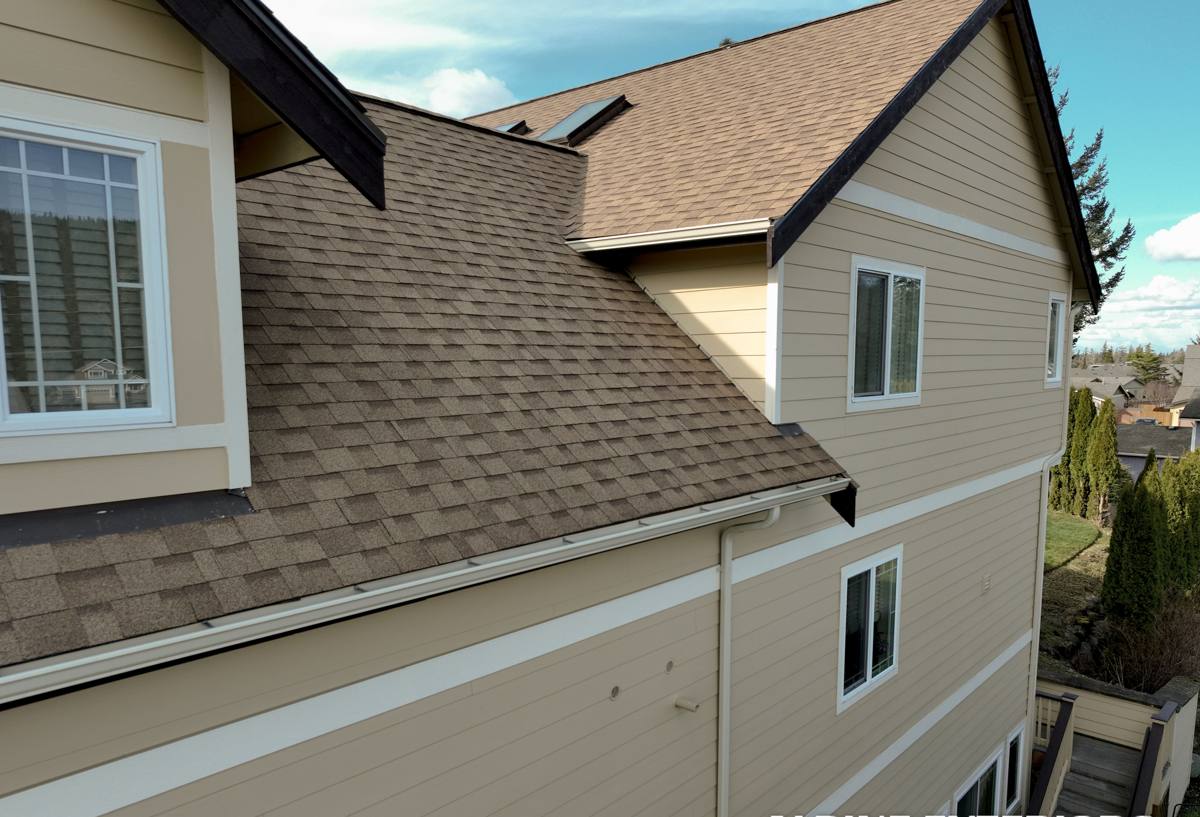
What Sun, Salt, and Storms Actually Do to a Deck
UV exposure
Florida sun is relentless on exposed wood and even on many composites. Untreated or poorly sealed wood grays, cracks, and splinters within a couple of seasons. Cheaper composite boards without real UV inhibitors can fade unevenly, especially on the side of the deck that gets the most afternoon sun.
Wind-driven rain
Rain in a Sarasota storm rarely falls straight down — it drives in at an angle, which means it gets behind railings, under ledger boards, and into any gap that wasn't properly flashed or sealed. That's where hidden rot starts, usually at the point where the deck attaches to the house.
Salt air
Even away from the immediate coastline, salt in the air accelerates corrosion on fasteners, brackets, and connectors. Standard galvanized hardware that's fine inland can pit and weaken faster near Sarasota's coastal air patterns.
Wind uplift
Deck railings and elevated structures act like sails in a storm. The Florida Building Code's wind-load requirements for our area exist because standard-duty framing and undersized ledger attachments have failed in real storms. A deck that looks solid on a calm day can still be under-built for what it needs to survive.
What a Correctly Built Deck Involves
A deck that's actually built for this climate — not just built to look good on move-in day — comes down to a handful of details that are easy to skip and expensive to fix later.
- Ledger board properly flashed and sealed against the house, not just lag-bolted through the siding
- Stainless steel or coated, corrosion-rated fasteners and joist hangers rated for coastal exposure — not standard interior-grade hardware
- Joist spacing and beam sizing calculated for the actual decking material and expected loads, not a one-size-fits-all layout
- Proper gapping between deck boards for drainage and wood movement, so water doesn't pool and wick into the structure
- Railing posts through-bolted into structural framing, not just screwed to the rim joist
- Footings sized and set to meet Sarasota County's permitted depth and bearing requirements for this soil
- Ventilation underneath the deck so moisture doesn't get trapped against joists and beams
Skip any one of these and the deck can still look fine for a year or two. The failures that show up in Florida decks are almost always at these exact points — the ledger connection, the fasteners, or the framing under the rail posts.
Choosing the Right Decking Material
There's no single "best" decking material — there's a best material for how you'll use the deck, your budget, and how much upkeep you want to take on. Here's how the common options actually compare in a Sarasota County climate.
| Material | UV & fade resistance | Moisture/rot resistance | Maintenance | Typical lifespan here |
|---|---|---|---|---|
| Pressure-treated wood | Fades and grays without regular sealing | Good if sealed and maintained; vulnerable if neglected | Re-seal or stain every 1–2 years | 10–15 years with upkeep |
| Composite decking | Good with quality UV cap; lower-grade products fade unevenly | Very good; won't rot, resists moisture | Occasional cleaning; no sealing/staining | 20–25+ years |
| PVC/cellular PVC | Excellent; holds color well in full sun | Excellent; fully moisture-resistant material | Cleaning only | 25+ years |
| Tropical hardwood (ipe, etc.) | Grays without oiling; very durable underneath | Naturally dense and rot-resistant | Annual oiling to keep color | 20–30 years |
Composite and PVC decking have become the default recommendation for most University Park homeowners because they hold up to constant sun and humidity without the recurring maintenance wood requires. That said, some homeowners prefer the look and feel of real wood and are willing to keep up with sealing — that's a reasonable choice too, as long as expectations match the maintenance commitment.
A note on why we steer away from certain products
We don't install every decking product on the market. Some budget composite boards use thin or inconsistent UV caps that fade blotchy within a few years in constant Florida sun, and some hollow-profile boards trap moisture at cut ends if they aren't capped correctly. That's not a knock on every brand in that category — it's that we hold ourselves to a standard of picking products with a track record in hot, humid, high-UV climates specifically, and we'd rather steer a homeowner toward a slightly higher-cost board than one likely to need attention in five years.
Permitting and Wind Requirements in Sarasota County
Deck construction in University Park falls under Sarasota County's permitting process, which reviews framing plans against Florida Building Code wind-load requirements for our area. This isn't paperwork for its own sake — it's the check that keeps ledger attachments, footing sizes, and railing structure from being under-built for storm conditions. Permitted work also gets inspected at key stages, which is a second set of eyes on the connections that matter most.
If your property is part of an HOA or has deed restrictions common in planned communities like University Park, there may also be design guidelines around setbacks, railing style, or decking appearance. We factor that into the plan before submitting for permit, so you're not caught between HOA approval and county permitting going back and forth.
How Our Process Works
- On-site assessment — we look at your home's structure, the ledger attachment point, drainage, sun exposure, and how you actually plan to use the space.
- Design and material selection — sizing, layout, railing style, and decking material chosen against your budget and maintenance preference, not a default package.
- Permit submission — plans prepared to meet Sarasota County and Florida Building Code requirements, including wind-load calculations.
- Framing and structural work — footings, beams, joists, ledger flashing, and hardware installed to coastal-grade standards.
- Decking, railing, and finish work — boards, railings, and any stairs or lighting installed with attention to drainage gaps and fastener placement.
- Final walkthrough and inspection — county inspection sign-off plus our own walkthrough with you before we call it done.
Why Hiring a Crew That Already Works in University Park Matters
A deck contractor who already understands Sarasota County's permitting process and the wind and moisture demands of this climate saves you time and rework. They know what the county inspector will look for at the framing stage, what fastener and flashing standards actually hold up here versus what's sold as adequate elsewhere, and how to sequence the work so it doesn't stall waiting on inspections or HOA sign-off. That local familiarity is the difference between a deck project that moves smoothly and one that gets delayed by avoidable back-and-forth.
What to Ask Before You Hire
- Are you licensed to pull permits in Sarasota County, and will you handle the permit yourself?
- What fastener and hardware grade do you use for coastal exposure — is it specified in the written estimate?
- How is the ledger board attached and flashed against the house?
- What's your recommendation for decking material given full-sun exposure and salt air, and why?
- Will the framing plan account for Florida Building Code wind-load requirements, not just a standard footprint?
- What does your warranty cover, and for how long?
A contractor who answers these clearly and specifically, without hedging, is one who's actually thought through the climate — not just quoting a standard build.
Get a Straightforward, No-Pressure Estimate
If you're considering a new deck or replacing an aging one in University Park, we're happy to take a look, walk through your options, and give you an honest estimate — no pressure, no pushy sales pitch. Use the form below to request a free assessment and we'll go from there.