 Sarasota Window
 University Park is a well-established residential community here in the Sarasota area, and like every roof in this part of Florida, the roofs on these homes are working against a climate that doesn't let up. Hurricane-force winds during storm season, intense year-round UV, wind-driven rain, and salt air moving in off the Gulf Coast all take their toll on a roof over time, regardless of how well it was built originally. Roof repair in University Park isn't just a smaller version of a full replacement — it's a different skill set, one built around correctly diagnosing what's actually wrong, matching materials and detailing to what's already there, and fixing the real problem instead of just patching the symptom. This page covers what typically goes wrong with roofs in this community, what a correct repair involves, and how our process works from first call to final walk-through.
Why Roofs in University Park Take a Beating
Roofs anywhere in Sarasota County deal with more stress than roofs in most of the country. A few specific factors drive most of the repair calls we get in this community, and they rarely act alone — they compound each other over the life of a roof.
Hurricane-Force Wind
Even storms that never reach a direct hit on this area can generate wind gusts strong enough to lift shingle edges, crack or dislodge roof tiles, and work fasteners loose at ridge lines and roof edges — the areas that see the highest uplift pressure. A roof can look intact from the ground after a windy system passes through and still have damage that only shows up as a leak weeks or months later.
Intense Year-Round UV
Florida sun doesn't take an off-season. Constant UV exposure breaks down asphalt shingle granules, dries out and cracks sealants, and makes underlayment brittle years before its rated service life on roofs that don't get regular attention. UV damage is gradual and easy to miss until it shows up as granule loss, curling shingle edges, or a sealant joint that's failed at a flashing point.
Wind-Driven Rain
Rain here doesn't always fall straight down. During stronger wind events, rain gets driven sideways and upward under roof edges, into valleys, and around any penetration that isn't sealed and flashed correctly. A roof that would stay dry in a calm, straight-down rain can still leak during a wind-driven event if the underlayment coverage or flashing detail underneath isn't built for that kind of exposure.
Salt Air
Even well inland from the immediate coastline, airborne salt carried on Gulf breezes accelerates corrosion on exposed metal — fasteners, flashing, vent stacks, and gutter hardware. Standard, non-coastal-rated hardware can start showing rust stains and early corrosion years sooner here than it would in a drier, non-coastal climate, and a corroded fastener or flashing seam is a common hidden cause behind a leak that seems to come from nowhere.
Common Roof Repair Issues We See in University Park Homes
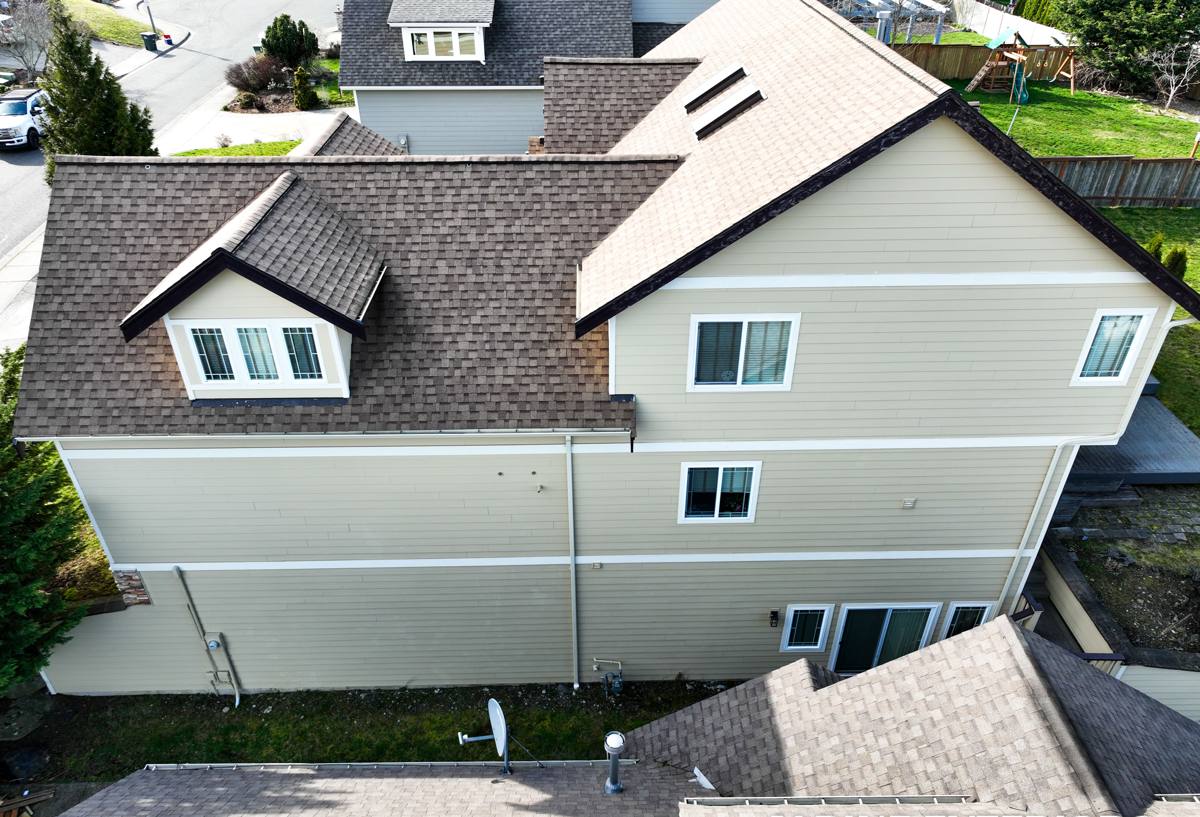
University Park has a mix of roofing types typical of established Sarasota-area communities, including concrete and clay tile roofs alongside architectural asphalt shingle. Each type fails in its own way, and correct repair depends on knowing the difference.
Tile Roof Damage
Cracked, slipped, or broken tiles are usually caused by wind uplift, foot traffic from other trades working on the roof, or age-related brittleness. The tile itself is often the least of the problem — most tile roof leaks actually originate in the underlayment beneath the tile, which can fail from age or UV exposure at the edges long before the visible tile shows obvious damage. Repairing a tile roof correctly means addressing the underlayment where it's compromised, not just replacing the tile on top of it.
Shingle Wind and Wear Damage
Lifted, cracked, or missing shingles after a wind event are the most visible sign of shingle roof damage, but granule loss and brittle, curling shingle edges from UV exposure are just as common and easier to overlook. Both types of damage compromise the roof's ability to shed water even before a visible leak develops.
Flashing and Penetration Leaks
Flashing around chimneys, vent stacks, skylights, and roof-to-wall transitions is one of the most common places a repair is actually needed, even when the surrounding roofing material looks fine. Sealant alone breaks down under constant UV and heat cycling, and a flashing detail that relies on sealant instead of proper mechanical installation is prone to repeat leaks in the same spot.
Valley and Skylight Leaks
Valleys concentrate a large volume of water runoff into a narrow channel, which makes any gap, undersized flashing, or debris buildup there a likely leak point. Skylights add a penetration with its own flashing kit and sealant joints that need periodic attention, especially once a roof passes the midpoint of its service life.
Signs Your University Park Roof Needs Repair Now
Some roof problems are obvious; others show up as a small clue long before they become a real leak. These are the signs worth acting on rather than watching and waiting:
- A stain on an interior ceiling or wall that appears or grows after wind-driven rain
- Missing, cracked, or visibly lifted shingles or tiles anywhere on the roof
- Granules collecting in gutters in noticeably larger amounts than normal light shedding
- Daylight visible through the roof deck from inside the attic
- Soft or discolored decking visible from the attic side
- Rust staining at fasteners, flashing, or metal vent stacks
- Sealant that's visibly cracked, shrunk, or pulled away at a flashing joint
- A roof that took a direct hit from a recent storm, even if no leak has shown up yet
Repair or Replace? How We Help You Decide
Not every roof problem calls for full replacement, and not every roof problem should be patched and left alone. We look at the whole roof's condition, not just the spot that's leaking, before recommending either path.
| Factor | Favors Repair | Favors Replacement |
|---|---|---|
| Age of roof | Well within expected service life for its material | At or past the manufacturer's rated service life |
| Extent of damage | Isolated to one area or a single cause (storm, penetration, flashing) | Spread across multiple sections or recurring in different spots |
| Underlayment condition | Sound in the areas not being repaired | Widely brittle, failed, or original to a much older roof |
| Decking condition | Solid, no rot or soft spots found | Soft, rotted, or water-damaged decking discovered during inspection |
| Repair history | First or infrequent repair need | Recurring leaks in different areas over recent years |
We'll give you a straight answer either way during the inspection, including when a repair is genuinely the right call and full replacement would be unnecessary spending.
What a Correct Roof Repair Actually Involves
A repair that only addresses the visible symptom tends to come back. A correct repair traces the problem to its source and fixes that, even when it takes more time than a quick patch.
Diagnosis Before Anything Else
Water travels before it shows up as a stain, so the spot on a ceiling isn't always directly under the actual leak point on the roof. We trace the path from the interior sign back to the roof-level cause, checking the attic, decking, and roofing material along the likely path rather than assuming the obvious location is the right one.
Matching Materials
Whenever possible, we repair with materials that match what's already on the roof in profile, color, and material type, so a repair doesn't stand out or create a visible patchwork. On older roofs where an exact match isn't available, we'll explain the closest reasonable option honestly rather than guessing and hoping it blends.
Flashing Done Right
Where flashing is the actual cause of a leak, we address the flashing itself rather than covering a failing flashing detail with more sealant. Sealant has a place as a finishing detail, not as the primary defense against water intrusion.
Code-Compliant Work
Roofing repairs in Sarasota County are subject to Florida Building Code requirements, and certain scopes of repair work require a permit. We handle what permitting is required for the scope of work rather than leaving that step to the homeowner.
Our Roof Repair Process
- Inspection and diagnosis. We examine the roof, attic, and affected interior areas to identify the actual cause of the problem, not just where it's showing up.
- Honest scope and estimate. We explain what we found, whether repair or replacement makes sense, and what the repair will involve before any work starts.
- Material matching. We source repair materials that match the existing roof as closely as possible.
- The repair itself. Damaged roofing material, underlayment, decking, or flashing is removed and replaced correctly rather than patched over.
- Flashing and sealant check. Every flashing point involved in or near the repair is checked and corrected as needed, not just the one that failed.
- Cleanup and final walk-through. We clear debris from the work area and walk through what was done and why before considering the job complete.
Cost Factors for a University Park Roof Repair
Repair costs vary a lot based on what's actually wrong, which is why we don't quote a number without seeing the roof. These are the main variables that move the price:
| Factor | Why It Matters |
|---|---|
| Cause and extent of damage | A single flashing repair costs far less than damage spread across multiple sections |
| Roof type | Tile repair generally takes more time and care than shingle repair due to handling and matching |
| Underlayment or decking damage | Repairs that reach beneath the surface material cost more than a surface-level fix |
| Roof access and pitch | Steep or hard-to-access roof sections add labor and safety setup time |
| Material availability | Matching older or discontinued tile or shingle profiles can affect sourcing time and cost |
Why Hire a Crew That Already Works University Park
A roofer who mostly works elsewhere in the county isn't wrong about roofing in general, but a crew that already works in University Park has repaired the specific mix of tile and shingle roofs common in this community and has seen which repair shortcuts hold up and which ones come back as a second service call. That matters most on tile roofs, where handling tile without causing new cracks and correctly resealing the underlayment beneath it takes practiced technique, not just general roofing experience.
It also matters for straightforward practical reasons — a local crew can typically respond faster after a storm, is familiar with the permitting process through Sarasota County, and has a reputation in the area worth protecting with honest, correctly done work rather than a quick patch that's convenient to sell but doesn't last.
Maintaining Your Roof Between Repairs
A correctly done repair still benefits from basic upkeep given how hard this climate works on a roof year-round:
- Keep gutters and valleys clear of debris so water isn't backing up under roof edges
- Have the roof looked at after any storm with sustained high winds, even without a visible leak
- Address small issues like a lifted shingle or a cracked tile before the next rain event, not after
- Schedule a periodic inspection of flashing points, especially as a roof approaches mid-life
- Trim back overhanging branches that can drop debris or scrape roofing material in wind
If your roof has a leak, storm damage, or you just want an honest read on its condition, we're glad to take a look. Reach out for a free, no-pressure estimate using the form below.