 Sarasota Window
 Why Window Replacement Works Differently in Osprey
Osprey sits along the coast between Sarasota and Venice, with a mix of homes tucked against Little Sarasota Bay, the Intracoastal Waterway, and inland streets a short drive from the water. That location is part of what makes the area desirable, and it's also exactly why windows here fail faster than the same product would fail fifty miles inland. Salt-laden air corrodes aluminum frames and hardware. Intense, near-constant UV breaks down seals, vinyl, and glazing compounds. Wind-driven rain finds any gap in flashing or sealant and pushes water into the wall cavity instead of running off the surface. And when a tropical system moves through, every window on the house becomes a structural component, not just a view.
None of that means Osprey homeowners need to overspend or over-engineer a window project. It means the product selection, the installation details, and the permitting have to match the exposure the house actually sees. A window that performs fine on a shaded inland lot in another state can be the wrong choice a few blocks from Sarasota Bay.
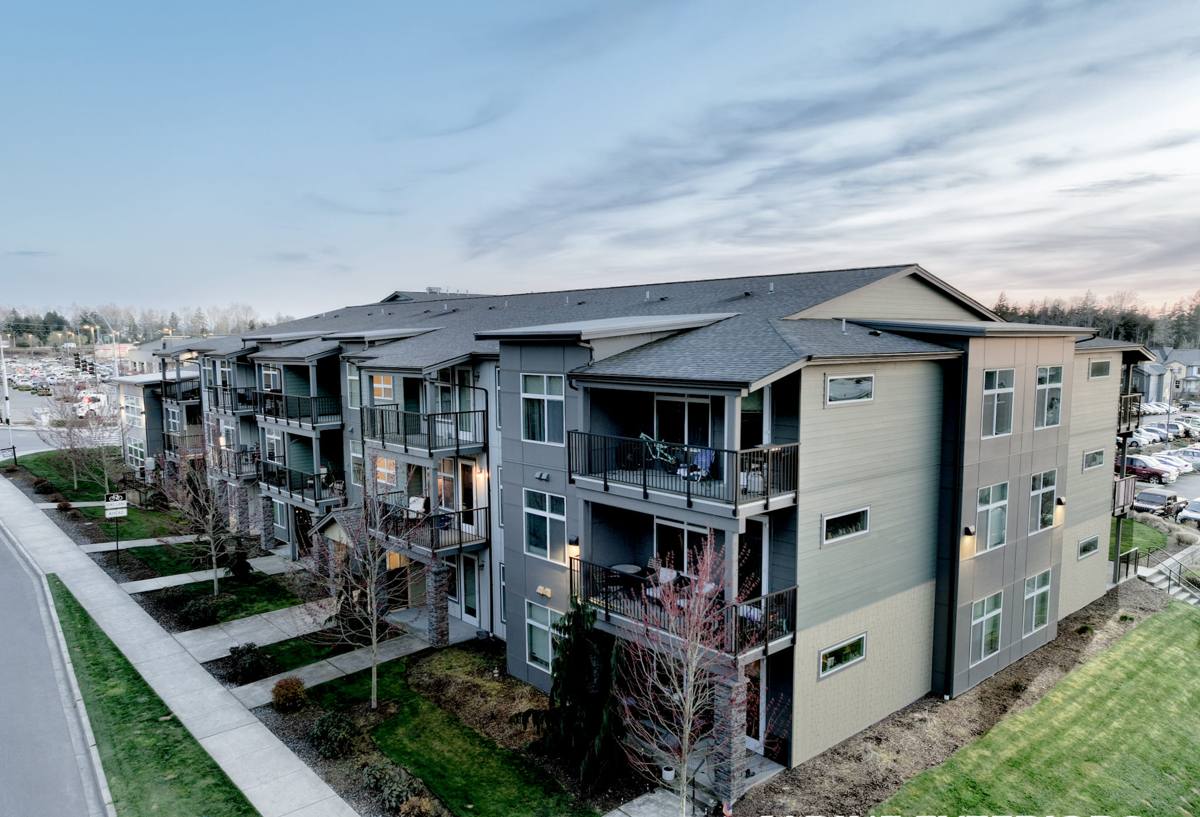
What Osprey's Housing Stock Means for Your Project
Older Homes and Waterfront Properties
A good share of Osprey's housing stock predates today's Florida Building Code wind standards. Many of these homes still have original single-pane aluminum windows, or a first-generation replacement installed before impact standards tightened. On canal-front and bay-adjacent lots, those older frames have usually taken the worst of the salt exposure — you'll often see white corrosion buildup on aluminum, pitted hardware, and glazing that's gone cloudy or delaminated at the edges.
Newer Construction
Homes built or substantially renovated more recently are more likely to already have impact-rated or code-compliant windows, but "recent" doesn't mean maintenance-free. Impact glass units still rely on seals, sealant joints, and flashing that age over time, especially under constant coastal sun. If a newer home has a window that's fogging between the panes or leaking at the frame, that's a failed seal or a flashing issue — not necessarily a sign the whole unit needs replacing, which is worth having a professional actually diagnose before you assume the worst.
Florida Building Code and What It Requires Here
Sarasota County falls within Florida's statewide wind-borne debris region, which means replacement windows generally have to meet one of two paths: impact-rated glass that resists debris impact on its own, or code-compliant protective devices (rated shutters or panels) paired with standard windows. Which path makes sense depends on your budget, how exposed your property is, and whether you want to deal with installing protection before every storm. Either way, the work requires a permit, and the finished installation has to pass inspection — this isn't optional paperwork, it's what confirms the window is actually attached and sealed the way the code assumes it will be.
We pull permits as a standard part of every replacement project in Osprey and the surrounding area. If a contractor suggests skipping the permit "to save time," that's a red flag, not a convenience — an uninspected installation can create real problems at resale and, more importantly, means nobody has verified the window will perform in a storm.
Choosing the Right Window for Your Exposure
There isn't one "correct" window for every Osprey property. A house directly on the water has different needs than one a mile inland. The table below lays out the honest trade-offs between the main options homeowners in this area weigh.
| Option | Storm Protection | Salt Air Durability | Ongoing Maintenance |
|---|---|---|---|
| Impact-rated vinyl windows | Built into the glass and frame — no separate action needed before a storm | Vinyl doesn't corrode; frame durability depends on the manufacturer's UV-stabilized formulation | Low — occasional cleaning, no moving shutter hardware to maintain |
| Impact-rated aluminum windows | Built into the glass and frame | Requires a marine-grade or coastal-rated finish; standard mill finish will pit faster near the water | Moderate — finish and hardware need periodic inspection |
| Standard (non-impact) windows + rated shutters | Effective, but only if shutters are deployed before the storm arrives | Depends on shutter material and hardware; hardware is a common failure point | Higher — shutter tracks, hinges, and fasteners need upkeep and someone has to install them |
Frame material is a values decision as much as a technical one. Vinyl has become the more common choice for coastal Gulf Coast homes because it removes corrosion from the list of things you have to think about. Aluminum still has a place, particularly where a homeowner wants narrower sightlines or is matching an existing architectural style, but it needs a coastal-grade finish to hold up here — we won't install standard mill-finish aluminum on a property with direct salt exposure, because we'd be setting the homeowner up for a maintenance headache within a few years.
What a Correct Installation Actually Involves
The window unit itself is maybe half the job. The other half — the part that determines whether it actually keeps water and wind out — is installation detail that's invisible once the trim is back on.
- Removing the old window and inspecting the rough opening for rot, corrosion, or prior water damage before anything new goes in
- Correcting any framing or substrate issues found during that inspection, not covering them up
- Installing flashing in the correct sequence so any water that does get past the window sheds outward, not into the wall
- Setting the window level, plumb, and square, then fastening it per the manufacturer's tested installation instructions and the wind load rating for your address
- Sealing with the correct sealant for the substrate and exposure — not just a bead of caulk around the outside trim
- Insulating and air-sealing the gap between the frame and the rough opening
- Reinstalling or replacing interior and exterior trim cleanly
- Scheduling and passing the required permit inspection
Skip the flashing sequence or use the wrong fastening schedule and the window can look fine for a year or two before a leak shows up inside the wall — by which point you're dealing with hidden damage, not just a window problem. This is the step where cutting corners costs the most later.
Our Process for Osprey Projects
We keep the process straightforward because homeowners deserve to know what's happening at each stage:
- On-site assessment. We look at your existing windows, the condition of the openings, your home's exposure, and what you're trying to solve — a leak, corrosion, energy loss, storm protection, or simply age.
- Product selection. We walk through frame material, glass options, and the impact-vs-shutter decision based on your specific property and budget, not a one-size answer.
- Written scope and permitting. You get a clear scope of work before anything starts, and we handle the permit application with Sarasota County.
- Installation. Removal, opening prep, flashing, setting, fastening, sealing, and trim — done to the manufacturer's specifications and the applicable wind rating.
- Inspection and walkthrough. We schedule the required inspection and walk the finished work with you before calling the job done.
Signs Your Osprey Home Needs Window Replacement Now
- Aluminum frames with visible white corrosion, pitting, or chalky buildup
- Fogging or moisture trapped between panes of double-pane glass — a sign the seal has failed
- Windows that are difficult to open, close, or lock, especially after humidity swings
- Visible daylight, drafts, or water intrusion around the frame during wind-driven rain
- Soft or discolored drywall, trim, or sill area near a window — a sign of past or ongoing leaks
- Single-pane or non-impact windows on a home you're planning to keep through hurricane seasons
- Noticeably higher cooling costs than comparable homes nearby, which can point to poor seals or outdated glass
Why a Crew That Already Works Osprey Matters
Window replacement in this area isn't just a product swap — it's a permitting process, a wind-load calculation specific to your address, and an installation that has to account for salt air and storm exposure most inland installers rarely deal with. A crew that regularly works in Osprey and the surrounding Sarasota County coastal communities already knows the county's permitting process, has a track record with local inspectors, and understands which frame finishes and glazing options actually hold up a few hundred yards from the bay versus a few miles inland. That familiarity shows up in fewer surprises — permit delays, failed inspections, or a product that looked fine on paper but wasn't right for a waterfront lot.
It also matters after the install. A local crew is the one you can actually call if a question comes up after the next storm season, not a name from an out-of-town sales pitch.
Get a Straight Answer for Your Home
Every Osprey property is a little different — distance from the water, sun exposure, age of the existing windows, and what you're trying to fix all change the right answer. If you'd like an honest look at your windows and a clear, no-pressure estimate, use the form below and we'll take it from there.