 Sarasota Window
 Why Energy-Efficient Windows Matter in Lakewood Ranch
Lakewood Ranch homes deal with a specific combination of stress that most window products were never designed for: long stretches of intense sun, heavy humidity, wind-driven rain during storm season, and the kind of hurricane-force wind events that show up on the Gulf Coast every year. A window that works fine in a milder climate can underperform here within a few years — fading fabrics and flooring, hot spots near the glass, condensation between panes, and cooling bills that creep up even though the AC is running constantly. Energy-efficient windows, installed correctly, address all of that at once. They're not just about the utility bill; they're about comfort in every room and protecting the house itself from sun and moisture damage over time.
This page is specifically about window replacement and upgrades for Lakewood Ranch. The right window for a home here isn't necessarily the same window that makes sense in a drier or cooler part of the country, and the installation details matter as much as the product you choose.
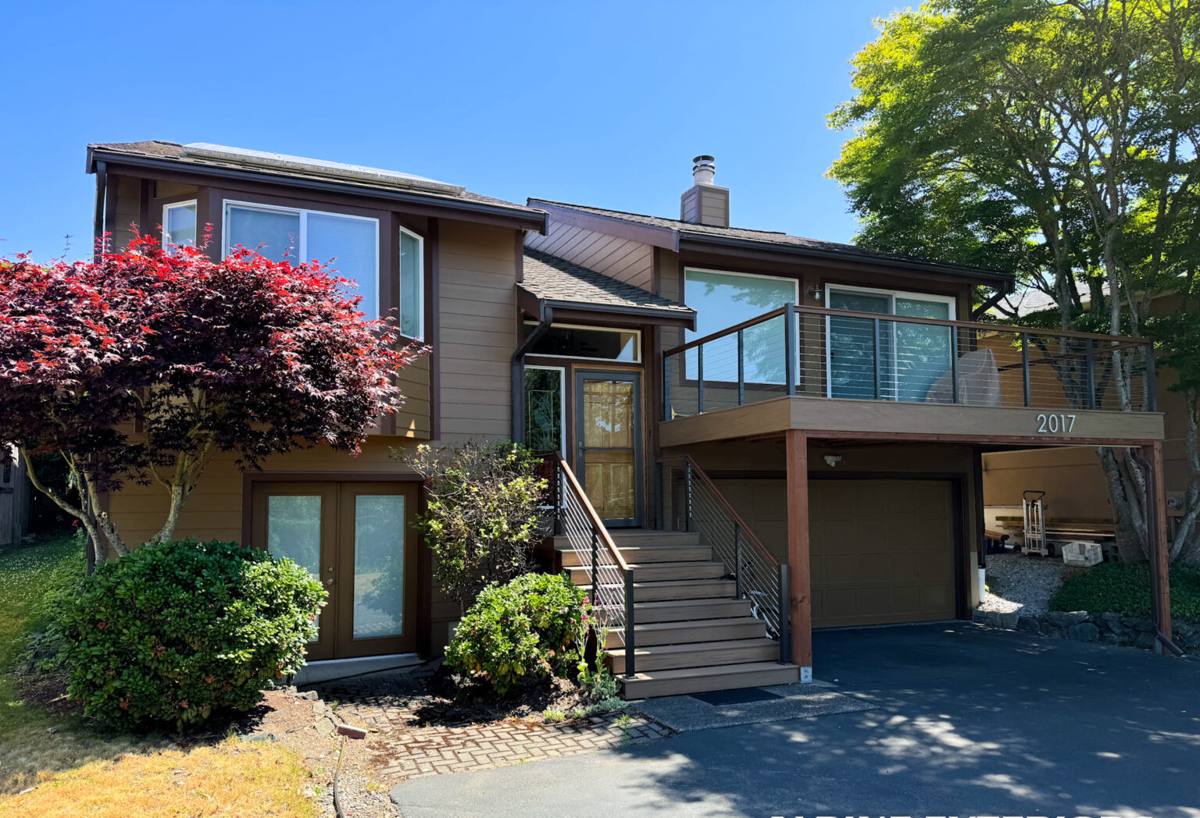
What Lakewood Ranch's Climate Actually Does to Windows
Heat and UV
Florida sun is relentless for most of the year. Ordinary clear glass lets a large share of solar heat straight through, which forces the AC to work harder and fades furniture, floors, and window treatments near the glass. Over time, UV exposure also breaks down inferior seals, vinyl, and weatherstripping faster than in milder climates.
Humidity and Condensation
High year-round humidity means any weak point in a window's seal shows up as fogging between panes, musty frame corners, or moisture finding its way into the wall cavity. A properly sealed, properly flashed window keeps that moisture out; a poorly installed one — even an expensive one — will eventually let it in.
Wind and Wind-Driven Rain
Sarasota County sits in a region where tropical storms and hurricanes are a real, recurring possibility, not a hypothetical. Wind-driven rain can push water through gaps that would never leak in a normal rainstorm, and sustained high winds put real pressure on glass and frames. Windows here need to be rated and installed to handle that, not just look good on a showroom floor.
Salt Air
Even well inland from the coast, salt-laden air moves through the region and accelerates corrosion on lower-quality hardware, fasteners, and metal components. Frame and hardware material choices that would be fine elsewhere can corrode or pit faster here.
What "Energy-Efficient" Actually Means for This Climate
Energy efficiency for a window isn't one number — it's a combination of ratings that matter differently depending on your climate. In Lakewood Ranch, keeping heat OUT is usually the priority, which shifts what to look for compared to a colder-climate home trying to keep heat IN.
- U-Factor: Measures how well the window resists heat transfer overall. Lower is better in any climate, but it matters most on window frames and glass edges here during peak summer heat.
- SHGC (Solar Heat Gain Coefficient): Measures how much solar heat passes through the glass. This is the number that matters most in Sarasota County — a lower SHGC keeps rooms cooler and takes real load off the AC.
- Low-E Coatings: Microscopically thin coatings that reflect infrared heat while still letting visible light through. A good Low-E package is one of the single biggest comfort upgrades available on a window.
- Impact Rating: Laminated glass and reinforced frames that resist wind-borne debris. In this region, impact-rated glass often does double duty — storm protection and a tighter, better-sealed unit day to day.
- Air Infiltration Rating: How much air leaks through the assembled unit under pressure. A tighter rating means less humid outside air sneaking in around the frame.
A window that's marketed as "energy efficient" without disclosing these specific numbers isn't giving you enough information to judge it. We go over these ratings on every estimate so you know exactly what you're buying, not just a brand name.
Signs Your Current Windows Are Underperforming
Homeowners in Lakewood Ranch often don't realize their windows are the problem until they compare notes on a few specific symptoms. Common signs include:
- Rooms near windows that feel noticeably hotter than the rest of the house in the afternoon
- Fading on flooring, furniture, or curtains near south- and west-facing glass
- Fogging or a permanent haze between panes on double-pane units — a sign the seal has failed
- Condensation on the inside of the glass during humid mornings
- Visible daylight or a draft you can feel around the frame on a windy day
- Difficulty opening, closing, or locking — often a sign the frame has warped or the hardware has corroded
- A noticeably higher cooling bill compared to similar homes nearby
Any one of these on its own isn't necessarily an emergency, but two or three together usually mean it's worth getting an honest assessment rather than waiting for a full failure.
Frame Material: What Actually Holds Up Here
Frame material affects durability, maintenance, and how the window performs in heat and humidity over the long run. Here's how the common options compare for a Sarasota County home specifically:
| Frame Material | Heat/UV Performance | Maintenance | Notes for This Climate |
|---|---|---|---|
| Vinyl | Good with quality UV-stabilized formulations | Low | Reliable value option; quality varies a lot between manufacturers, so specs matter more than the material label |
| Fiberglass | Excellent; very stable in heat | Low | Expands and contracts less than vinyl under extreme temperature swings, which helps seals last longer |
| Aluminum | Poor without a thermal break | Moderate (watch for corrosion near salt air) | Common in impact-rated commercial-style units; needs a thermal break to perform well energy-wise |
| Wood / Wood-Clad | Good with proper cladding and sealing | High | Beautiful but more vulnerable to humidity and rot if seals or cladding fail — needs diligent upkeep here |
We don't push one material as the universal answer. The right call depends on the home's architecture, budget, and how much upkeep the homeowner wants to take on — we'll tell you honestly which option fits your situation rather than steering you toward whatever has the highest margin.
What a Correct Installation Actually Involves
The window product only does half the job. Installation quality is what determines whether that product actually delivers its energy rating and stays watertight through storm season. A correct installation in this climate includes:
- Proper opening prep: Removing the old unit cleanly and inspecting the rough opening, sill, and surrounding framing for hidden rot or prior water damage before anything new goes in.
- Correct flashing and sealing sequence: Flashing tape and sealants applied in the right order so water is directed out and away from the wall cavity, not trapped behind the new window.
- Shimming and squaring: A window that isn't level and square won't seal or operate correctly no matter how good the glass is.
- Fastening to manufacturer and code spec: Correct fastener type, spacing, and embedment — especially important on impact-rated units, where the fastening schedule is part of what makes the rating valid.
- Insulating the gap: Filling the space between the frame and rough opening properly, without over-packing in a way that bows the frame.
- Interior and exterior trim-out: Finishing the job so it looks right and every seal is fully closed up, inside and out.
Skipping or rushing any one of these steps is the single most common reason a good window underperforms or leaks. It's also the part of the job a homeowner usually can't verify just by looking at the finished window from across the room.
Our Process
When we take on a Lakewood Ranch window project, the process is straightforward:
- On-site assessment: We look at your current windows, note orientation (sun exposure matters), check for existing damage, and talk through what's actually bothering you — heat, drafts, noise, appearance, or storm concerns.
- Honest product recommendation: We walk you through frame and glass options with real U-factor and SHGC numbers, matched to your budget and the specific exposure of each opening.
- Clear, itemized estimate: No vague bundled pricing — you see what you're paying for per window and why.
- Careful removal and prep: Old units come out cleanly, and we flag any hidden rot or framing issues before proceeding rather than covering them up.
- Installation to spec: Following manufacturer instructions and applicable code requirements for flashing, fastening, and sealing.
- Final walkthrough: We check operation, seals, and finish work with you before calling the job done.
Cost Factors to Expect
Every home is different, but the main variables that move the price on a Lakewood Ranch window project are consistent:
| Factor | Why It Affects Cost |
|---|---|
| Impact-rated vs. standard glass | Laminated impact glass costs more upfront but can reduce or eliminate the need for separate storm protection |
| Frame material | Fiberglass and higher-end vinyl typically cost more than builder-grade vinyl or standard aluminum |
| Window size and count | Larger openings and whole-house replacements naturally scale in both material and labor |
| Structural condition of openings | Hidden rot or prior water damage found during removal adds repair work before the new window can go in |
| Trim and finish complexity | Custom trim, unusual shapes, or matching existing architectural detail adds labor time |
We'll never give you a number over the phone with confidence — an accurate estimate requires seeing the actual openings, which is exactly what the free estimate is for.
Before You Get Quotes: A Homeowner's Checklist
- Ask for the specific U-factor and SHGC rating of the proposed glass package, not just "energy efficient" on a brochure
- Ask whether the quoted windows meet the wind and impact requirements for your specific area — don't assume every product line qualifies
- Get the fastening and flashing method described in writing, not just verbally
- Confirm whether permitting is included and who is pulling it
- Ask what happens if hidden rot or damage is found once the old window comes out
- Compare warranty coverage on both the product and the labor separately — they're often different
- Get an itemized estimate, not a single bundled number for the whole house
Permitting and Code Considerations
Window replacement in Sarasota County generally requires a permit, and the requirements depend on your property's wind zone and whether the glass needs to meet impact or protected-opening standards. This isn't a formality to skip — it protects you if there's ever an insurance claim or a future sale where the buyer's inspector checks for permitted work. As part of our process, we handle the permitting conversation up front so there are no surprises mid-project.
Why Local Experience in Lakewood Ranch Matters
A crew that regularly works in and around Sarasota County already knows the wind zone requirements, the humidity behavior of different frame materials, and the kind of prep an older Florida home's window openings typically need. That experience shows up in small decisions — how a sill is flashed, how much clearance is left for expansion, which sealant actually holds up to this much UV — that don't show up on a spec sheet but absolutely show up five years later. We'd rather get those details right the first time than come back to fix a leak during the next storm season.
If your Lakewood Ranch home has windows that feel hot, drafty, foggy, or original to a much older build, we're happy to take a look. The estimate is free, there's no pressure, and you'll get straight answers about what your home actually needs — fill out the form below to get started.