 Sarasota Window
 Window Installation Built for a Barrier Island, Not a Subdivision
Longboat Key sits out on a narrow strip of sand between the Gulf of Mexico and Sarasota Bay, and that location changes what a window installation actually needs to hold up to. A window that performs fine a few miles inland in Sarasota can fail years earlier out here, simply because the exposure is more constant and more aggressive. Salt-laden air, direct Gulf sun, wind-driven rain, and the real possibility of hurricane-force wind loads are part of daily life for a barrier island home, not an occasional event.
This page focuses on one job, done right, in one place: professional window installation for Longboat Key homes and condos. We're not going to walk through every window style we offer — that's covered on our main windows page. Here we're talking about what it actually takes to install windows correctly on an island property, and why the installation matters as much as the window itself.
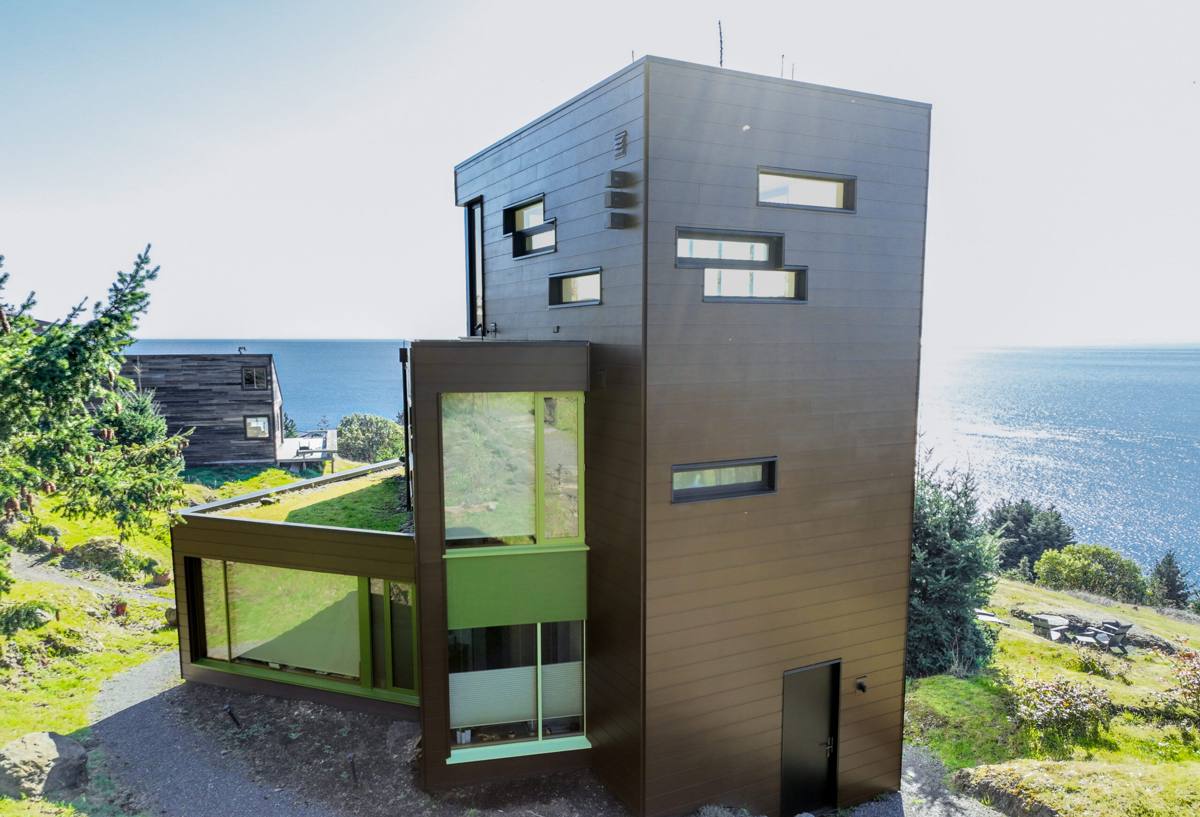
What the Longboat Key Climate Does to a Window Over Time
Salt Air and Corrosion
Airborne salt settles on everything near the Gulf and the bay, including window frames, hardware, and fasteners. Over time it accelerates corrosion on lower-grade metal components, pits aluminum that isn't properly coated, and can work into seals and tracks. This is a bigger factor on Longboat Key than almost anywhere else in Sarasota County, simply because there's no buffer between the property and open salt water.
Constant UV Exposure
Florida sun is intense year-round, and a Gulf-front or bay-front property gets more direct, uninterrupted exposure than a shaded inland lot. UV breaks down vinyl, degrades rubber gasket seals, and fades or embrittles low-quality frame materials faster than most homeowners expect. A window rated for general Florida use should hold up, but cheap components or poor-quality seals show their age quickly out here.
Wind-Driven Rain and Storm Wind Loads
Longboat Key homes face real wind loads during tropical storms and hurricanes, and even routine storms push horizontal, wind-driven rain against the building envelope in a way inland homes rarely experience. A window that's correctly rated but poorly installed — bad flashing, gaps in the sealant, wrong fastener pattern — is often where water intrusion actually starts. The window product and the installation both have to be right; one without the other still leaves you exposed.
Wind-Rated Glazing and What It Means for Your Project
Sarasota County, including Longboat Key, falls within Florida's wind-borne debris region under the Florida Building Code. In practical terms, that means new and replacement windows on the island typically need to either be impact-rated (able to resist debris impact and meet the required wind pressure without failing) or be paired with code-compliant protection like approved shutters. Exact requirements depend on your property's specific wind zone, elevation, and the scope of the project, which your local building department determines at permitting — we're not going to guess at your specific requirements here, but we'll pull the correct information for your address before we ever write a proposal.
| Approach | What It Involves | Trade-Offs |
|---|---|---|
| Impact-rated windows | Laminated glass and reinforced frames that meet wind-borne debris code without added devices | Higher upfront cost; no separate storm prep needed; often improves noise and UV control too |
| Standard glass + approved shutters | Lower-cost window paired with code-compliant shutters or panels | Requires storm prep every time a storm approaches; shutters need maintenance and storage |
| Mixed approach | Impact glass on exposed or hard-to-access openings, shutters elsewhere | Balances cost, but still requires understanding which openings actually need which protection |
We install both approaches. What matters is that whichever direction you choose, it's documented, permitted, and installed to the manufacturer's specification — not just "close enough."
What a Correct Window Installation Actually Involves
The window itself is often the easy part. The installation is where most long-term failures start, and it's also where quality is hardest for a homeowner to check after the fact — most of it gets covered by trim and siding. A correct install on a coastal property includes:
- Removing the old window and fully inspecting the rough opening for rot, water damage, or structural issues before anything new goes in
- Repairing or replacing damaged framing rather than installing over it
- Installing flashing in the correct order (sill pan first, then side flashing, then head flashing) so water sheds outward at every layer
- Using sealants and fasteners rated for coastal, corrosive environments — not the standard-grade hardware that's fine for an inland home
- Setting the window level, plumb, and square, with shims placed correctly so the frame isn't under stress
- Fastening according to the manufacturer's schedule for the specific wind rating being installed — spacing and fastener type matter for the window to perform at its rated pressure
- Sealing the interior and exterior properly, including backer rod and sealant at the right depth, not just a bead of caulk over a gap
- Testing operation and confirming a clean, weather-tight seal before calling the job finished
Skip or rush any one of these steps and you can end up with a correctly rated window that still leaks, still lets in drafts, or still fails during a storm — because the product was never the weak point to begin with.
Our Process for a Longboat Key Installation
1. On-Site Assessment
We look at each opening individually — condition of the existing framing, current window type, sun and wind exposure on that side of the house, and any access considerations specific to island properties, including condo or HOA logistics where applicable.
2. Product and Code Review
We confirm the wind rating and code requirements that apply to your specific address and scope of work, and walk you through the honest cost-versus-performance trade-offs for your situation before recommending a product.
3. Permitting
Window replacement on Longboat Key generally requires a permit, and we handle that process as part of the job rather than leaving it to the homeowner. Permitting protects you — it's the record that the work meets code, which matters for insurance and for resale.
4. Installation
Old windows come out, openings get inspected and repaired as needed, and new windows go in following manufacturer specifications for flashing, fastening, and sealing — every opening, every time, not just the ones that are easy to reach.
5. Final Walkthrough and Inspection
We check operation, seals, and finish work with you before the job is considered done, and we coordinate any required final inspection with the local building department.
Frame Material Considerations for a Gulf-Front or Bay-Front Home
Frame material affects how well a window handles salt air and sun over the long run. There's no single "best" answer for every property — it depends on your budget, your exposure, and how the window will be maintained.
| Frame Material | Coastal Performance | Maintenance |
|---|---|---|
| Vinyl | Won't corrode; UV-stabilized formulations hold up well, lower-grade vinyl can discolor or warp under constant sun | Low — occasional cleaning |
| Aluminum | Strong and often used in impact-rated systems; needs quality coatings to resist salt corrosion over time | Moderate — check coatings and hardware periodically |
| Fiberglass | Very stable in heat and sun, strong resistance to corrosion | Low — durable finish, minimal upkeep |
| Wood-clad | Interior wood look with an exterior cladding; the cladding and seals need to be well-maintained in salt air | Higher — more attention needed near the coast |
We'll talk through which material fits your home's exposure and your maintenance expectations honestly — including where a lower-maintenance option might save you headaches down the road even if it costs a bit more upfront.
Mistakes We See on Island Properties
A lot of the water intrusion and premature window failures we get called out to fix on Longboat Key trace back to a handful of recurring issues: openings that were caulked over instead of properly flashed, fastener schedules that didn't match the window's actual wind rating, sealant that was never rated for sun and salt exposure, and installations that looked fine for the first year or two before the shortcuts caught up with the house. None of these show up on a spec sheet — they show up years later as water stains, soft framing, or a window that won't hold pressure in a storm.
Why Hiring a Crew That Already Works Longboat Key Matters
Barrier island work isn't the same as a standard subdivision job. Access can be tighter, HOA and condo association requirements vary property to property, and the building department's expectations for coastal wind-borne debris compliance are specific. A crew that already does this work regularly on Longboat Key isn't learning those details on your project — they already know what the local permitting process expects, what installation details actually hold up against Gulf exposure, and how to plan the job around island logistics without surprises mid-project.
That local familiarity is also what keeps a project on schedule. Fewer permit corrections, fewer surprises about access or scope, and a clearer sense of what your specific property actually needs going in.
Get a Straightforward Estimate
If you're planning a window replacement or new installation on Longboat Key, we're happy to take a look, walk you through what your property specifically needs given its wind zone and exposure, and give you a clear, no-pressure estimate. Fill out the form below to get started.